


Reported from Sonitpur, Assam, in November 2016; production figures are as they were at the time.
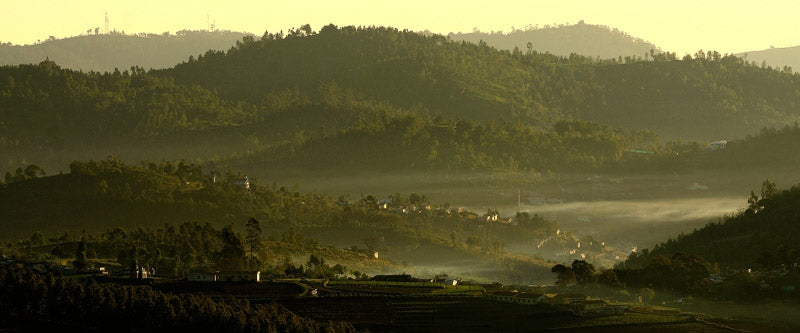
The thing about tea estates for the untrained eye is that after a few miles of them, the landscape begins to look monotonous. Of course, estate owners, managers and the tea pluckers will be affronted at such a comment, for no two estates can be thought to be similar, seeing how different their stories are. Within an estate – as you will definitely be informed – there are always distinctions between patches of tea bushes.


The various stages of a tea leaf as it goes through processes like withering, rolling, and fermenting. Majulighur Tea Estate specializes in both CTC and orthodox tea. Their factory is one of the largest of the company’s six plantations and has its own boiler house to make taint-free tea.

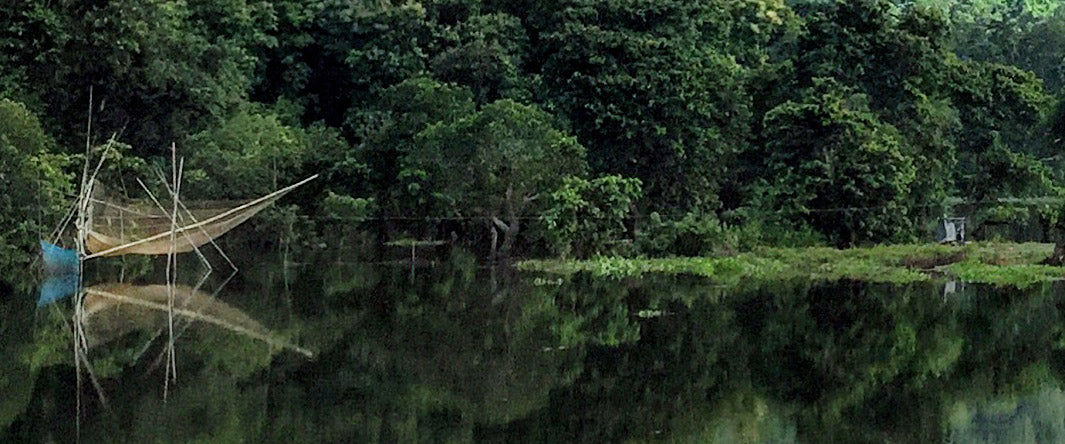
I was at Sonitpur visiting the Majulighur TE on the north bank of the Brahmaputra. At first glance, it seemed like yet another tea estate. Until on an afternoon walk I came upon a large patch of land where not tea but wild plants and grass grew. I walked toward it. “There’s water below,” warned Khyati Shah, granddaughter of the owner MK Shah. Majuli-ghur or Maju’s home was named for the queen Maju Rani, one of the wives of a 17th-century Ahom king Pratap Singh. Apparently, Maju Rani lived right here, where the estate stands today, and the patch of land we were standing before was her bathing tank.
It’s stories like this that make every estate interesting. Dotted with relics of either history or breathtaking views, with tea as the counterpoint.


The next morning, we head for Gingia, 45 minutes away and also owned by Khyati’s family. Mud paths and bumpy roads take us to a large estate.

Gingia too lies on the bank of the Brahmaputra. Its name, I find, is not as surely known as Majulighur. There’s a story about two rivers that joined together to become the Solmari. But I hit a dead end there. Instead, I find myself listening to the extent of tea production. 453 hectares, a million kg of orthodox tea… sometimes, the tea is the story.

From our readers
Comments left on the original Still Steeping post.
Avishek · November 21, 2016
Very well written article, perfectly capturing the ethos of a tea estates 🙂
Originally published on Still Steeping, the Teabox blog, on November 15, 2016. Lightly edited for clarity in October 2026. Taste the region in this story with our single-estate Assam teas.

Leave a comment
All comments are moderated before being published.
This site is protected by hCaptcha and the hCaptcha Privacy Policy and Terms of Service apply.