


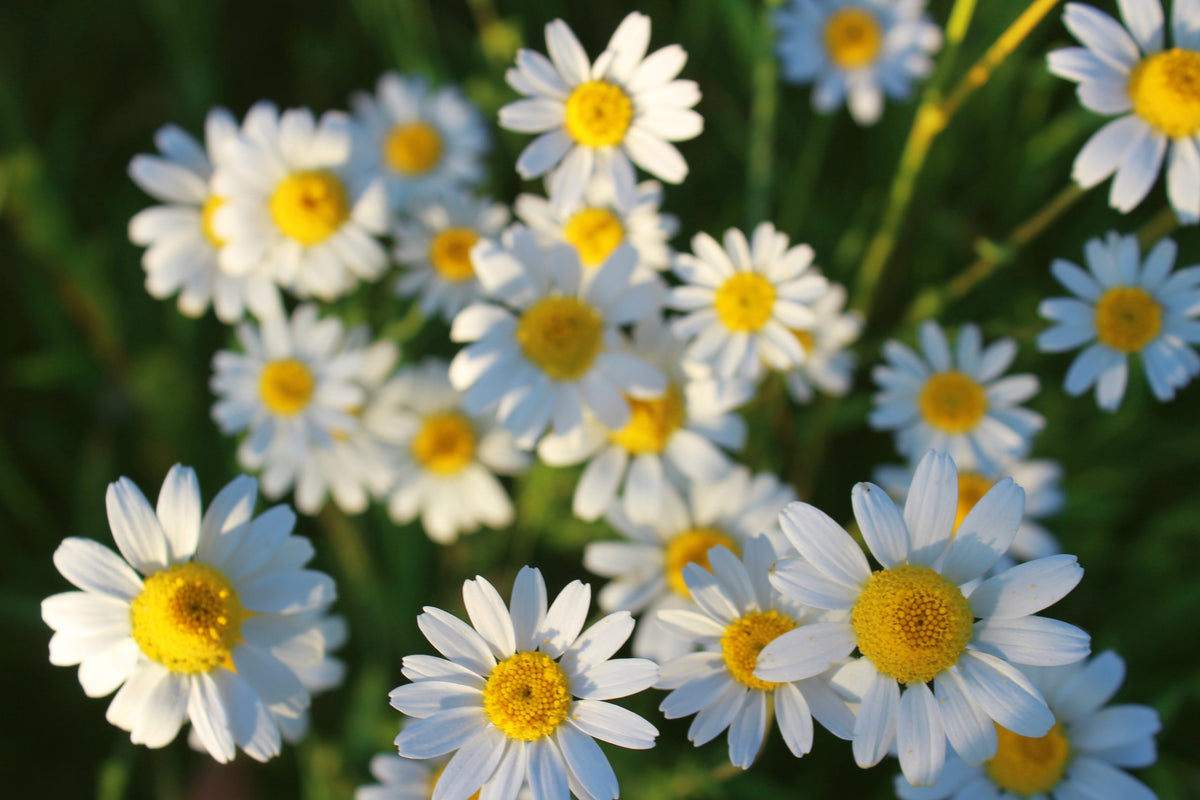
From ancient Egypt to today’s bedtime ritual, a look at why caffeine-free chamomile tea remains one of the most loved flower infusions.
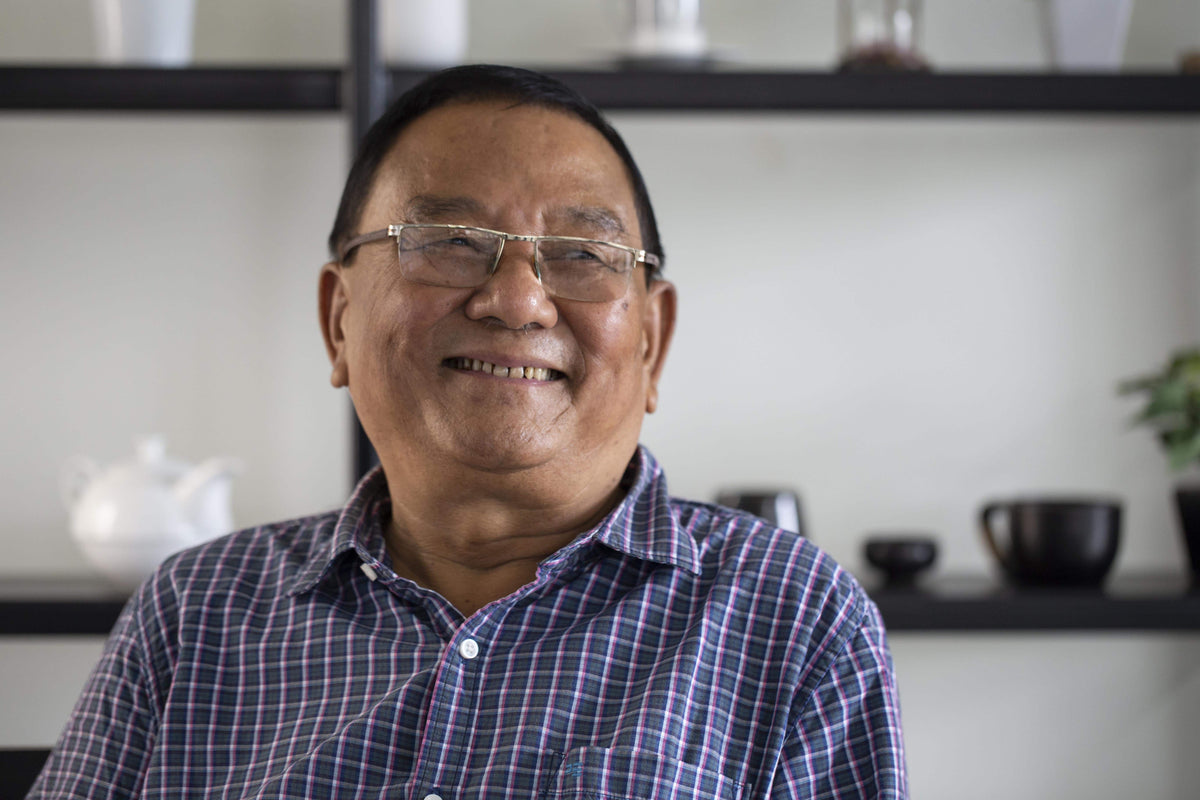
From the first Silver Tips at Thurbo to record auction prices at Castleton: how Arun Kumar Gomden came to name Darjeeling muscatel.
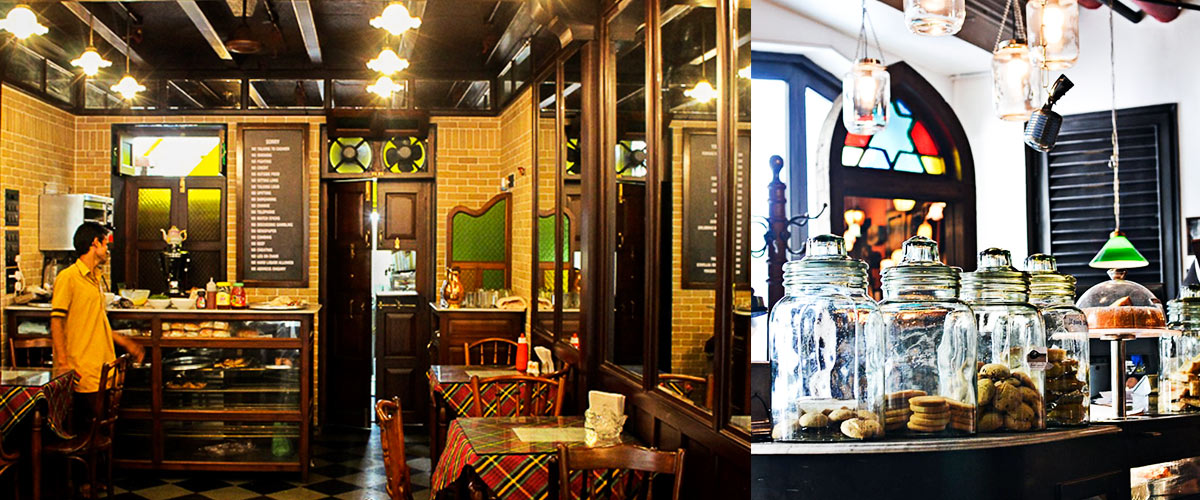
Bun-maska-chai, only in a Bombay Irani
Marble tables, bentwood chairs and treacle-colored chai: a nostalgic visit to Bombay’s Irani cafes, famed for bun maska chai and fast disappearing.
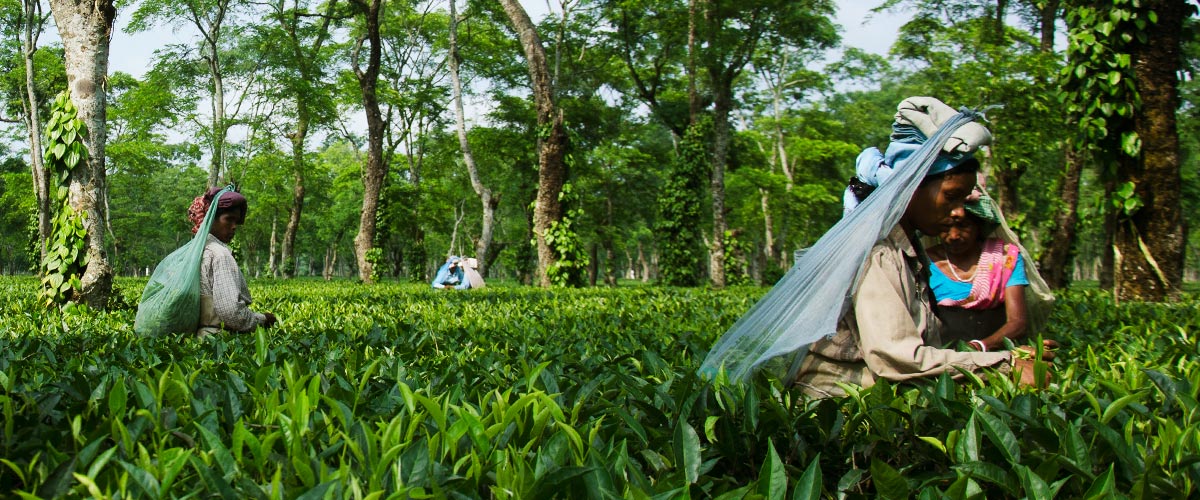
Of tea, wildlife and stories of yore from Assam
Our summer flush trip to Assam began at Dikom, an estate with wartime history, leopards next door and tippy, malty teas from its own clones.
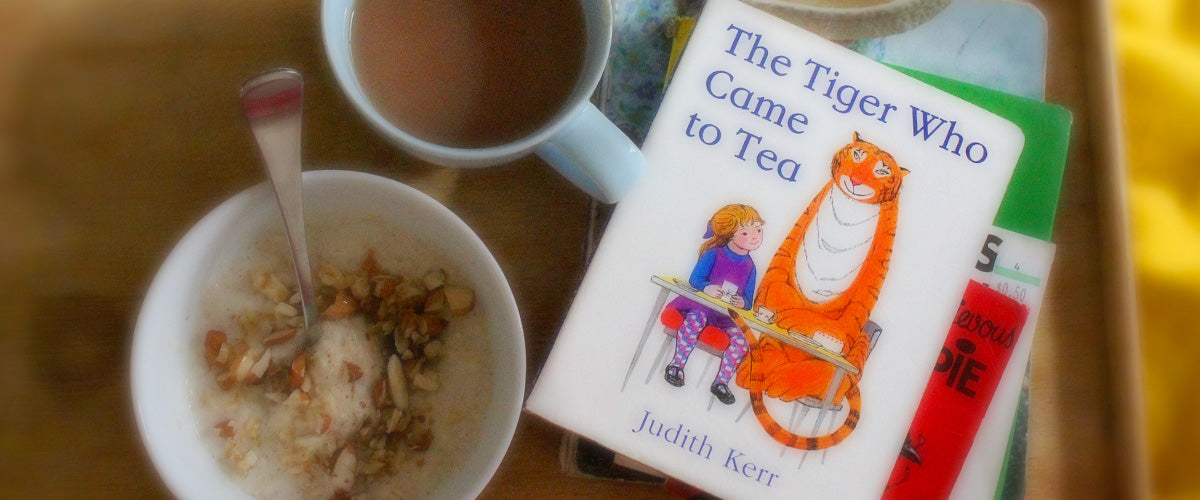
From Judith Kerr’s The Tiger Who Came to Tea to tiger hunts in the Dooars, art historian Romita Ray traces the unlikely bond between tigers and tea.

World Tea Awards: Teabox among top industry innovators
Teabox made the finalists’ list for Best Innovator in the Industry at the World Tea Awards, and explains why India’s tea industry needed innovation.
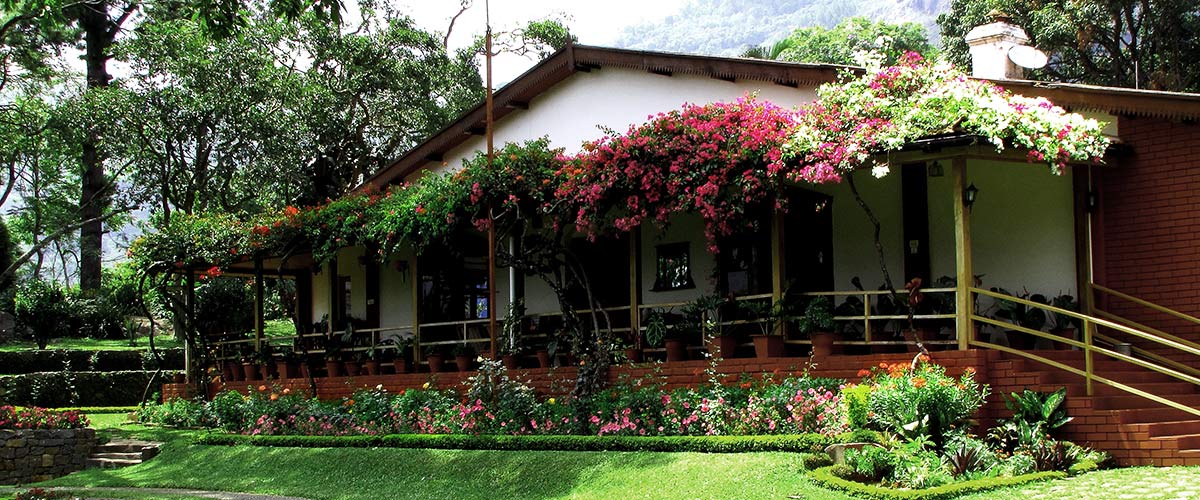
A House for Chinna Dorai – Estate Bungalows in the Nilgiris
From log cabins to gracious hilltop homes: the story of the Nilgiris tea estate bungalow, its Kerala-built roofs and the planters’ wives who made it home.
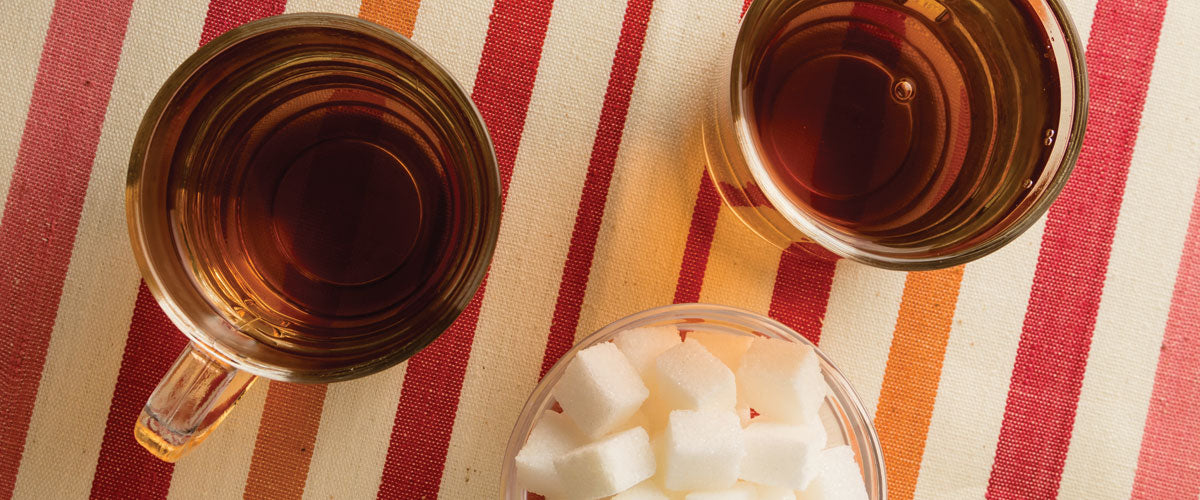
Would you like some sugar in your tea? Or a little tea in your sugar?
Packaged chais and bottled teas can hold ten spoonfuls of sugar a cup. Peter Keen traces Britain’s sugar habit and makes the case for reading the label.
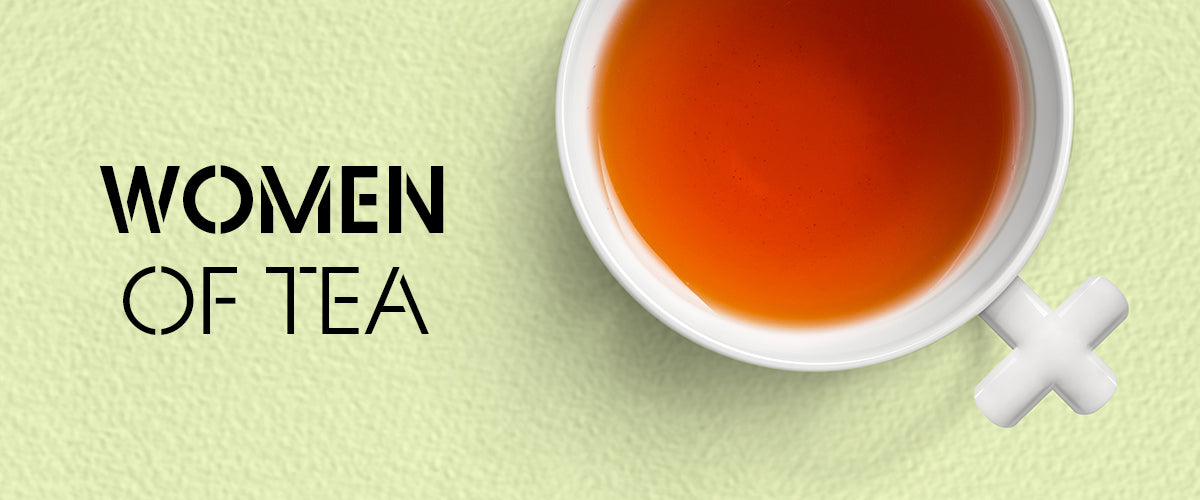
Meet three women who changed tea: the Portuguese princess who made it fashionable in England, the duchess behind afternoon tea, and the woman who opened chado to girls.
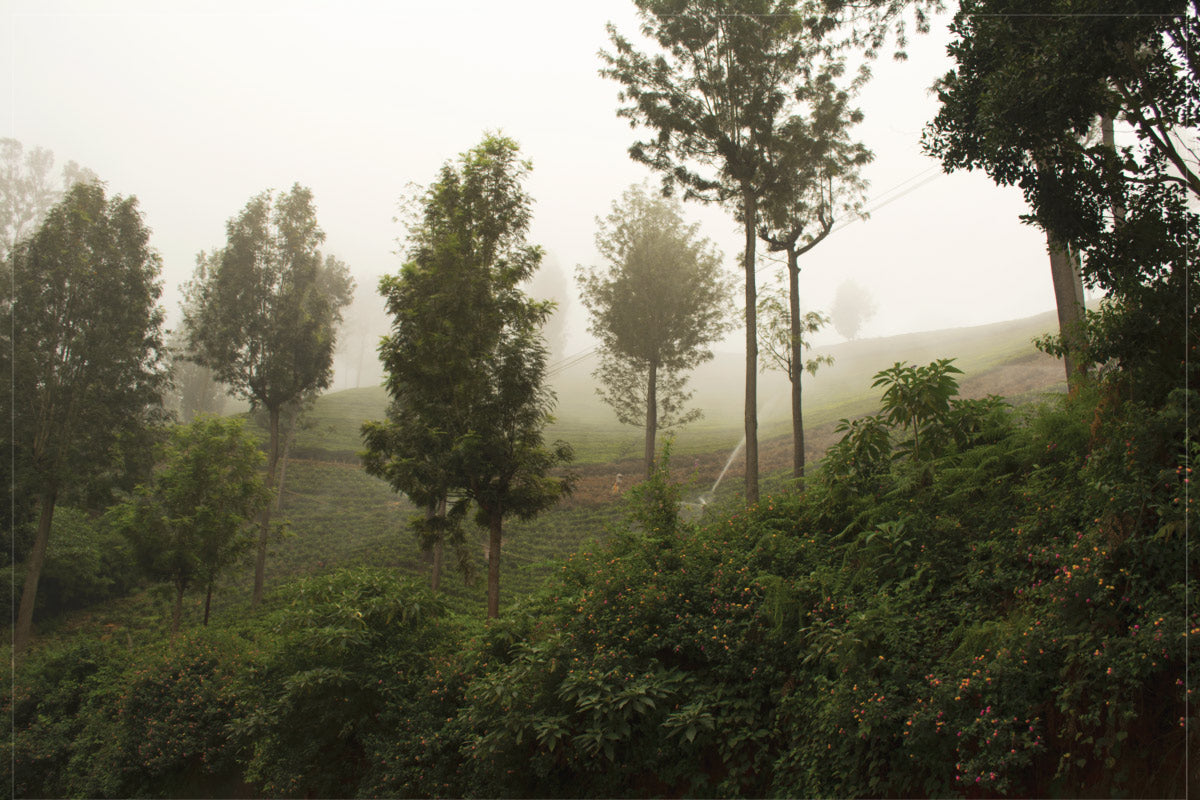
When King Coffee Bowed Out to Tea
A Nilgiris ghost story leads into the history of how blight, pests, falling prices and a gold rush made the hills switch from coffee to tea.
Remembering the days of manual tea auction
A Siliguri tea buyer looks back on the noise, rivalry and friendships of the manual tea auction, which went online in 2011.

When Samurai Went to War And Drank Green Tea
Japan’s most feared warriors were also its great tea masters. How the samurai and Hideyoshi’s court shaped the tea ceremony, and the matcha at its heart.
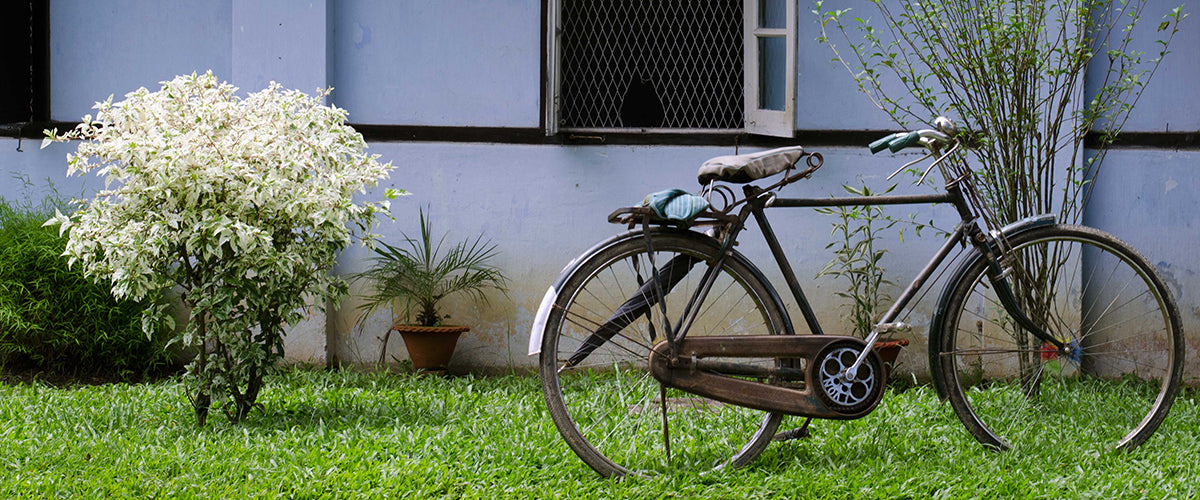
A tour of the Tocklai Tea Research Institute
A visit to Jorhat’s Tocklai Tea Research Institute, which advises over 1,000 tea estates, from its tasting room and labs to the mother plant of the first clone.
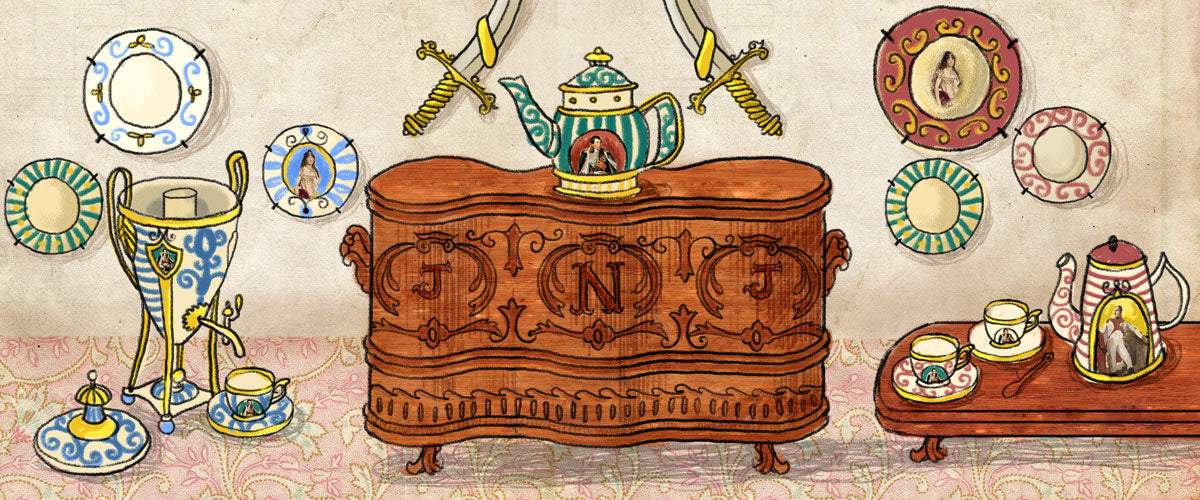
Napoleon: Looking for battle, empire, love – and tea
Napoleon loved tea and all its accoutrements as much as he loved Josephine, and his lavish porcelain tea sets remain one of his enduring legacies.
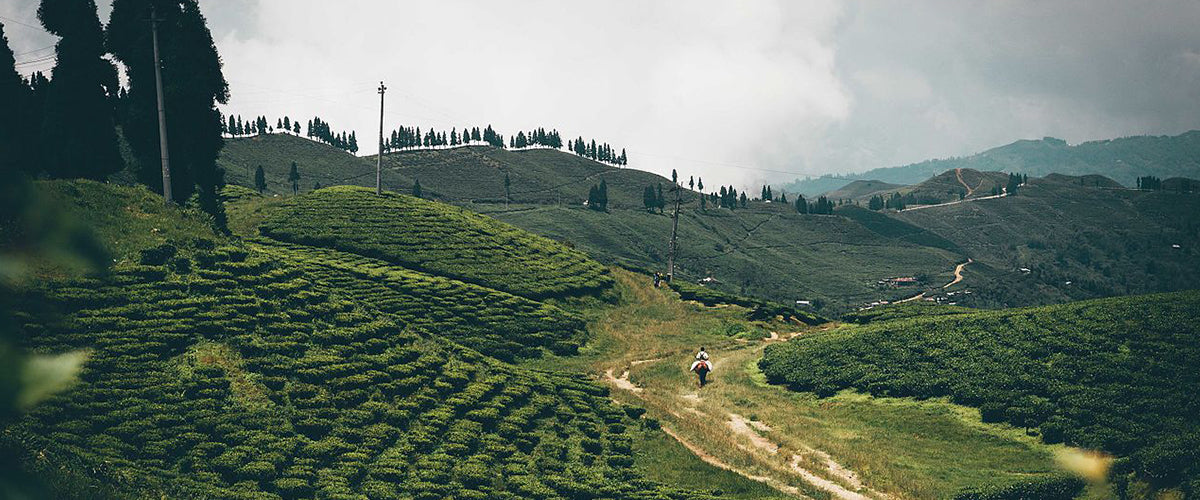
Nepal: Innovation in the high Himalayas
Nepal’s smallholder tea industry offers some of the best bargains in tea, from organic Guranse to Ilam, Kanyam and Antu Valley.
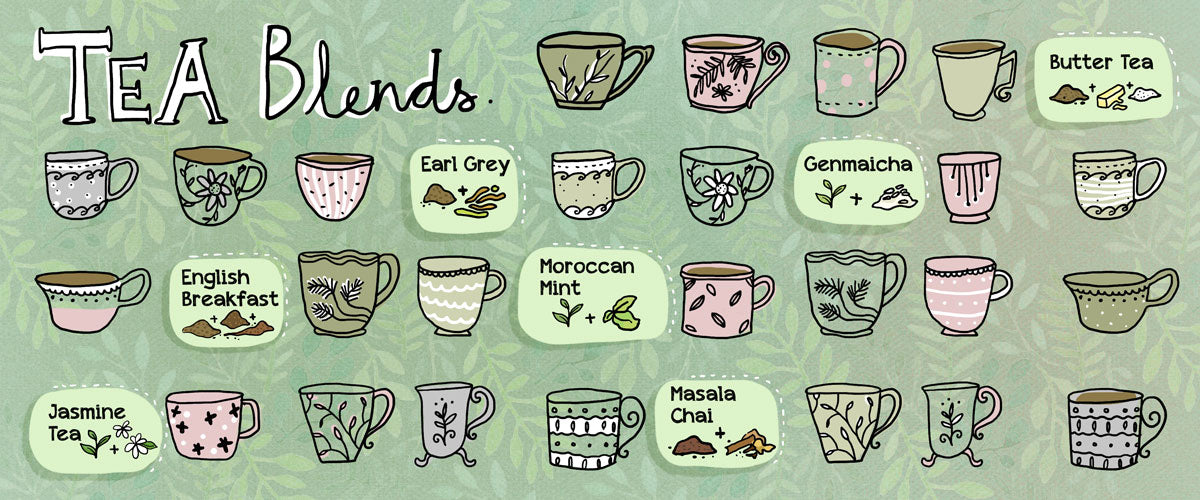
Purists beware: from ancient Chinese remedies to the tea blenders of Europe and Japan, tea has always been blended.
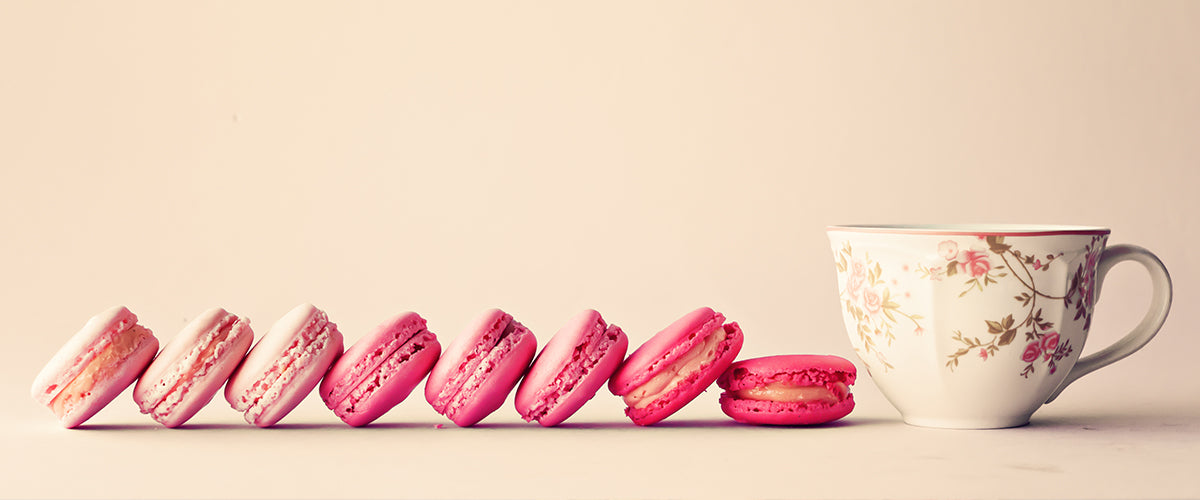
Tea in France: Not What You Might Expect
A Brit admits the best tea shops are French, then traces France’s early love of tea and what its designer blends teach us about finding good flavored tea.

For a century Europe sipped tea from handleless bowls. Then an alchemist’s lucky accident with kaolin gave us hard-paste porcelain and the teacup handle.
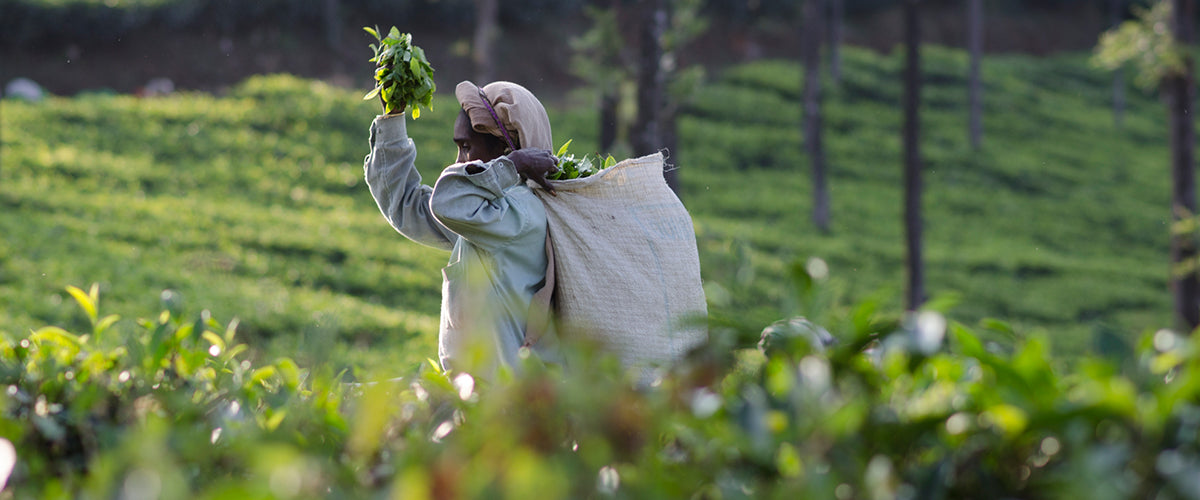
The Changing Face of Tea Gardens in the Nilgiris
Workers from eastern India now fill the lines on Nilgiri tea estates, as the educated children of Tamil estate workers move on to professions in the cities.
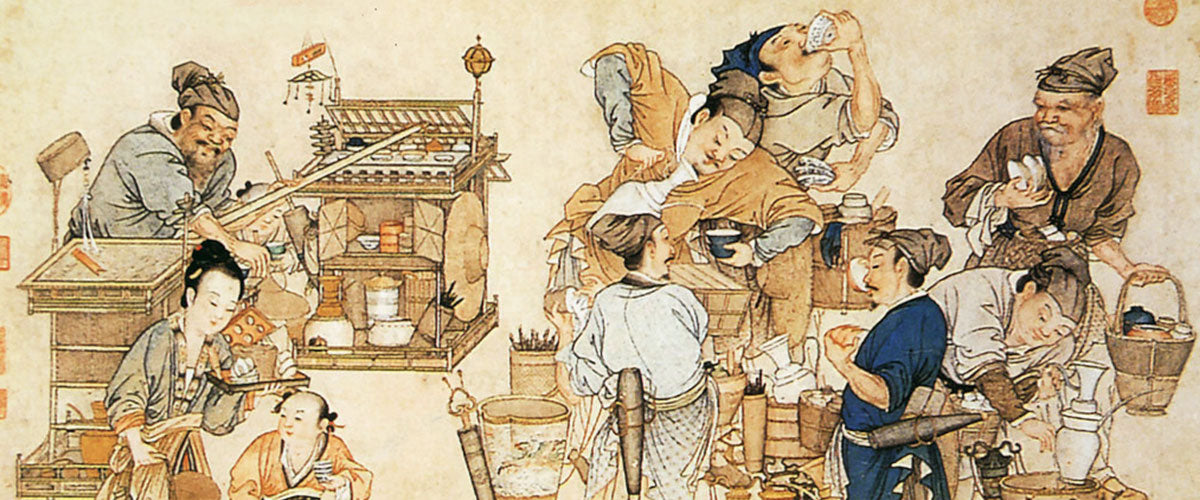
From Song Dynasty tea fighting in Fujian to today’s international brewing championships, a look at tea’s long history as a competitive sport.
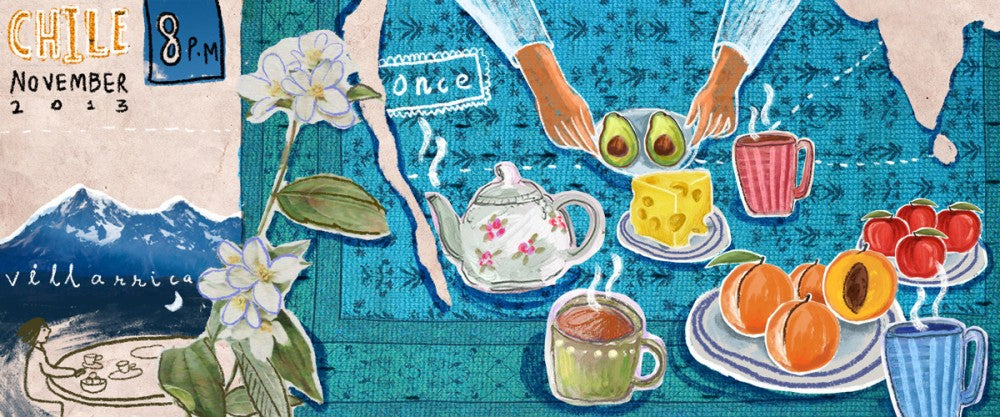
Aditi De joins a young couple for once, Chile’s evening tea meal, and explores why Chileans love tea, with Pablo Neruda’s ode to a box of tea.
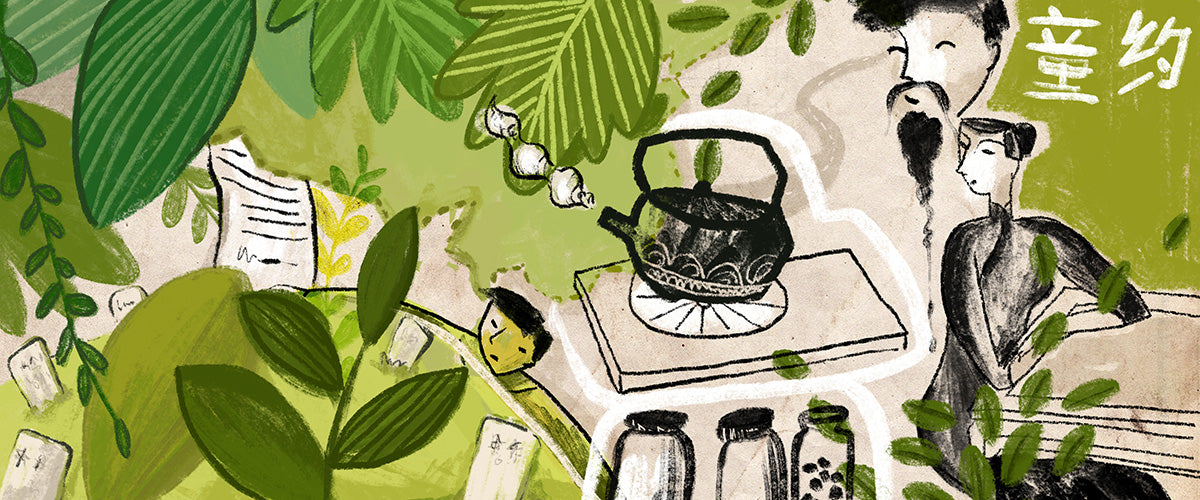
Where can we find the earliest reference to tea?
A stubborn servant, a mischievous poet and a contract from 59 BC: the story behind the earliest known written reference to tea.
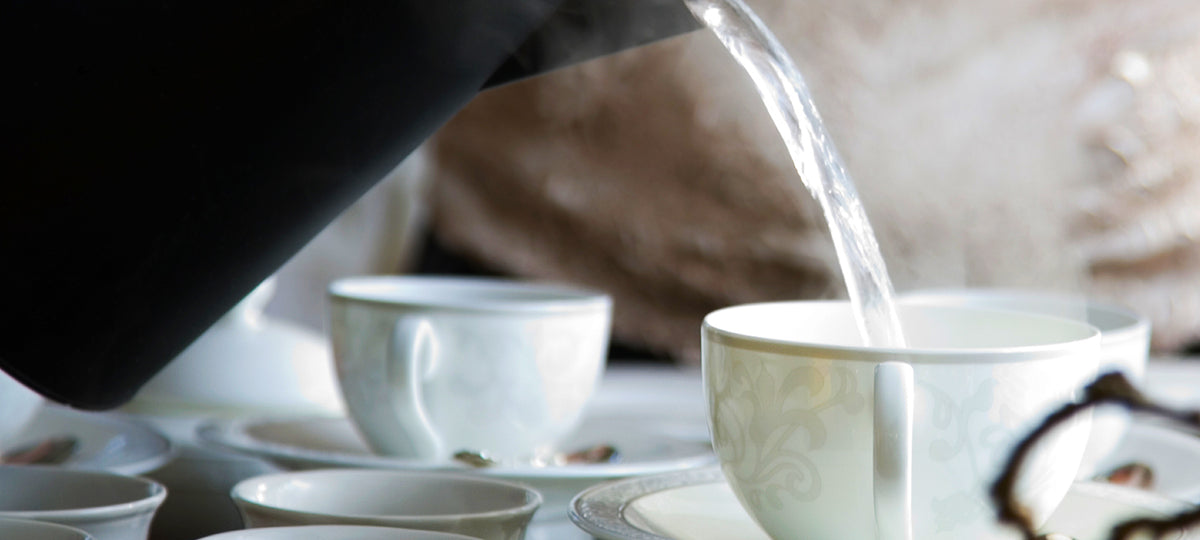
Does the water you use really change the taste of tea? From Lu Yu’s mountain streams to filtered tap and bottled water, here is what to brew with.
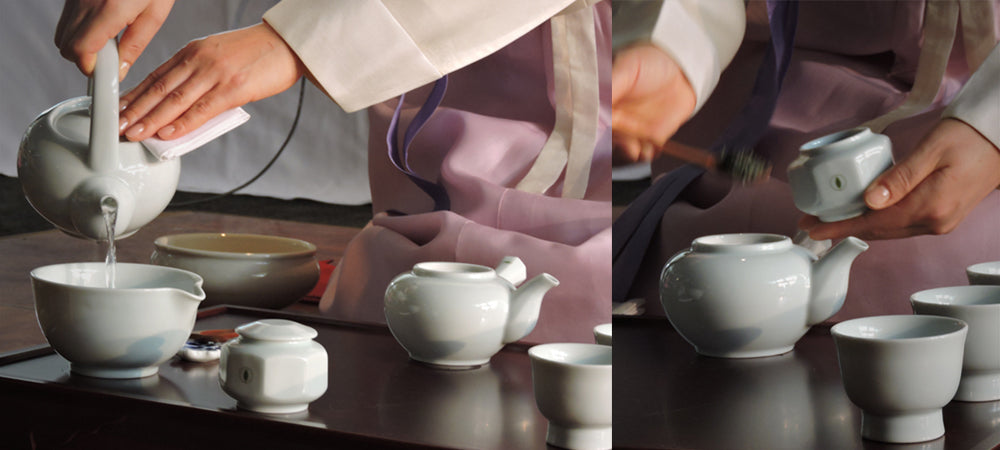
Darye, the Korean tea ceremony
How Darye, the Korean tea ceremony, was revived in the 1970s, the simple teaware it uses, and the step-by-step ritual of brewing and sipping green tea.
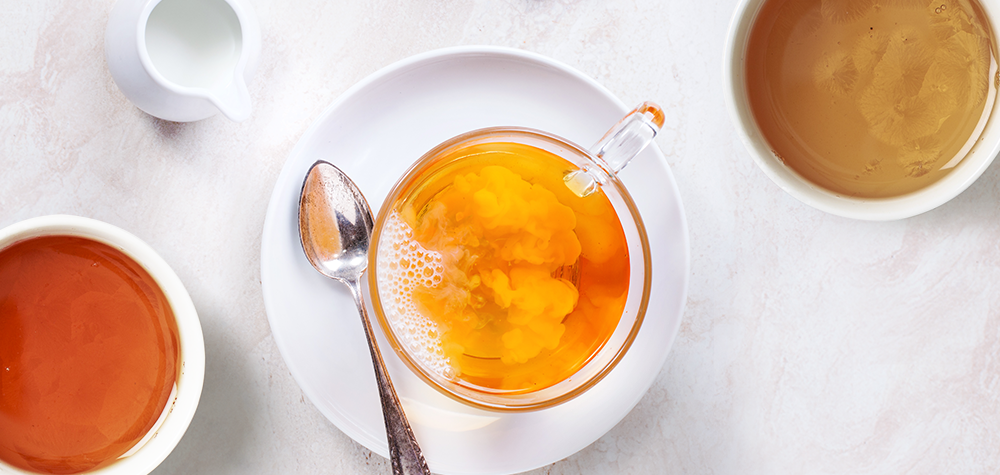
Ian Bersten traces why some cultures drink tea with milk and others without, from Mongolia and Victorian London dairies to the milk-first debate.
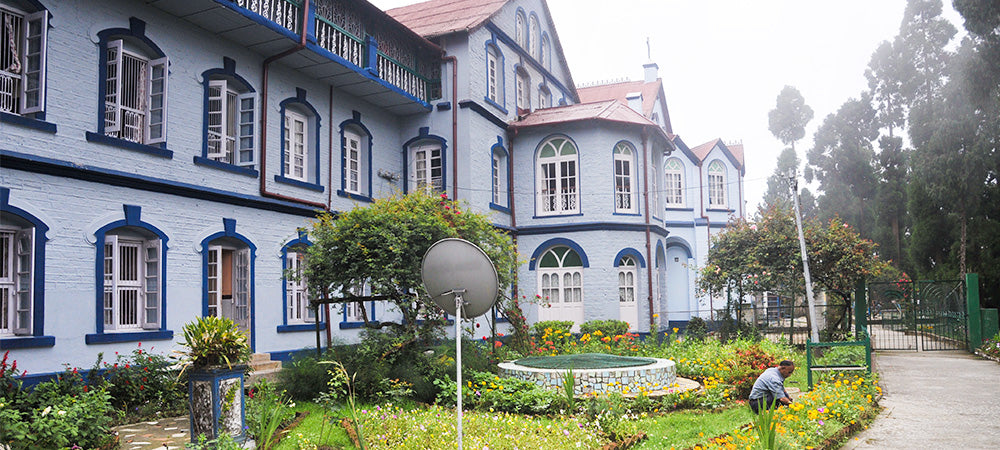
Of Kings and Queens: The St. Helen’s Story
Old girls of St Helen’s, Kurseong, gather for its 125th year, with memories of classmates who became queens of Bhutan and Nepal, beef stew and Goethals socials.
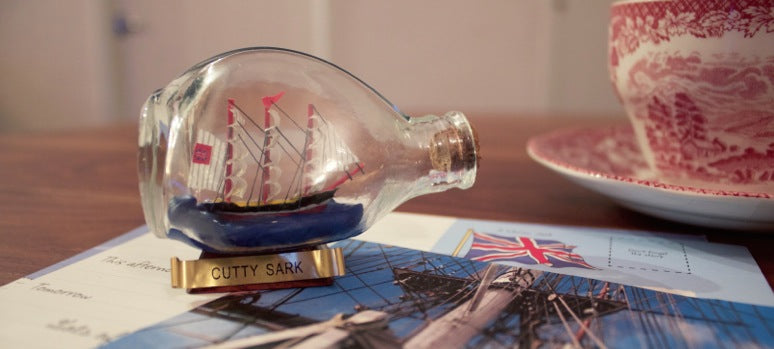
From a witch in a Robert Burns poem to the China tea races and a dry dock in Greenwich: the story of the Cutty Sark, one of the last tea clippers.

Novelist Dinah Jefferies on a childhood in Malaya, falling into writing, and researching The Tea Planter’s Wife, set on a 1920s Ceylon tea plantation.
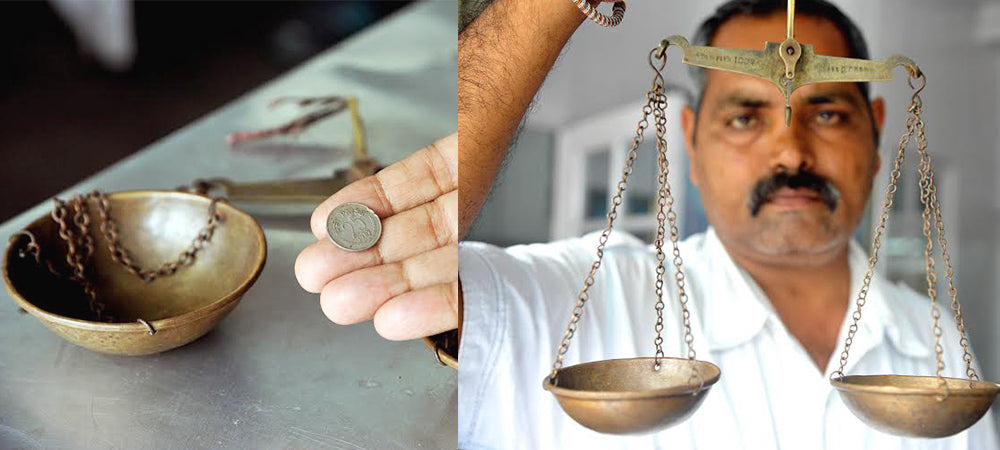
A balancing act in the Darjeeling tea gardens
In Darjeeling’s tea gardens, an old 25-paisa coin is still the weight for tasting samples, and one estate uses a Pakistani quarter. Nobody quite knows why.
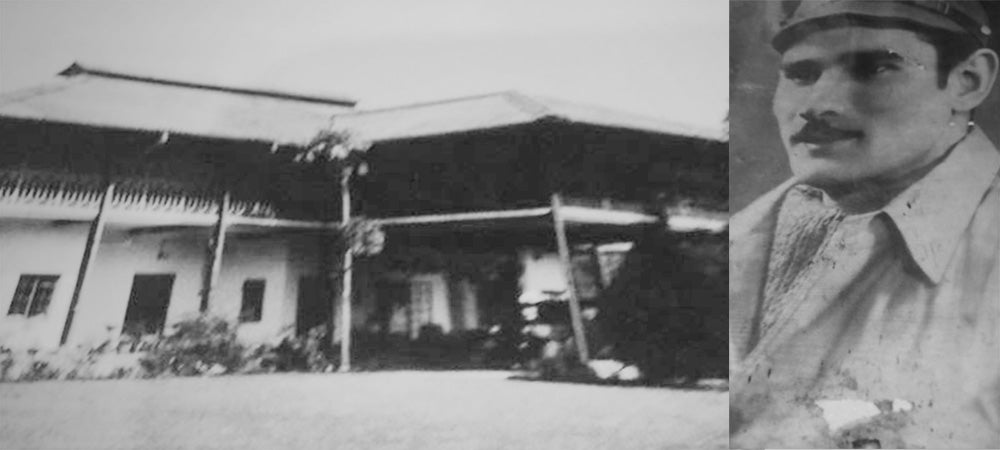
How a wounded Chindit soldier fell for a Lepcha nurse, became a planter at Lopchu, and raised a family in the tea gardens of Darjeeling and Assam.
What Became of the Small Leaf Tea?
Tea author Ian Bersten on how small leaf black tea was pushed aside by teabags and large leaf tea, and the brewing and packaging myths behind it.
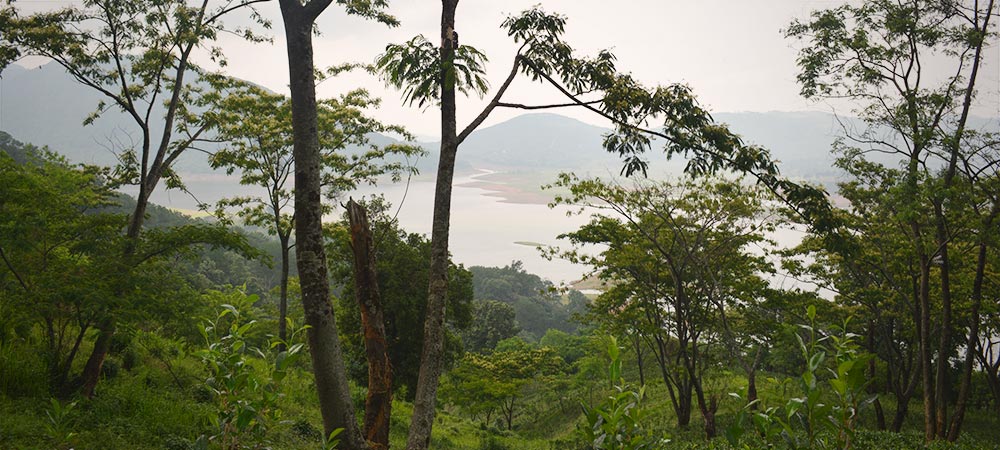
A Secret Tea Garden in the Clouds
How a forgotten East India Company report and a Khasi family legacy led to LaKyrsiew, a small organic tea garden in the hills of Shillong, Meghalaya.
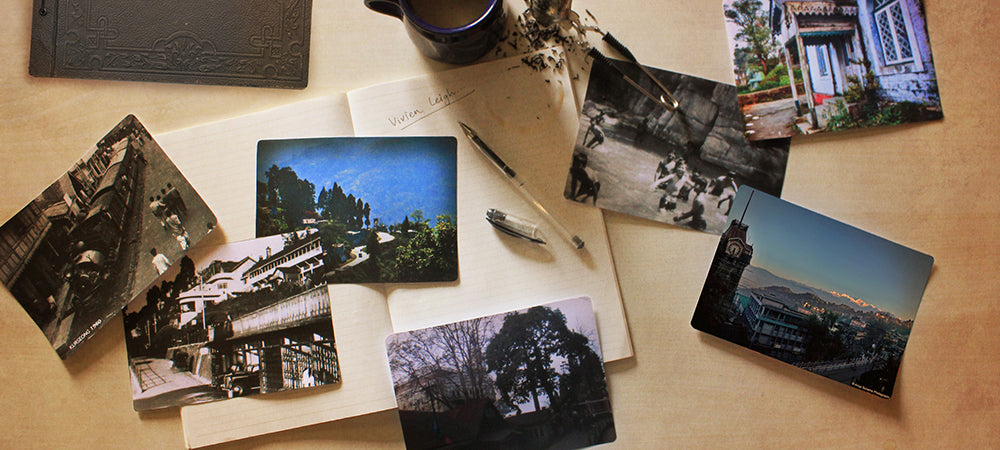
Of Vivien Leigh, Peter Sarstedt & Toy Trains
Anik Basu recalls growing up in the Darjeeling hills in the 1970s: toy trains, boarding school, cricket on mats and a first snowfall.
The ins & outs of tea diplomacy
Modi’s gift of Indian teas to US CEOs, Mandela’s tea with a general plotting war, and why a cup of tea has long been a quiet tool of diplomacy.
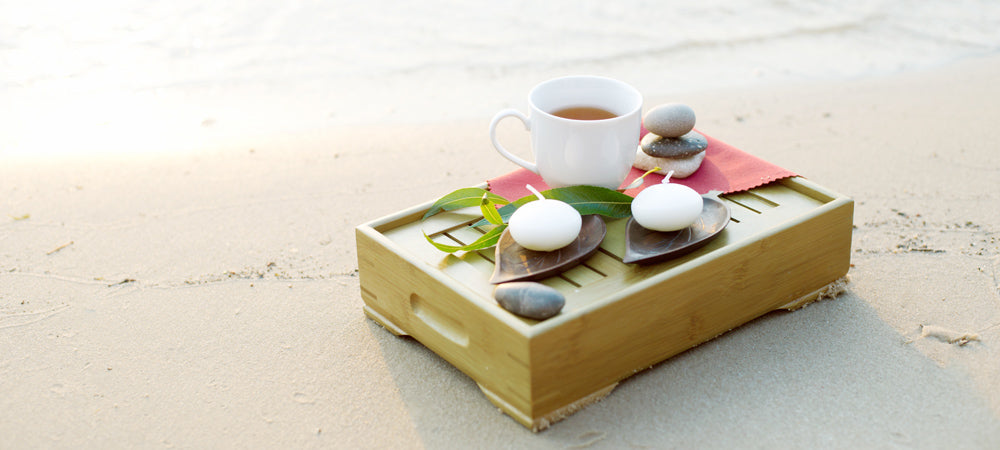
How tea really became popular across the world
From Garraway’s 1657 ad and the Hanway–Johnson feud to cheap sugar and India’s chai boom, a look at what really made tea the world’s favorite drink.