


First published in September 2021; details about the estates are as they were at the time.
Man vs. Wild is a tale as old as time. Whispered by grandmothers to little children, stories of hungering animals lurking in the dark waiting to make off with little disobedient kids who refuse to fall asleep. Mysterious disappearances linked with found footprints, steadily disappearing forest cover, wild animals roving the city streets looking for the next meal: the conflict between man and wildlife has steadily increased over time. But perhaps the people most concerned with the paper-thin balance of the co-existing spaces between civilization and wildlife are the ones living on the edges.
For long, tea gardens established on once-upon-a-time forest cover have been in the direct line of fire, with wild animals often slipping into the gardens. With incidents like rampaging elephants, leopards attacking villages, and hunters poaching elusive one-horned rhinos, most areas have been rife with violence, with increasing losses of both animals and humans. Construction of fences with electric wires started to rise in and around tea gardens, which, though they deterred direct onslaughts, in no way lessened them. The war would rage on till one side would decide on a ceasefire.
Environmentalists, wildlife conservationists, tea estate managers, and local people soon realized the best way to end the violence was simply by learning to share the space. Since then, most tea gardens have gone on to make remarkable progress in creating a balance between themselves and the surrounding wildlife.
Banaspaty Tea Estate: making room for elephants
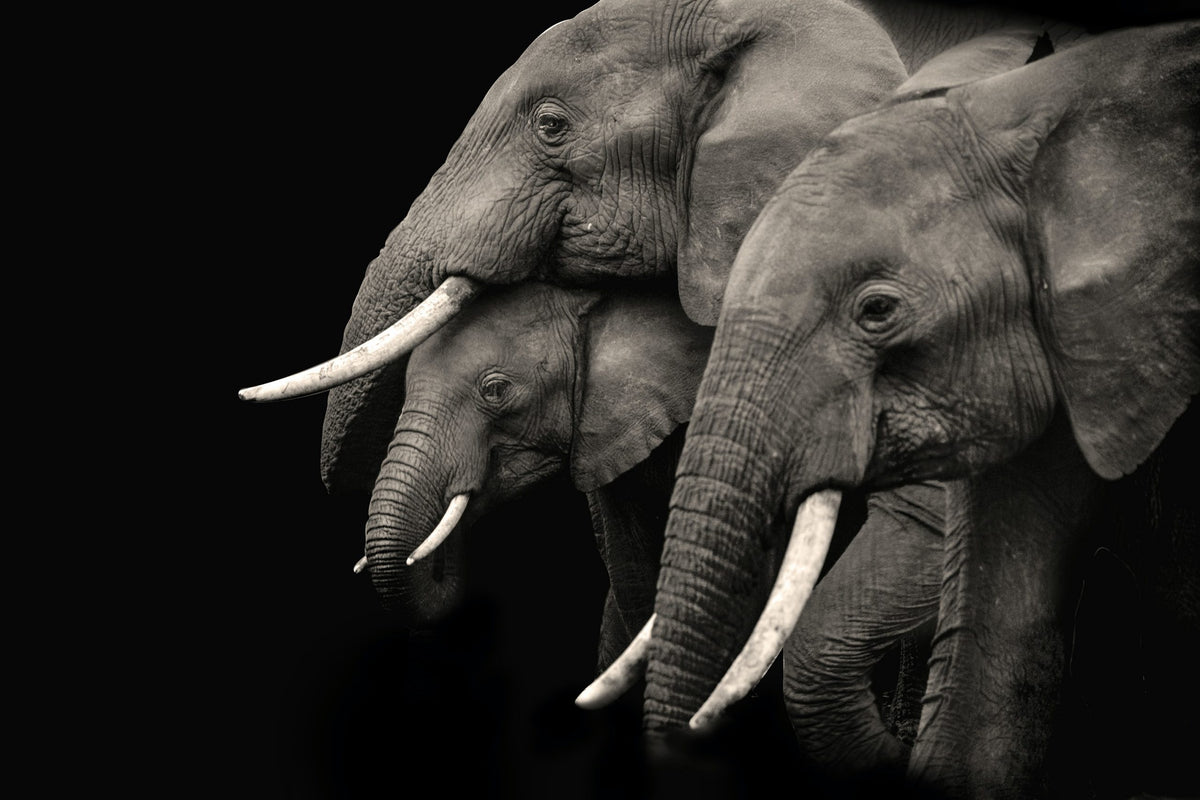
Tea gardens have long attracted elephants and a host of other wildlife. Photo courtesy: Gourav Ramnaraynan
One of the premier tea gardens in Assam, Banaspaty Tea Estate, a 160-acre tea garden located in the Karbi Anglong hills of Upper Assam, is one of those gardens that has found ways to co-exist peacefully with wild elephants, creating an accepting sanctuary. Currently operated by the third generation of the Mohan family of tea planters, it was the first certified organic tea garden in Assam.
Since its establishment in 1905, the garden has worked steadily to conserve the surrounding natural flora and fauna; coincidentally, Banaspaty literally translates to flora and fauna. The garden’s close proximity to the Kaziranga forest reserve makes it accessible to herds of rhinos and elephants. Hence, the garden partnered with “The Wildlife Enterprise,” an independent organization invested in the protection of the global elephant population, and Tea Promoters India to create a space for both wildlife and man.
The 101 elephant corridors mapped across India. Source: https://www.wti.org.in/projects/right-of-passage/
The garden has mapped various movement corridors across sections of the tea garden to allow elephant herds to move undisturbed and without any fear of being poached, hurt, or captured. This tea garden is certified as Elephant Friendly™, a certification based on the partnership between WFEN and the University of Montana’s Broader Impacts Group.
Plantations that meet high standards for the protection of elephant habitat and water resources, reducing human-elephant conflict and mortality, and reducing barriers to elephant movement between elephant habitat areas qualify for this certification. It guarantees to eliminate electrocution risks to elephants from fencing and power lines, drainage ditches, and other hazards that may injure elephants, and to eliminate the risk of poisoning of elephants.
The farm also safeguards endemic tree species such as Hollong, Acacia, Khair, and Mekai, which has directly led to the increase in both wildlife and birdlife in Banaspaty. Wreathed hornbills, great Indian hornbills, deer, pygmy hogs, langurs, parrots, magpies, etc. flock to a garden that supports over 400 workers and their families. The community prides itself on its efforts in being able to create a space of peaceful co-existence, working in sync with nature.
The great Indian hornbill pictured in Assam. Photo courtesy: Anwaruddin Choudhury
Margaret’s Hope and the Himalayan salamander
Another garden that has displayed remarkable sensitivity to its surroundings and made considerable efforts in co-existing with nature is one of the most romantic tea gardens in Darjeeling: Margaret’s Hope.
Known for its panoramic view of the Himalayas and teas that translate to superlatives, the lesser-known story of this tea garden is its effort in the conservation of the salamander population.
Replete with lichens and orchids, the tea garden has a lake that is home to several species of salamanders. Dug in 1947 by L. Helegon, the then manager of the garden, the Salamander Bhanjyang Lake has long attracted wildlife researchers from all over the world to study the rare species.
Bhanjyang Lake, also known as Salamander Lake, situated in Margaret’s Hope Tea Garden
The Himalayan salamander is considered a rare and endangered species, and it is a member of the ancient family Salamandridae, members of which are known to have existed in Europe since the Jurassic era. In India, they are found in Darjeeling, the Kamalang valley of Arunachal Pradesh, and the Ukhrul and Senapati districts of Manipur.
Hence, the conservation of these species has always been of utmost importance, an urgency which the garden recognized and responded to likewise. The lake had been abandoned in 1995 after an unfortunate drowning incident, but in 2003 attempts were made to revive it for the sake of the salamanders. The lake was replenished with 15,000 aquatic life to facilitate the growth of salamanders. Today, the garden enjoys an abundance of species.
The Himalayan salamander is considered endangered and protected under Schedule II Part I of the Indian Wildlife Protection Act, 1972. Photo courtesy: Bedi Brothers
The efforts to co-exist with nature by these tea gardens have had a more lasting impact, stretching outside the realm of the surrounding ecosystem. The impact has had cultural and social implications, with more and more tea gardens emulating their ways, understanding the benefits of ending the conflict, and co-existing in peace. Though the road is long and there is much that needs to be done, a single step to correct centuries of friction is doing more good than any other combative measure. It may be a tale as old as time, man vs. wild, but it is time for better wildlife mitigation plans by conservationists and tea gardens to change the course of the narrative.
Featured banner by Bishaka Dutta
Originally published on Still Steeping, the Teabox blog, on September 3, 2021. Lightly edited for clarity in October 2026. Taste the teas from the gardens in this story: Assam Banaspaty Summer Black from Assam, or Darjeeling Margaret's Hope Summer Chinary Black.

Leave a comment
All comments are moderated before being published.
This site is protected by hCaptcha and the hCaptcha Privacy Policy and Terms of Service apply.