



Plain tea is a low-calorie drink that contains caffeine and natural plant compounds that scientists have studied for decades, but research has not shown that tea prevents, treats or cures any disease. Tea is not a medicine. This guide sets out what is in a cup of green, black, white and oolong tea, what studies have looked at, where the evidence is uncertain, and why the best reason to drink tea is that you enjoy it. If you have a health condition, are pregnant or take medication, ask your doctor what suits you.
At a glance
- What tea isA drink, not a medicine
- PlantCamellia sinensis; herbal “teas” are other plants
- Main compoundsPolyphenols (catechins, theaflavins, thearubigins), caffeine, L-theanine
- A brewed cupAbout 98% water, 2% from the leaf (our training deck)
- CaloriesNext to none, without milk or sugar
Is tea good for you?
Plain tea is mostly water, has next to no calories, and contains compounds researchers find interesting, but science has not confirmed that drinking it improves health or prevents any disease. That is the honest answer, and it is the one we give, even though we sell tea.Read more
A remedy long before it was a drink
Tea has carried a reputation as a remedy for a very long time. In ancient China, people added herbs, and even onions, to tea to strengthen what they saw as its healthful properties.
When tea first reached the West, buyers went to an apothecary, not a tea shop, because it was sold as an herbal tonic for the skin, the stomach, sleepiness and memory. Our blog has traced the same thread through Japanese practice and the Ayurveda tradition of India, and noted that the very first recorded advertisement for tea in England highlighted that apothecaries recommended it.
What modern research says
Modern research tells a more modest story. When Peter Keen took the question on for our blog in 2016, his answer to “does tea prevent and cure illness?” was “Yes, No, Maybe and Possibly,” and he added a warning we still repeat: when an ad says a health link is “proven,” “it isn’t at all.”
He summed up the record in a line we still stand by: it is “mildly suggestive but not supportive of claims of specific benefits,” and study conclusions are “invariably littered with ‘may,’ ‘suggests,’ ‘potentially.’” His verdict on whether tea adds to well-being was “somewhere between ‘doubtful’ and ‘could well be,’” and “in no way is it a ‘Yes.’”
Our own older Tea 101 articles on green, black, white and oolong tea went much further than that, with lists of diseases tea was said to prevent. We have rewritten them as this guide, because those claims went beyond the evidence.
What tea reliably offers
What tea reliably offers is simpler: flavor, warmth, a little caffeine and a pause in the day. Aravinda Anantharaman, then our senior editor, put the house view plainly in 2016: drink tea or coffee “for pleasure,” because neither is “an antidote for ailments.”
In a martial arts school in Japan, students broke off from two hours of sword and knife training to sit on the dojo floor with a cup of green tea; one of them described it as “a time of quiet contemplation, reflection, and rest.” A Teabox writer once put it more bluntly: the health hype “overshadows the one actual reason why you should drink it,” which is how a good cup makes you feel at the end of a long day.
Nothing on this page is medical advice. If you have a health condition, are pregnant or breastfeeding, or take medication, ask your doctor before changing what you drink.
What is in a cup of tea?
A cup of tea is mostly water, plus small amounts of polyphenols (the compounds behind tea’s color, briskness and much of its taste), caffeine, the amino acid L-theanine, and traces of minerals.Read more
Our training deck puts a brewed cup at “on average 98% water and 2% compounds from within the tea leaves.” Green, black, white and oolong tea all come from the same plant, Camellia sinensis; how the leaf is processed changes which compounds end up in that 2%. See Types of tea for how each is made.
Read nextWhat is in a cup of tea?What the leaf is made of, what reaches your cup, and how processing and freshness change itHow to read health claims about tea
Most tea headlines rest on early or indirect evidence: studies in cells or animals, concentrated extracts rather than brewed tea, or surveys that show a link without showing cause. Knowing which kind of study sits behind a claim tells you how much weight it can bear.Read more
| Type of evidence | What it can tell us | What it cannot |
|---|---|---|
| Lab (in vitro) studies | How a tea compound behaves on cells in a dish | What happens in a person who drinks a cup; doses are often far higher than any cup delivers |
| Animal studies | Early clues worth following up | Whether the same happens in people; results often do not carry over |
| Extract and supplement studies | Effects of a concentrated, measured dose | What a cup of brewed tea does; a capsule is a different product |
| Population (observational) studies | Whether tea drinkers differ on average from non-drinkers | Whether tea caused the difference; tea drinkers may also differ in diet, habits and income |
| Human trials with brewed tea | The closest test of a real cup | Often small and short; results for tea have been mixed |
The range of questions is wide. Keen listed studies on tea and cold cures, cancer prevention, blood pressure, diabetes, depression, weight reduction, ulcers, rheumatism and liver function, and found that none had yet produced a claim that “passes basic tests of statistical reliability, replication, predictive validity, or generalizable results.” A small study of green tea drinkers over a few months, he wrote, is “suggestive or promising” at most.
Our 2014 blog made the animal point memorably: tea has shown effects against cancer in mice, “but there are no conclusive results to prove the same works on human beings.” Our 2016 blog was harder still on marketing, calling the industry’s health copy “an area of massive misinformation: ignore it all,” with examples such as a pu-erh “renowned for lowering cholesterol” and an oolong said to be “naturally melting away belly fat.”
A useful rule: words such as “may,” “is linked to” and “studies suggest” are honest; words such as “proven,” “cures,” “detox,” “boosts immunity” and “burns fat” go beyond what the evidence on tea supports. For the most common claims and what lies behind them, see Tea and health myths.
Green, black, white and oolong tea: what research has and has not shown
Green tea is the most researched of all teas and black tea comes next, while white tea and oolong have been studied far less; for all four, no health benefit of drinking them has been established.Read more
Each type has its own reputation: green for catechins, black for heart studies, white for “more antioxidants” and oolong for weight. On a separate page we take each in turn, say what has been studied, and say plainly which of our own old claims we have withdrawn.
Read nextGreen, black, white and oolong tea: the researchWhat has been studied for each tea, what has not been shown, and which tea really has the most polyphenolsGreen, black, white and oolong tea compared
The four teas differ in processing, natural compounds and caffeine, but research has not shown any one of them to be healthier than the others.Read more
| Tea | How it is made | Main polyphenols | Polyphenols / catechins in made tea (training deck, % of dry leaf) | Caffeine per cup (Tea 101, about) | Teabox caffeine rating, one example | Topics researchers have looked at | Proven benefit from drinking it? |
|---|---|---|---|---|---|---|---|
| Green | Not oxidized; heated to keep the leaf green | Catechins, including EGCG | 19.2 / 12.5 | 20 to 45 mg | Low (Darjeeling Green Tea) | Heart, cholesterol, blood sugar, weight, cancer | No; results conflicting and inconclusive |
| White | Minimal: withered and dried | Catechins and other polyphenols; varies with the leaf | 21.5 / 13.2 | Generally on the lower side of green; varies | Low (Silver Needle); our Moonlight whites are Medium | Antioxidant content, skin (applied, in the lab) | No; little research in people |
| Oolong | Partly oxidized | A mix of catechins and theaflavins | Not given | Between green and black | Medium (Glenburn Moonshine) | Metabolism, weight | No; limited evidence |
| Black | Fully oxidized | Theaflavins and thearubigins | 16.5 / 4.2 (theaflavins 1.0) | About 50 mg | High (Classic Assam Black) | Heart, cholesterol, blood sugar, bones | No; suggestive links only |
| Herbal (tisane) | Other plants: flowers, herbs, roots | Depends entirely on the plant | Not applicable | Usually none | Caffeine free (Pure Chamomile) | Varies by plant | Not covered here; each plant is different |
Caffeine varies with the leaf, how much you use, water temperature and steeping time. Figures are Tea 101’s approximate ones. Polyphenol and catechin percentages are from our staff training deck, which does not name its source; they describe the dry leaf, not a cup, and say nothing about health. Ratings are the High, Medium, Low and Caffeine free labels on our product pages, October 2026.
The deck’s figures show why processing, not virtue, separates the teas. White and green tea keep most of the leaf’s catechins, while in black tea oxidation has turned most of them into theaflavins and thearubigins, so its catechin figure drops to about a third of green’s. The total polyphenols differ far less, from 16.5% to 21.5%.
Whichever you choose, the things that change a cup most are the ones you add: sugar, milk and cream. If you would like less caffeine, green tea (about 20 to 45 mg a cup by Tea 101’s figure) or a caffeine-free herbal infusion are the lower-caffeine options.
Tea and Ayurveda
In India, everyday drinks have long drawn on Ayurveda, the traditional Indian system of well-being, which uses herbs and spices such as tulsi, ginger, cardamom, black pepper and turmeric; we share these as a living cultural tradition, not as treatments.Read more
Ayurveda, from ayur (life) and veda (knowledge), describes the body in terms of three energies, or doshas: Vata (air and space), Pitta (fire and water) and Kapha (earth and water), and frames food, season and daily routine around keeping them in balance.
Much of this wisdom was handed down at home rather than in books: a grandmother’s spiced milk for a winter cold is part of growing up in many Indian families. Our own herbal blends have drawn on Ayurvedic ingredients such as haritaki, one of the three dried fruits that make up the traditional Ayurvedic formula Triphala. Other traditions have their herbal cups too. The ancient Egyptians, as we wrote on World Sleep Day in 2024, believed chamomile flowers helped them sleep peacefully.
Our Ayurvedic chais, by ingredient
Our Ayurvedic chais carry these traditions into the cup. We make them to be enjoyed for their flavor and their place in Indian life, and we describe them here only by what goes into them.
- Rajasik: Rajasik Ayurvedic Chai, a morning chai, blends tea with ginger, black pepper, tulsi and green cardamom.
- Ojas Ras: Assam CTC black tea with spearmint, lemongrass, nutmeg and ginger.
- Ashoka Ras: black tea with rose, licorice, ginger, cardamom and cinnamon.
- Abhay Ras: hibiscus, amla, tulsi and bay leaf, with no tea leaf, so it is caffeine free.
The ones made with tea leaf carry a High caffeine rating on our product pages, like any strong chai. For single herbs, see Tulsi (holy basil) tea and Herbal tea (tisanes).

One caution that is about plants, not promises: herbs are active ingredients in their own right, and some people are advised to avoid particular ones. Our 2016 blog warned that herbal products carry risks of interactions between herbs, allergic reactions and uneven quality control. If you have a health condition, are pregnant or take medication, check with your doctor before making an herbal drink a daily habit.
How many cups of tea a day is too many?
There is no official number of cups of tea that suits everyone, and we do not recommend one; the practical guide for most people is caffeine, and anyone with a health condition, pregnant or on medication should ask their doctor. Our old Tea 101 article said three to five cups of green tea a day “seems to be optimal.” We no longer say that, because it was not based on firm evidence.Read more
- Caffeine. Using Tea 101’s rough figures, a cup of black tea has about 50 mg and green tea about 20 to 45 mg, roughly half or less of a cup of coffee. If tea leaves you jittery or keeps you awake, drink less of it, brew it lighter, have it earlier in the day, or switch some cups to a caffeine-free herbal infusion. Coffee drinkers can compare the two in Caffeine in tea.
- Read the rating. Every Teabox tea carries a High, Medium, Low or Caffeine free label. Blends named for the evening or for calm can still contain tea leaf: our Chamomile Green blends chamomile with green tea, so unlike Pure Chamomile it does contain caffeine.
- Iron. Our 2015 blog noted that the tannins in tea can block the absorption of iron, “something to note if you’re anemic or your hemoglobin levels are low.” If that applies to you, ask your doctor whether the timing of your tea matters.
- Pregnancy. Caffeine and some herbs are a particular question in pregnancy. Our guide to Tea during pregnancy explains what to ask your doctor or midwife.
- What you add. Several sweet, milky cups a day add up in sugar and calories in a way plain tea does not.
When customers write to us with questions about pregnancy or a medical condition, we answer as tea makers, not doctors: we point them to their own healthcare provider, and we are happy to share the full ingredient list of any blend to help that conversation.
Our 2014 blog had a word for people who drink ten cups of green tea a day “because they’re really into fitness”: tea is not a “magical elixir,” and if it were, “we folks at Teabox have chugged enough to become superhumans.”
Guides in this section
This hub covers the essentials; each of the guides below looks closely at one question people ask about tea and health, in the same careful way.
Choosing a tea to enjoy
Choose the tea you most enjoy drinking, ideally fresh, whole-leaf and dated by harvest.
Keen’s worry in 2016 was that health promises steer people to “pick mediocre teas and avoid excellent ones more on the basis of health than taste.” His advice to every kind of tea drinker, whether convinced of tea’s benefits or not, was the same: “Go for the taste and you’ll get the benefits if they exist and the enjoyment even if they don’t.” He noted that tea professionals “very rarely single out one as being of note just because of its health value.”
That is how our tasters work too. They judge a tea on its dry leaf, its cup and its aroma, and the chemistry matters only for what it does to flavor. As Frank Miller wrote for us in 2015, polyphenols “are not quality itself; they are the building blocks of quality,” and young shoots of two leaves and a bud carry more of them than the coarser leaves lower down.
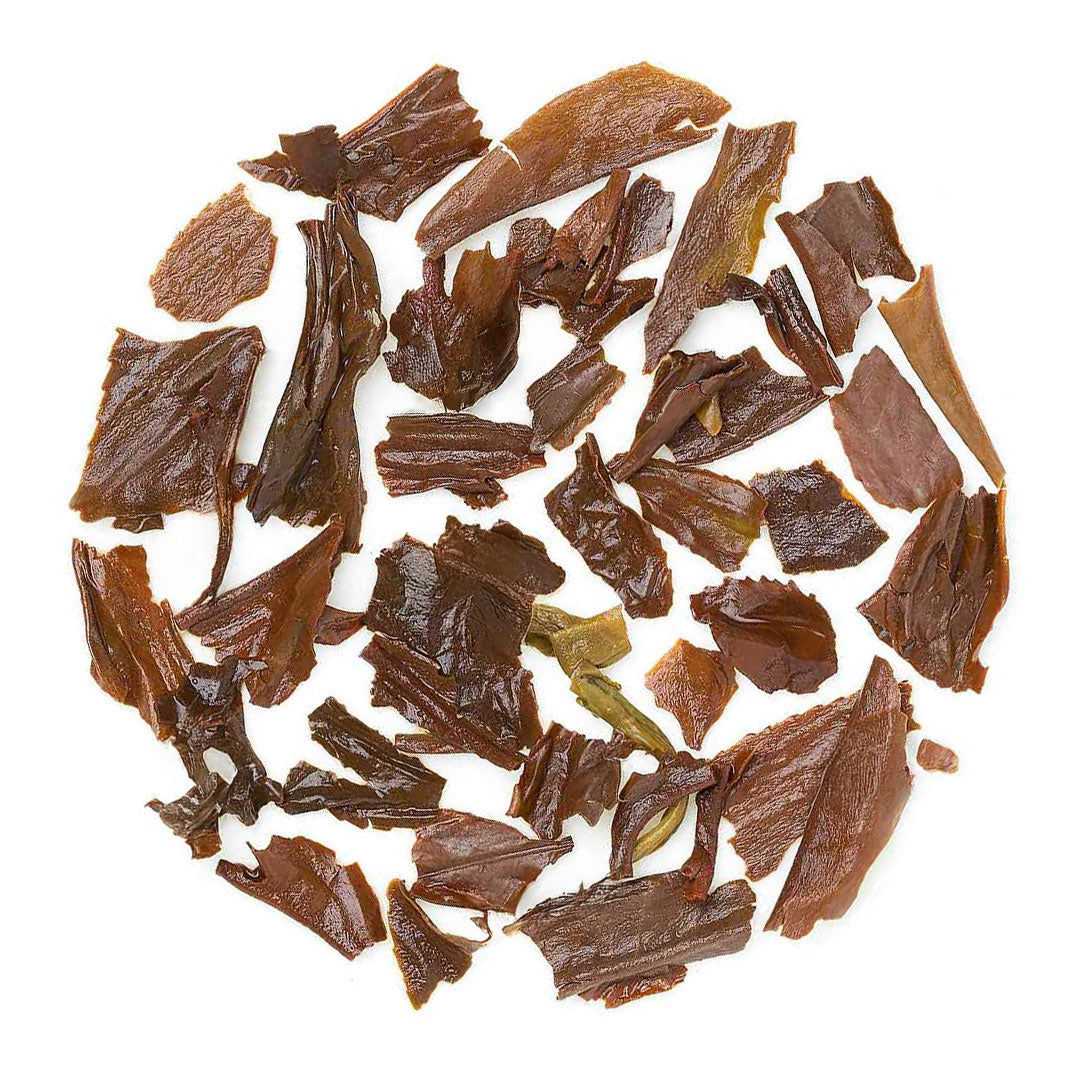
Freshness is the other thing we can control. Our procurement threshold for moisture in made tea is 4%, and we vacuum pack our teas and keep them in cold storage so the leaf changes as little as possible before it reaches you. Here is one of each type to start with.
Health benefits of tea FAQ
Which tea is the healthiest?
Research does not name a healthiest tea. Green, white, oolong and black tea contain different natural compounds, and none has been shown to be better for health than the others. As our blog once put it, it is like comparing the medical benefits of green apples and red ones. Choose the tea you enjoy, ideally plain or lightly sweetened.
Is it OK to drink tea every day?
Tea is an everyday drink for many millions of people. The things to keep an eye on are caffeine (about 50 mg in a cup of black tea by Tea 101’s figure), sugar and milk. We do not recommend a number of cups; if you have a health condition, are pregnant or take medication, ask your doctor what suits you.
Does milk reduce the benefits of tea?
Researchers have asked whether milk proteins bind some of tea’s polyphenols, and the findings do not agree, so there is no settled answer. Since no health benefit of tea has been established either way, we suggest choosing by taste: milk suits a strong Assam, while most Darjeeling, green, white and oolong teas are best plain. See our blog’s Should you add milk to tea?
Is herbal tea as healthy as green tea?
Herbal teas are not tea at all: they are infusions of other plants, such as chamomile, mint or hibiscus, so they contain different compounds and usually no caffeine. Each plant has to be considered on its own, and some herbs are not suitable for everyone, so ask your doctor if you have a health condition. See Herbal tea (tisanes).
Is tea a medicine?
No. Tea is a drink. It has been used as a traditional remedy in China, Japan, India and Europe, but modern research has not shown that drinking tea prevents, treats or cures any disease, and Teabox makes no health claims for its teas.
Does tea have antioxidants?
Tea contains polyphenols, such as catechins in green tea and theaflavins in black tea, that act as antioxidants in laboratory tests. What they do in the body after you drink a cup is not established. See Antioxidants and tannins in tea.
Does Teabox test its teas for antioxidants or caffeine?
Not yet. We have no laboratory results of our own for caffeine, catechins or polyphenols, so the percentages in this guide come from published research and our staff training material, and the caffeine labels on our product pages are ratings, not measurements. We say so rather than quote figures we have not checked.
Keep reading
Sources
- Teabox Tea 101: Health benefits from green tea; Health benefits from drinking black tea; Health benefits from drinking white tea; Health benefits from drinking oolong tea (all older versions, rewritten here); Caffeine in tea; Black tea or green tea
- Teabox blog: Tea with Ninjas (2015); Should you add milk to tea? (2015); Tea or coffee? I swing both ways! (2015, with Aravinda Anantharaman’s 2016 reply)
- Teabox blog (Still Steeping), Peter Keen, Tea vs health: You be the judge and the jury, 2016; Adeline Teoh, Mythbusting tea as medicine, 2015; 5 lies you’ve been told about tea, 2014; Ancient Remedies in Modern Times: Ayurveda and Yoga, 2020; Frank Miller, How to judge the quality of tea, 2015; Peter Keen, The chemistry of tea: a lab, not a leaf, 2016 (leaf composition chart: Table_web.jpg); Peter Keen, The true colors of the white tea, 2016
- Teabox Drive: Teabox internal document (composition tables, procurement and storage); Teabox internal document, 2026 (internal); product photos as credited
- Published research held in the Teabox knowledge repository (not Teabox’s own work; composition only): Lakenbrink, Engelhardt et al., Teabox internal document, Journal of Agricultural and Food Chemistry 48, 2000; Kosińska and Andlauer, Teabox internal document (book chapter); D. Komes et al., Teabox internal document, Czech Journal of Food Sciences 27, 2009; M. N. Dev Choudhury, F. Rahman and B. C. Barbora, Tocklai Experimental Station, Teabox internal document, Two and a Bud
- Teabox product descriptions and product data (caffeine ratings, ingredients), October 2026: Darjeeling Green Tea, Classic Assam Black, Special Spring Silver Needle White, Glenburn Spring Moonshine Oolong, Pure Chamomile, Rajasik, Ojas Ras, Ashoka Ras and Abhay Ras chais, the Moonlight white teas, Chamomile Green
- Teabox on Instagram (@teabox.tea): haritaki and Triphala, Mar 2020; chamomile in ancient Egypt, Mar 2024

Leave a comment
All comments are moderated before being published.
This site is protected by hCaptcha and the hCaptcha Privacy Policy and Terms of Service apply.