


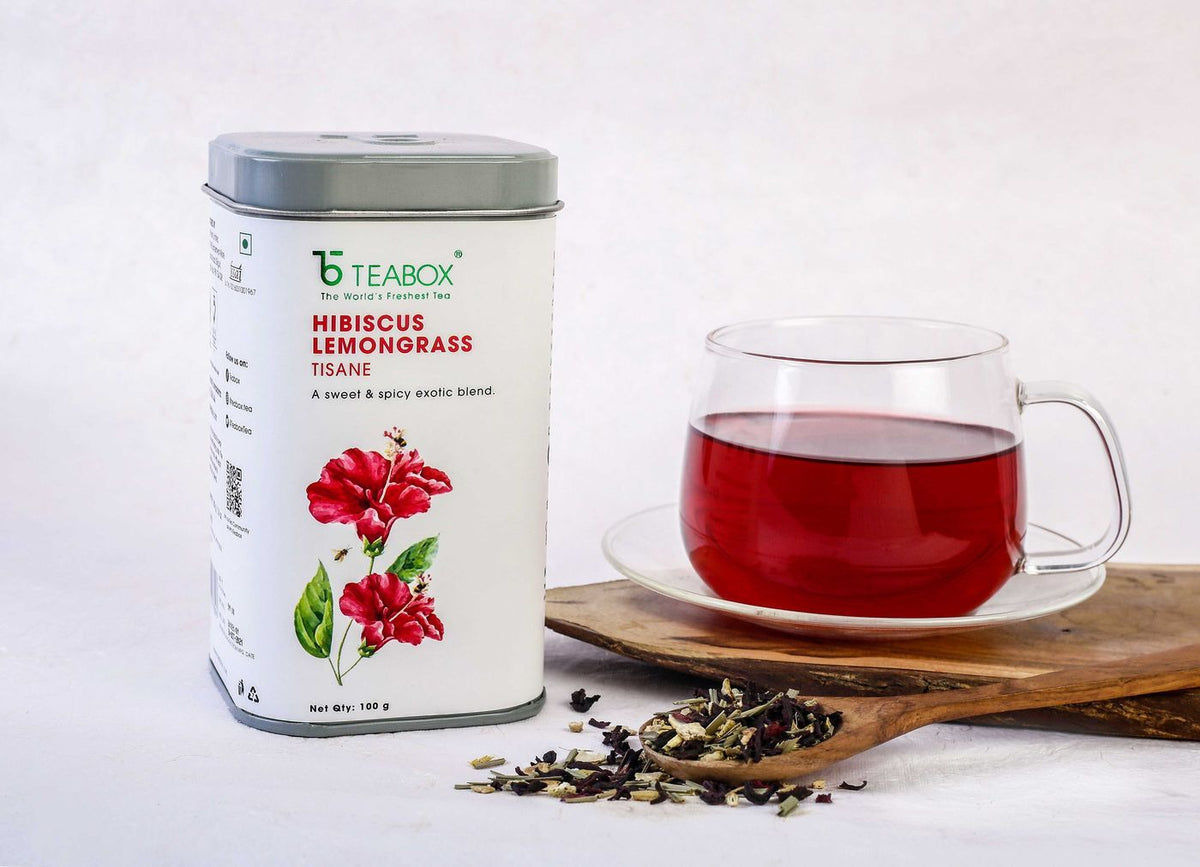
Herbal tea, or a tisane, is an infusion of flowers, herbs, roots, seeds or fruit in hot water, made without any leaf from the tea plant. Because it contains no tea, most herbal tea is naturally caffeine-free. Chamomile, hibiscus, peppermint, lemongrass, rooibos and butterfly pea flower are among the best known, and India has its own long tradition of herbal brews, from tulsi to the spiced pots of winter.
At a glance
- What it isAn infusion of plants other than the tea plant
- Also calledTisane, herbal infusion
- Made fromFlowers, leaves, roots, bark, seeds, fruit and peel
- CaffeineUsually none (yerba mate is an exception)
- Popular kindsChamomile, hibiscus, peppermint, lemongrass, rooibos, butterfly pea
Is herbal tea really tea?
Strictly speaking, no: true tea comes only from the leaves of the tea plant, Camellia sinensis, and herbal teas are made from other plants entirely.Read more
That is why tea people prefer the word tisane (pronounced tee-ZAHN), borrowed from French. In everyday speech, though, “herbal tea” is what most people ask for, so we use both names in this guide.
Kausshal Dugarr, Teabox’s founder, put it plainly in 2014: “Tea comes from the leaves and buds of the plant Camellia sinensis.” Chamomile tea, ginger tea and ginseng tea, he wrote, are sold as herbal tea, which “is a concoction obtained from brewing various herbs or roots in a fashion similar to tea.” Our staff training module says the same thing in fewer words: these drinks “do not have Tea leaves (Camellia sinensis)” and are made from fruits, spices and herbs steeped in hot or cold water.
Black, green, white and oolong teas are all the same plant, made in different ways; our guide to types of tea explains how. A tisane can be made from almost any edible, aromatic part of a plant:
- Flowers: chamomile, hibiscus, butterfly pea and lavender.
- Leaves: peppermint, lemongrass and tulsi.
- Roots and bark: ginger and licorice root, and cinnamon bark.
- Seeds, fruit and peel: fennel seed, and amla, rosehip or orange peel.
Many of the best are blends of several. Our 2023 training deck describes a tisane as “typically a blend of fruits, flowers, roots, berries, seeds and even spices SANS TEA.”
Tisanes are not a modern fashion. A 2015 essay on our blog put it simply: brews of “flower petals, barks, roots, seeds, or fruits” have been drunk “for thousands of years,” and their recipes have followed the trends of every age.
Herbal tea vs true tea: what’s the difference?
The difference is the plant: true tea is Camellia sinensis and contains caffeine, while herbal tea is any other plant and usually contains none.Read more
That one fact changes how each is grown, how it tastes and how you brew it. Tea leaf is withered, rolled and often oxidized in a factory, and it can turn bitter if the water is too hot or the steep too long. Most herbs are simply dried, and they need full heat and time to give up their flavor.

| Herbal tea (tisane) | True tea | |
|---|---|---|
| Made from | Flowers, herbs, roots, seeds, fruit | Leaves and buds of Camellia sinensis |
| Caffeine | Usually none | Yes: Tea 101 puts black tea at about 50 mg a cup and green tea at about 20 to 45 mg |
| Flavor | Floral, tart, minty, spicy, earthy | Grassy, floral, fruity, malty, roasted |
| Water | 100°C (212°F) | 75–100°C (167–212°F), by type |
| Steep | 5–7 minutes | 2–5 minutes, by type |
| Turns bitter? | Most herbs rarely do | Yes, if too hot or too long |
When herbs and tea meet in one tin
The line blurs when herbs and tea meet in one tin. Chamomile blended with green tea is a flavored green tea, not a tisane, and it carries green tea’s caffeine. Our own Chamomile Green is a good example: it blends chamomile flowers with whole leaf green tea, and “we remove the stalks so that you enjoy the goodness of only the flowers.” Our product data rates it low in caffeine, not caffeine-free.
The same goes for Kashmiri kahwa, which is green tea with saffron and spices (see Kashmiri kahwa), and for every masala chai. Our 2014 myth-busting post called masala chai “a delicious example” of herbs and tea in one cup.
Herbs have been going into the teapot for well over a thousand years. Lu Yu, the Tang dynasty author of The Classic of Tea, complained that people of his day added “sweet onions, ginger, tangerine or orange peel, dogwood berries, pepper, mint and jujube”; a purist, he allowed only salt.
Rose is a good example. Our best-selling Mountain Rose Black is black tea with rose, jasmine and cardamom; in the run-up to Valentine’s Day 2022 it took 178 orders, which by our reckoning came to about 8 kg of rose in tea. More on these in Flavored tea blends.
What are the most popular herbal teas?
The most popular herbal teas are chamomile, hibiscus, peppermint, lemongrass, rooibos and butterfly pea flower, each with a very different taste and color.Read more
| Herbal tea | Part of the plant | Cup | Taste |
|---|---|---|---|
| Chamomile | Flowers | Golden yellow | Floral, honeyed, crisp apple |
| Hibiscus | Flower calyces | Ruby red | Tart, fruity, cranberry-like |
| Peppermint | Leaves | Pale green-gold | Cool, clean, sweet |
| Lemongrass | Leaves and stalks | Pale straw | Bright, citrusy, grassy |
| Rooibos | Oxidized leaves and stems | Red-brown | Sweet, woody, a hint of honey |
| Butterfly pea | Flowers | Royal blue | Light, earthy; steamed rice and soft beans |
We sell three of them as pure tisanes, Pure Chamomile, Hibiscus Lemongrass and Blue Amore butterfly pea, and our tasting notes, labels and recipes for each are in the companion guide.
Read nextPopular herbal teasChamomile, hibiscus, peppermint, lemongrass, rooibos, butterfly pea and other herbs, one by oneHerbal brews in Indian and Ayurvedic tradition
India has drunk herbal infusions for centuries: tulsi, ginger, amla, fennel and spices are brewed in homes across the country, and Ayurveda, India’s traditional system of wellbeing, has long chosen herbs to suit the season and the person.Read more
Our own herbal chais, Abhay Ras and Soma, draw on that tradition, and in 2022 our blenders turned the Indian summer sharbat into iced tisanes.
Read nextIndian herbal brewsTulsi, kadha, Ayurvedic herbs, Teabox’s herbal chais and sharbat tisanesIs herbal tea caffeine-free, and is it safe for everyone?
Most herbal teas contain no caffeine at all, because they contain no tea leaf; the exceptions are yerba mate and any blend that adds green or black tea. Herbs can still interact with medicines or cause allergies, so check with your doctor if you are pregnant or take regular medication.Read more
That makes tisanes a popular evening choice, or a choice for anyone cutting back. Check the label: if it lists green tea, black tea or Camellia sinensis, the cup has caffeine. For comparison, Tea 101 puts a cup of black tea at about 50 mg and green tea at about 20 to 45 mg, though it varies with the leaf, the amount, the water temperature and the steeping time. More in Caffeine in tea.
How to read a caffeine label
Every Teabox product page carries a caffeine rating. Our three pure tisanes, Pure Chamomile, Hibiscus Lemongrass and Butterfly Blue Pea, are rated “Caffeine Free,” while every one of our flavored green teas, chamomile and mint among them, is rated “Low,” because there is green tea in the tin. When we launched our 2022 summer tisanes, we put it in numbers on the pack: “0% caffeine and no added sugars at all.”
A name can mislead. A tin with “chamomile” or “tulsi” in its name may still be a green tea, so read the ingredient list, not just the front of the pack.
Natural is not the same as right for everyone
“Natural” does not automatically mean right for everyone. Herbs are plants with active compounds, and a 2016 piece on our blog noted that some herbal teas can cause problems “in combination with each other, medications and laxatives, and through oversteeping and high dosages.” The same piece pointed out that “natural” on a flavor label only means it contains something that can be found in nature; it takes 200 kilograms of bergamot fruit from Calabria and Sicily, for instance, to make one kilo of real bergamot essence.
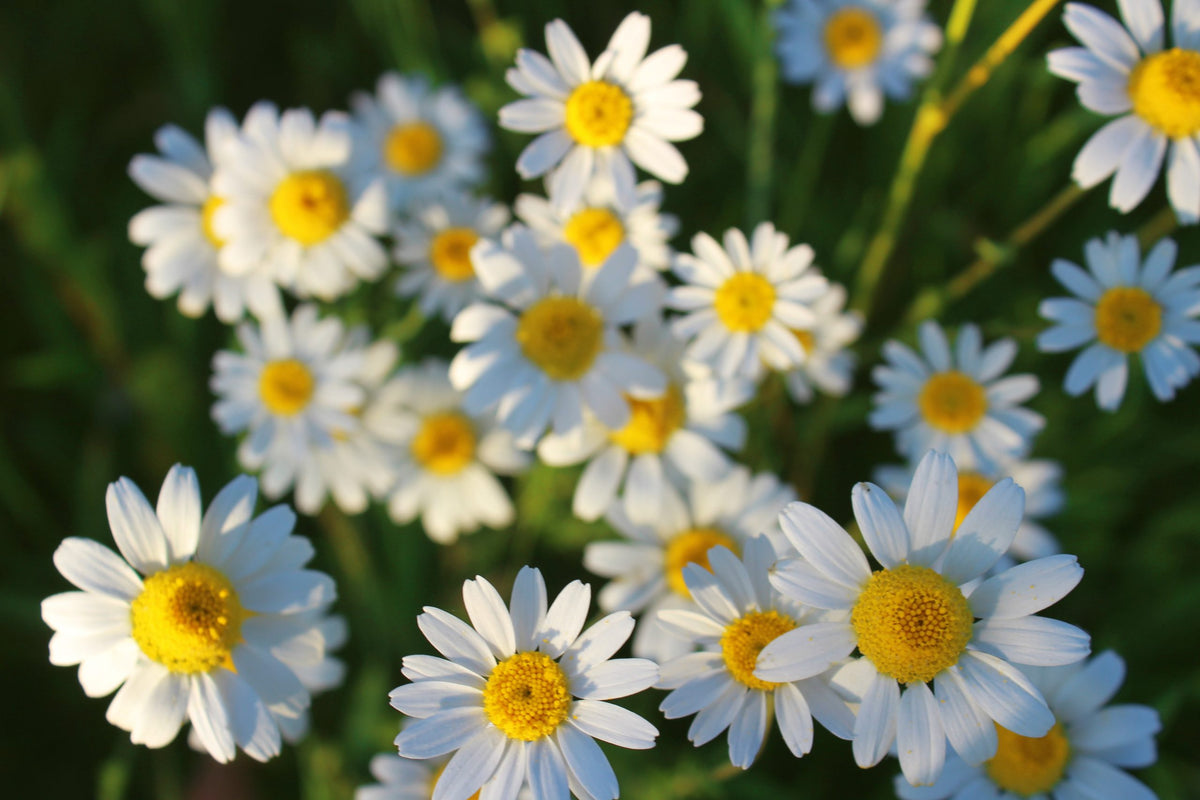
People with plant allergies should take care too; chamomile, for example, belongs to the daisy family. Read the whole ingredient list as well: our Hibiscus Lemongrass Tisane includes licorice, and Soma Ayurvedic Chai includes ashwagandha, so if you have been told to avoid a particular herb, look for it by name.
Herbal tea is not a treatment for any illness. If you are pregnant, breastfeeding, take regular medication or have a health condition, ask your doctor which herbal teas suit you, and see Tea during pregnancy. Keep tisanes, and especially herbal essential oils, away from pets: as our writer Peter GW Keen found, “Many herbal leaves are safe; their extracted essences aren’t,” and an essential oil can be “500–2,000 times” as concentrated as the leaf. See Tea and Herbs: For You, Fine. For Your Cat, Never.
How to brew herbal tea
Brew herbal tea with freshly boiled water at 100°C (212°F), about a heaped teaspoon per 250 ml cup, and steep it covered for 5 to 7 minutes.Read more
Unlike green or white tea, herbs need full heat and time to release their flavor, and most will not turn bitter if you leave them a little longer.
Read nextHow to brew herbal teaStep by step, our own measures, second steeps, home blending and an iced hibiscus recipeHow to choose an herbal tea
Choose by flavor first: chamomile for a soft, floral cup; hibiscus for something tart and fruity, hot or iced; butterfly pea for color; and an Ayurvedic herbal chai for spice and warmth without caffeine.
Then check the ingredient list for tea leaf, if caffeine matters to you.
What good herbs look and smell like
Look for whole flowers, leaves and peel you can recognize, rather than dust. A good tisane smells of what it is even before you add water: chamomile should be honeyed, lemongrass bright, hibiscus fruity.
Our chamomile shows what we look for. We buy whole, real flowers “with no stems or dusty particles,” large, fragrant flower heads with unbroken florets, and they are hand-sorted and cleaned when they arrive.
If you can, smell and taste before you buy. That was the idea behind our experience stores, where customers could “see, taste, smell and touch” our teas: the first opened at Mumbai’s T2 terminal in December 2018 and the second at Bengaluru airport in June 2019.
How to store it
Store herbs like tea, in an airtight tin away from light, heat and strong smells. Dried flowers keep for less time than tea leaf: we give our chamomile “about 6-12 months when stored in an airtight container.”
Herbal tea FAQ
Does herbal tea have caffeine?
Most herbal teas are naturally caffeine-free because they contain no leaf from the tea plant. The exceptions are yerba mate and any blend that adds green or black tea, such as chamomile green tea or masala chai. See Caffeine in tea.
What is the difference between herbal tea and a tisane?
There is none. Tisane is simply the more precise name for an infusion of herbs, flowers, roots, seeds or fruit, used to separate it from true tea, which is made from Camellia sinensis.
Is chamomile green tea a tisane?
No. Chamomile green tea is green tea flavored with chamomile flowers, so it contains caffeine. Pure chamomile, with no tea leaf, is the tisane.
Can I drink herbal tea during pregnancy?
Some herbal teas are considered fine in moderation and others are not recommended, so always check with your doctor or midwife first. Our guide to tea during pregnancy covers what to ask.
Why does butterfly pea tea change color?
Its blue comes from natural plant pigments called anthocyanins, which react to acidity. Add lemon or lime juice and the cup shifts from blue to violet or purple within seconds.
What is rooibos tea?
Rooibos, or red bush, is a South African shrub whose leaves and stems are oxidized and dried. It brews a red-brown, naturally caffeine-free cup that is sweet and woody, with a hint of honey.
Is yerba mate an herbal tea?
It is drunk like one, but it is not caffeine-free. Yerba mate is the leaf of a South American holly, Ilex paraguariensis, and it contains caffeine.
How long should I steep herbal tea?
Usually 5 to 7 minutes in freshly boiled water, covered. Roots and seeds such as ginger and fennel can steep longer, and most herbs will not turn bitter, so adjust to taste.
Is tulsi tea an herbal tea?
Yes. Plain tulsi (holy basil) tea contains no tea leaf, so it is a caffeine-free tisane; tulsi green tea and tulsi chai contain caffeine from their tea. See Tulsi tea.
Keep reading
Sources
- Teabox Tea 101: A beginner’s guide to herbal tea; caffeine figures from the Tea 101 caffeine posts
- Teabox blog: How to Make Lemongrass Tea (Saloni Samant, 2015), The Many Uses of Lavender (Mohona Banerjee, 2023), Ginger: Not just chai’s partner-in-crime (Priti David, 2016), The Journey of Our Beloved Chai (Samvit Kher, 2020), Tea and Herbs: For You, Fine. For Your Cat, Never (Peter GW Keen, 2016), 8 Tips for Creating Your Own Tea Blends (Meeta Sharma, 2015); A Healing Cup of Chamomile (2023, background only, not quoted)
- Teabox blog stories: 5 lies you’ve been told about tea (Kausshal Dugarr, 2014); In defense of the tisane (David Lyons, 2015); How not to make a bitter cup of tea (Abhinav Subramanian, 2015); “Natural” teas: The rewards, the risks and the watch-outs! (Peter GW Keen, 2016); A cuppa? No, a guampa! (Aditi De, 2016); Ancient remedies for modern times: Ayurveda and yoga (2020)
- Teabox product tasting notes, ingredient records and caffeine fields, 2026: Pure Chamomile, Hibiscus Lemongrass Tisane, Butterfly Blue Pea Flower (Blue Amore), Soma Ayurvedic Chai, Abhay Ras Chai, Ojas Ras Chai, Ashoka Ras Chai, Rajasik and Rasayana Ayurvedic Chai, Gujarati Mint Spice Chai, Chamomile Green, Green Tea Chamomile Sleep, Mountain Rose Black
- Teabox Drive: Teabox internal document (Dec 2022); Teabox internal document (2020); Teabox internal document (Jan 2023, pigment name only); Teabox internal document (Nov 2025); Teabox internal document (2017); Teabox internal document (2023); product and garden photos as credited
- Teabox on Instagram (@teabox.tea): Hibiscus Lush, Jul 2015, café tea menu, Feb 2018, Blue Amore launch, Apr 2018, Hibiscus Lush, May 2018, Blue Amore, Jul 2018, Fruit and Nut Tisane, Oct 2018, Mumbai experience store, Dec 2018, retail shelves, Mar 2019, Bengaluru airport store, Jun 2019, airport best sellers, Jul 2019, iced hibiscus, Jan 2020, haritaki, Mar 2020, Hibiscus Lemongrass, Nov 2020, hibiscus punch, Dec 2020, ashwagandha, Jan 2021, Masterclass part 2, Apr 2022, Blue Amore, Apr 2022, sharbat tisanes, May 2022, 0% caffeine, May 2022, summer tisane range, May 2022, iced butterfly pea, Jan 2023, freeze-dried fruit, Apr 2023, Ramayana Chai Collection, Oct 2026
- Kausshal Dugarr on X (@Teapreneur): chamomile history, Dec 2021 (thread), Mountain Rose orders, May 2022

Leave a comment
All comments are moderated before being published.
This site is protected by hCaptcha and the hCaptcha Privacy Policy and Terms of Service apply.