


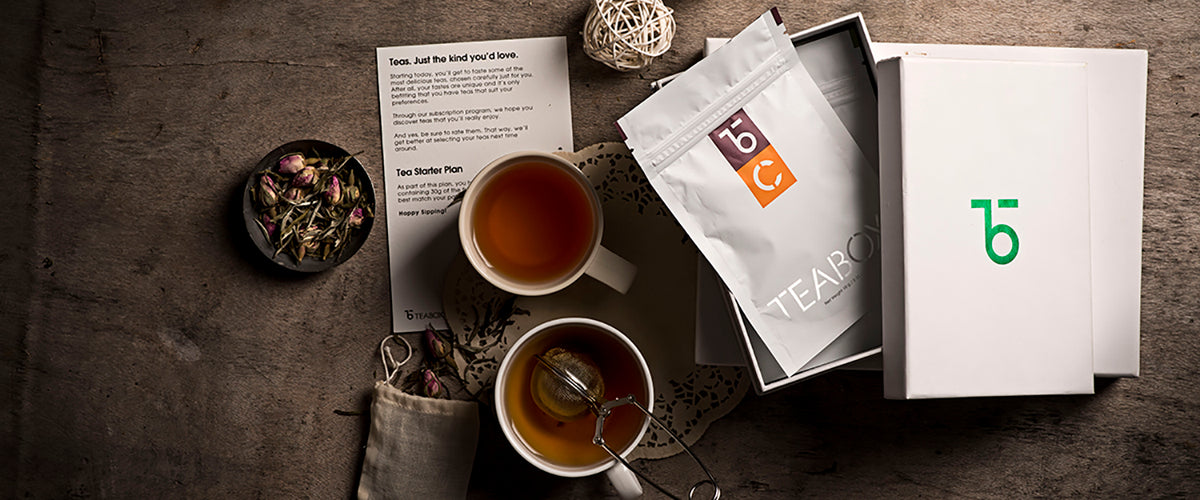
Tea does not expire the way fresh food does, but it does go stale: kept airtight, dark, cool and dry, most loose leaf tea and tea bags taste their best within about a year of being made. After that the cup slowly turns flat rather than unsafe. This guide covers what spoils tea, the best containers, where to keep them, whether the fridge helps, how long each type of tea lasts, and how to tell when yours is past its best.
At a glance
- Does tea expire?No hard expiry; it goes stale, not bad
- Best withinAbout a year of making, stored well
- Shelf life, our 2023 spec24 months for true teas; 6 to 18 months for herbal
- Tea bagsSame rules; broken leaf usually fades sooner
- Four enemiesMoisture, light, oxygen and heat
Does tea expire, or can tea go bad?
Dry tea that has been stored properly does not go bad the way milk or bread does; it goes stale. Over months it loses aroma and flavor, and the cup becomes thin and dull.Read more
The one real exception is tea that has got damp: damp leaf can turn musty or grow mold, and then it belongs in the bin, not the pot.
We often put it this way: “Teas taste best when they’re fresh. Much like vegetable and fruit, teas do go stale over time. They lose flavor and aroma and become flat.”
How long does tea stay good?
So the useful question is not “does tea expire?” but “how long does tea stay good?” Stored well, most tea is at its best within about a year of being made. Our quality team’s tea specification, issued in April 2023, sets the outer limit: a shelf life of 24 months “under proper storage condition” for black, green, white and oolong teas, plain or flavored. Herbal tisanes get 6 to 18 months, and wellness blends 12 months.
Those two figures do not contradict each other. Twenty-four months is how long the tea stays sound and true to type; the first year is when it tastes most alive. Robust black teas hold up longer than delicate ones, and the old Tea 101 advice was that black tea can stay fresh for about two years, green and white tea for about one. The more a tea is oxidized during making, the longer it tends to keep, which is why a malty Assam outlasts a delicate green.
What the date on the pack tells you
The date printed on a pack is a best-before guide to quality, not a safety cut-off. Look for the packing or manufacturing date too: it tells you where in its life the tea is. When we redesigned our packs in 2015, we put the packaging date on every packet, along with brewing instructions and tasting notes.
The packing date is not the picking date. As we wrote in 2014, the two “are independent events.” Our tea reaches the cold store in bulk vacuum packs of about 20 kg and is “repacked in 100 gram vacuum packs” later, in batches. So a spring tea plucked in March may carry a later packing date. The leaf has been kept cold and airtight in between, which is why a later packing date does not mean older-tasting tea.
That tin held a tea still in our range, Nilgiri Havukal Winter Frost Black; its 24 months match our 2023 specification.
What makes tea go stale?
Four things spoil tea: moisture, light, oxygen and heat. We call them the four enemies of tea, and every storage rule we give is a way of keeping one of them out. A fifth, strong smells, does not stale the leaf but taints it.Read more
“Moisture, Light, Oxygen and Heat are the 4 enemies of tea.” Exposure to any of them makes tea stale and tasteless; stored right, tea keeps its flavor far longer.
- Moisture: Tea is hygroscopic: dry leaf readily absorbs water from the air, and that damp robs it of freshness fast. Kausshal Dugarr, our founder, puts it plainly: “Ensure the dry leaves do not have any moisture or off-notes as it corrodes flavor and weakens the strength of the tea. This is applicable for ALL kinds of teas and that is why it is essential to store teas correctly.”
- Light: Sunlight fades the leaf and its flavor. Tea in a clear jar on a bright shelf can lighten in color and lose its aroma.
- Oxygen: Air slowly flattens tea: oxidized leaf makes “flat tea with no flavor or briskness or astringency.” Open air also brings dust and damp.
- Heat: Warmth speeds up every change in the leaf. “Heat causes leaves to perspire and renders them tasteless,” and a hot, humid storeroom is the worst place for tea.
- Smells: Loose tea next to spices, cheese or soap can pick up their odor and develop an unpleasant flavor.
Why moisture is the one to watch
Of the four, moisture does the most damage, and it is the hardest to keep out. Our 2015 freshness story called it “one of the biggest ones to tackle”: teas “go rapidly stale in the presence of excess moisture.” It is also the test that tea arriving at our facility fails most often. In our quality index, straight teas passed every other check, from foreign matter to sensory, far more reliably than they passed on moisture. If carefully made tea can pick up damp between factory and warehouse, a tin left open beside a steaming kettle has little chance.
Which teas fade first
Delicate teas show the damage first. A Darjeeling first flush, a green or a white tea gets most of its charm from fragile, fresh aromas, and those are the first to go.
The shape of the leaf matters too. In our own notes on tea making, “the more tightly rolled, the better the leaf’s ability to retain freshness.” A tightly rolled oolong or a wiry orthodox leaf shows little surface to the air. Small broken leaf, the kind in most tea bags, shows a great deal, so it stales faster.
How should you store tea at home?
Keep tea in an airtight, opaque container such as a metal tin or a resealable foil pouch, in a cool, dry, dark cupboard away from heat, steam and strong smells, and not in the fridge.Read more
How long does tea last? A type-by-type guide
Stored well, most tea is at its best within about a year of being made; the more oxidized the tea, the longer it holds its character. Green, white and spring teas fade first; strong black teas keep longest. These are guides to flavor, not deadlines.Read more
The middle column is when each tea tastes most like itself. The right-hand column is the shelf life our quality team’s April 2023 specification gives for each type, kept sealed in “a cool, dry place.”
| Tea | At its best | What fades first | Shelf life, our 2023 spec |
|---|---|---|---|
| Green tea | Within about a year; sooner is better | Fresh, grassy and vegetal notes; the cup dulls toward hay | 24 months |
| White tea | Within about a year | Delicate floral, honeyed aromas | 24 months |
| Darjeeling first flush | Within about a year of being made | The bright, flowery spring top notes | 24 months |
| Oolong | About a year; darker oolongs keep better than light, floral ones | Floral aroma | 24 months |
| Black tea (Assam, second flush, autumn) | About a year at peak; well stored, keeps longer (old Tea 101: about 2 years) | Briskness and aroma; body lasts longest | 24 months, orthodox or CTC |
| Tea bags | Within about a year; often fade sooner | Aroma, because the small, broken leaf has more surface exposed to air | Follows the tea inside |
| Masala chai and spiced blends | Within about a year | The spices’ aroma, before the tea | 24 months for flavored black and CTC teas |
| Matcha (opened) | Use quickly once opened | Bright green color and fresh taste | Not listed separately |
| Herbal tisanes, such as chamomile or hibiscus | Sooner than true tea | Aroma | 6 to 18 months |
| Wellness blends | Within the year | Aroma | 12 months |
Two habits matter more than any table. Buy amounts you will drink in a few months, especially for green, white and spring teas; a trial pack of small packs lets you try many teas while each is fresh. And save the long keepers for the long haul: a malty Halmari Summer Black from Assam will hold up longer than a spring green.
How old is “fresh” when you buy? Our writer Peter Keen found that a Darjeeling can take anything from “two weeks or less (best-practice logistics) to around six months (standard practice)” to reach a buyer abroad. In 2017 he noted that China teas sold in the US and Europe “are over a year old and packaged consumer brands as much as two.” So a tea can spend much of its best year in transit before it reaches your cupboard. For when each flush is made, and so how old a “fresh” tea really is, see Seasons of tea.
How long do tea bags last, and can tea bags go bad?
Tea bags follow the same rules as loose leaf: they go stale rather than bad, and they are at their best within about a year. Keep the box closed, dry and away from the stove, and throw out any bag that has got damp.Read more
Most ordinary tea bags hold small broken leaf, which has far more surface exposed to air, so they tend to lose aroma sooner than whole leaf. The bag itself does not help. As our founder wrote when we launched our own, “in the time it takes to fill, produce and ship the average tea bag, the quality of the tea has already deteriorated,” because “the tea is continuously exposed to air and therefore affected by moisture and oxygen.” Many tea bags carry no date at all; in 2016 one of our writers found that only a few firms print “best used by” on them, and that the average shelf life given was two years.

Why individually sealed bags keep best
Individually sealed bags keep best. We started in 2012 with loose leaf only and held back from tea bags until we could keep them fresh: our TeaPacs, launched in October 2016, were packed in their own sachets sealed at source with a natural nitrogen flush.
The idea came from an unlikely place. “Potato chips! That was the A-ha! moment,” our founder wrote: chip makers use nitrogen, an inert gas that “preserves freshness by displacing all other gases,” and our team spent six months of trials adapting it to single-serve packets of whole leaf tea. The full story is in Introducing TeaPacs – Groundbreaking innovation from Teabox. The first range came in 18 flavors, from English Breakfast to spiced blends. See our tea bags.
A sealed sachet means each bag meets the air only when you open it. Keep unopened sachets in their box, in the same cool, dark cupboard as your loose leaf, and use any opened one straight away.
How can you tell if tea is stale?
Smell it, look at it, then brew it: stale tea smells faint or dusty, looks dull, and brews a flat, thin cup even when you make it correctly.Read more
- Smell the dry leaf: Fresh tea has a clear, lively aroma as soon as you open the pack. Stale tea smells of very little, or of cardboard and dust. A musty, damp or moldy smell means throw it away.
- Look at it: Leaf that has faded, gone grayish or lost its sheen has probably seen too much light or air.
- Feel it: Dry tea should be crisp. Leaf that feels soft or clumps together has taken on moisture.
- Brew it: Make a cup with the usual leaf, water temperature and time. A flat, dull cup with little aroma means the tea is past its best.
Our tasters judge incoming lots the same way, only more strictly. Each lot is checked for moisture and scored in a sensory test, and it must score above 7 to pass. At home you only need your nose and one honest cup.
Check the brew before you blame the tea
Water that has been reboiled, or is far too hot for a green tea, can make even fresh leaf taste tired. “One of the most common complaints about tea is that it is too bitter. This is almost always because of the water, not the tea.” See How to brew loose leaf tea and our story on getting the water right.
A dry, dedicated scoop such as the Ideal Teaspoon also helps: a damp spoon dipped into the tin is one of the most common ways moisture gets in.
Is it safe to drink old tea?
Dry tea that has been kept sealed, cool and dry is generally fine to drink after its best-before date; it will just taste flatter. If it smells musty or shows any sign of mold, do not drink it. Stale but sound leaf still makes a decent strong, milky chai, where the spices and milk carry the cup.
How does Teabox keep tea fresh from estate to door?
By keeping the journey short, the tea sealed and the four enemies out at every step: most tea passes through auctions, exporters, importers, wholesalers and retailers before it reaches a cup, and we cut that five-stage chain down to two.
Read nextHow Teabox keeps tea freshOur cold store, vacuum packs and moisture limits, and why a short journey matters, from estate to doorHow to store tea: FAQ
How long does loose leaf tea last?
Kept airtight and away from light, heat and moisture, loose leaf tea is at its best within about a year of being made. Green, white and first flush teas fade first; strong black teas such as Assam keep their character longer. Our 2023 quality specification gives true teas a shelf life of 24 months under proper storage. After that, tea does not go bad; it slowly tastes flatter.
Does tea expire?
Not like fresh food. Tea goes stale rather than bad, so the date on the pack is a best-before guide to flavor, not a safety limit. The exception is tea that has got damp: throw away any leaf that smells musty or shows mold.
Is it safe to drink old tea?
Dry tea that has been stored sealed, cool and dry is generally fine to drink past its best-before date, though it will taste weaker and duller. Do not drink tea that has been exposed to damp, smells musty or shows any sign of mold.
Can tea bags go bad, and how long do tea bags last?
Tea bags go stale rather than bad, and are at their best within about a year. Because most hold small broken leaf, they often lose aroma sooner than whole leaf. Keep the box closed, dry and away from heat, and discard any bag that has got damp.
Should I store tea in a glass jar?
Only inside a dark cupboard. Light fades tea, so a clear jar on an open shelf or a sunny windowsill is a poor choice. An opaque metal tin or a resealable foil pouch is better.
Can I keep tea in the fridge or freezer?
Not for everyday tea. Moisture condenses on cold leaf each time you take it out, and fridges are full of smells that tea absorbs. A cool, dark, dry cupboard is better; opened matcha is the usual exception.
What does the date on my pack mean?
We print the packaging date on every pack, so you know when your tea was sealed. The leaf may have been picked some months earlier and held in our cold store; picking and packing are separate events. Our 2023 specification gives true teas 24 months from there, kept cool and dry.
Why has my tea arrived as a hard block?
That is the vacuum, not damp. Vacuum packing draws the air out and presses the leaf together, so a pack, especially of chai, can feel solid. If the tea smells fresh and feels dry, loosen it gently with your fingers or a dry spoon.
Keep reading
Sources
- Teabox Tea 101: The best way to store tea (how-to-store-tea)
- Teabox blog (Still Steeping): The story behind Teabox’s new brand identity (2015); The Element of Water: Get Your Tea Right (2021); Introducing TeaPacs – Groundbreaking innovation from Teabox (2016); Where can we find the earliest reference to tea? (2016); How the Teacup Got Its Handle (2016); Microwaved, tepid, rolling boiling? Water for tea! (2016); From Bush to Cup: The Logistics of Tea (2016); At a fast clip: Shipping tea from China (2017)
- Teabox blog (Still Steeping) stories cited without a link: How Teabox ensures its teas are fresh, 2015; 5 lies you’ve been told about tea, 2014; The picky person’s guide to a good cup of tea while traveling, 2016. Also read: Obituaries: Stale, Bad, Bagged Teas, 2016 (satire, no facts used)
- Teabox Drive: Teabox quality team glossary, based on IS 4541; Teabox internal document, 2015; Teabox internal document, 2018; Teabox internal document, 2015; Teabox internal document, 2016; Teabox internal document, 2023; Teabox internal document, 2018; Teabox internal document; photos as credited
- Teabox product descriptions, 2026; an earlier Teabox tin label (Havukal Special Winter Frost)
- Teabox on Instagram (@teabox.tea): heat sources, Apr 2016, dual-toned tin, May 2016, TeaPacs, Oct 2016, TeaPac flavors, Oct 2016, tea goes stale, Nov 2017, TeaPacs, May 2018, four enemies, Jun 2018, four enemies, May 2020, −5°C storage, May 2020, hygroscopic leaf, May 2020, reuse tins, Apr 2021, storage pouch and pack sizes, Nov 2021, Makaibari harvest, Sep 2021, freshness Masterclass, Jun 2022, monsoon storage, Jul 2022, vacuum packs, Mar 2024, garden to pack, Jan 2026
- Kausshal Dugarr on X (@Teapreneur): traceability, Sep 2019, moisture and off-notes, Oct 2021, JIT buying, Aug 2022, 125+ countries, Aug 2026
- Teabox on YouTube: Why tea should be consumed fresh (Masterclass), Is your Darjeeling tea fresh? (Shorts)

Leave a comment
All comments are moderated before being published.
This site is protected by hCaptcha and the hCaptcha Privacy Policy and Terms of Service apply.