



Tea does not expire the way fresh food does, but it does go stale: loose leaf tea and tea bags slowly lose aroma and flavor, so most tea tastes best within about a year, kept airtight, dark, cool and dry. This page gives short answers to the tea questions we are asked most, from brewing loose leaves to milk, chai and caffeine. Each answer links to the Tea 101 guide that goes deeper, and two companion pages take the brewing and the freshness questions further.
At a glance
- Where tea comes fromOne plant, Camellia sinensis
- Main typesBlack, green, white, oolong
- Herbal “teas”Tisanes; usually no tea leaf
- Leaf per cup2–2.5 g (a heaped teaspoon) per 250 ml
- Cups in a 100 g packAbout 40, at 2.5 g a cup
What is tea, exactly?
Tea is the dried leaf of one plant, Camellia sinensis, and every black, green, white and oolong tea comes from it.Read more
What makes them different is how the leaf is made after plucking, not which bush it grew on. Start with What is tea? The tea plant explained.
Do different teas come from different plants?
No. It is the myth we hear most often, and our answer never changes: all teas come from the same plant, Camellia sinensis, and they differ in the way they are made, from plucking to processing. There are four main types, the four that India makes; Chinese tradition adds yellow and dark teas to make six.
Our staff training deck says the same thing in its own words: all four basic categories of tea “are made out of leaves of the same tea plant,” and “it’s the way you process the tea leaves that makes it black, white, oolong or green.”
The main difference is oxidation. White tea is barely processed, green tea is heated early to stop oxidation, oolong is partly oxidized and black tea is fully oxidized. See Types of tea: a beginner’s guide and How tea is made.
Are herbal teas really tea?
Not strictly. Herbal teas, or tisanes, are infusions of dried herbs such as mint, fruit such as apple, flowers such as chamomile and hibiscus, spices such as ginger and cinnamon, and roots, berries and seeds. Most contain no tea leaf; we call them teas because they are brewed the same way. See Herbal tea (tisanes).
Our training deck describes a tisane as “typically a blend of fruits, flowers, roots, berries, seeds and even spices,” made without tea. Our Pure Chamomile, for example, is nothing but whole chamomile flowers, handpicked in the foothills of Uttarakhand.
Are Assam and Darjeeling teas CTC or orthodox?
Darjeeling tea is almost all orthodox: whole or large leaf, rolled the traditional way. Assam makes both orthodox whole leaf teas and CTC (crush, tear, curl), the small granules behind most Indian chai. Read Orthodox vs CTC tea.
The balance changes from garden to garden. Doomni, an Assam garden we buy from, makes about 88% CTC and 12% orthodox, and its orthodox teas consistently fetch premium prices.
Why is matcha different from other green teas?
With other teas you steep the leaf and throw it away. With matcha, the leaf is ground to a fine powder and whisked into water, so you drink the whole leaf. More in What is green tea?
Our Pure Japanese Matcha is made in Shizuoka, Japan, from shade-grown tea: only the youngest tencha leaves are chosen and stone-ground into a fine, vivid green powder.
How do I choose a tea I’ll like?
Start from the flavor you enjoy, light and floral, citrusy, or strong and malty, then look for an estate, a flush and a year on the label.Read more
Those three details tell you far more than a brand name. Words on the label are explained in Tea grades explained and the Tea glossary.
I like light, floral teas. What should I try?
Try a Darjeeling first flush or a white tea. A spring white such as Margaret’s Hope Spring Moonlight White, from an estate whose slopes run from 3,500 to 6,000 feet in the Kurseong Valley, is a good place to start.
Our tasters picked it for its restraint. They found a recent Moonlight “exceptionally smooth and tipped with delicate fragrance and flavors of white flowers,” quieter than most Darjeeling whites, with their heady aromas, and memorable for “its subtle complexity and velvety texture.” See What is first flush tea? and What is white tea?
Which teas have a citrus flavor?
The best known is Earl Grey: black tea scented with bergamot, a citrus fruit. Our Classic Earl Grey Citrus Black pairs malty Assam black tea with pure bergamot extract. Teas blended with lemon or orange suit the same taste. See Earl Grey tea.
Our tea masters made it by taking the traditional Earl Grey blend apart and rebuilding it around the Assam base, and our tasting notes describe a cup that is “intensely sweet, robust, brisk,” with “notes of caramel, bergamot and malt.”
Which Nepal tea is most like a Darjeeling?
Nepal’s eastern hills sit next to Darjeeling, and many of their teas share its light, floral style. Nepal teas were long seen as Darjeeling’s poor cousins, but they have come into their own; taste them for their own qualities, not as a substitute. Read Nepal tea. The difference our founder notices is texture: Nepal black tea is “typically slightly softer and a little woodier” than a Darjeeling.
Why does single-estate tea matter?
Because it tells you where your tea came from and when it was made. Our founder, Kausshal Dugarr, puts it this way: “That is why traceability is so important in tea/chai. You consume it daily from big brands but have no clue where they come from at the end of day!”
On our pages that traceability is a batch number. Our training deck explains that single-estate tea is “sold by the name of the estate with an invoice no.” Our Badamtam Spring Moonlight White, for example, carries invoice EX-5, the estate’s own reference for that lot, along with its grade and date of picking.
We source from 250+ Indian estates, and our tasters sample every lot before it is listed: 1,578 cups of First Flush 2022 and 11,456 Darjeeling cups by late October 2022 alone. For the seasons behind the label, see Seasons of tea.
How do you make tea with loose leaves?
Heat fresh water, use about 2 to 2.5 g of leaf (a heaped teaspoon) per 250 ml cup, pour the water at the right temperature for the tea, steep for the time on the pack, then strain and taste.Read more
That is all a loose leaf infuser, teapot or strainer has to do. The full method for every type is in How to brew loose leaf tea.

Step by step: a cup of loose leaf tea
- Heat fresh water. Use freshly drawn, filtered or good spring water, and do not reboil water that has stood in the kettle. Distilled water makes a flat, bland cup. The Element of Water: Get Your Tea Right
- Measure the leaf. About 2 to 2.5 g, roughly one heaped teaspoon, per 250 ml (8 oz) cup. An Ideal Teaspoon takes out the guesswork.
- Pour at the right temperature. Cooler water for green and white tea, water just off the boil for black tea (see the temperature table in our brewing questions page).
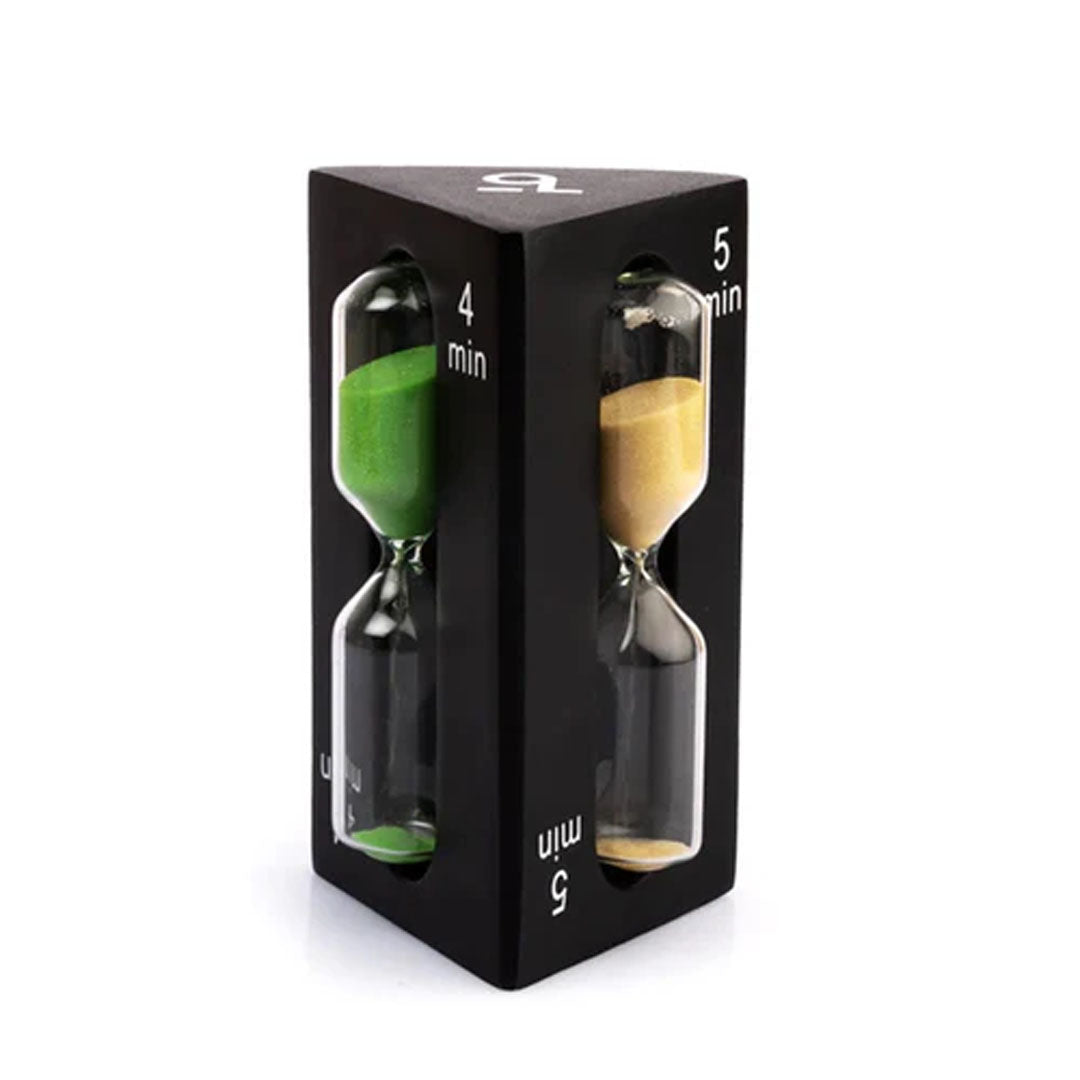
- Steep and time it. Usually 2 to 5 minutes. A longer steep makes a stronger, more bitter cup; for strength, add more leaf instead.
- Strain and taste. Remove the leaf so the tea stops brewing. Good whole leaf teas will often give a second infusion.
Our tasters are stricter at the tasting bench: they weigh 2.5 g of each tea, not 2.4 g or 2.6 g, so that every cup on the table can be compared fairly. At that measure a 100 g pack makes about 40 cups, the figure given on our product pages.
Read nextTea brewing questionsWater temperature for every tea, steeping time, bitterness, how much leaf to use and second infusionsWhich teas go with milk, and what is chai?
Strong, full-bodied black teas take milk well: most Assam teas, especially summer Assams, breakfast blends and nearly every chai.Read more
Delicate teas such as Darjeeling first flush, green and white tea are best plain, because milk hides their flavor. Our staff tea quiz gives the same answer to “Which teas usually go well with the addition of milk?”: “Assam, Breakfast and CTC Teas.” Browse our Assam and breakfast teas, or read Assam tea for milk tea and What is English Breakfast tea?
Should you add milk to tea at all?
It is a matter of taste and upbringing, not right or wrong. Writing on our blog, Ian Bersten traces the habit to places with plenty of dairy: Mongolians drank tea with milk and the Chinese did not, and London’s model dairy, opened in 1855, helped spread milky tea there. On milk first or last, he doubts anyone could reliably taste the difference. Read Should you add milk to tea? Our advice: taste a new tea plain first, then decide. After that, the way you like it is the best way to drink it.
What is the difference between tea, chai and masala chai?
In India, chai is tea made the Indian way: usually strong CTC tea cooked with milk and sugar. Masala chai adds spices such as cardamom, cloves and fennel. As our founder puts it: “Please repeat after me: Tea ≠ Chai.” Our Kadak Chai is chai without the masala: a strong black tea blend from Assam and the Dooars with no spices in it, so you can add your own. See What is chai?
What is the best tea for masala chai?
A strong CTC tea, which stands up to milk and spices. Tea 101 suggests matching the grade to the spices: a small grade such as BP (Broken Pekoe) for small spices like cardamom, a larger grade such as BOPSM for chunky ones like star anise. Our staff quiz names BOPSM, BP and PF as the usual base for masala chai in India, because they “make for strong, gutty liquors.”
Or start with a ready blend such as Teabox Kadak Chai, from Assam and Dooars, or Assam Masala Chai, spiced with cinnamon, black pepper, cardamom, clove and ginger. Recipe: How to make masala chai at home. One thing not to do: make chai from a tea bag. Our founder’s view is that you should never, ever do that.
Are all chais drunk with milk?
No. Any tea can be drunk plain, and milk is used mainly to balance a strong chai. Kashmiri Kahwa is the exception that proves it: a green tea base with saffron, cardamom, cinnamon, cloves and almonds, always served without milk. See Kashmiri kahwa.
Does tea expire, and how should you store it?
Tea has no hard expiry date, but it is an agricultural product and it goes stale: the longer it sits, the more aroma and flavor it loses, until the cup tastes flat.Read more
Stored well, most tea is at its best within about a year of being made. The best-before date printed on our packs, 24 months from manufacture, is the outer limit, not the peak. Full advice is in How to store tea.
Do tea bags go stale faster?
Usually, yes. The small broken leaf in most bags has far more surface open to the air than whole leaf, so it loses aroma sooner. When we launched our own tea bags, TeaPacs, in 2016, we borrowed the natural nitrogen flush that keeps potato chips crisp and sealed each one in its own sachet; the story is in Introducing TeaPacs – Groundbreaking innovation from Teabox.
Whatever you buy, the rules at home are the same: keep it airtight, dark, cool and dry, away from the stove and from strong smells.
Read nextTea freshness questionsShelf life, what the dates on a pack mean, tea bags, the four enemies of tea, and how we keep our teas freshDoes tea have caffeine, and is it good for you?
All tea from the tea plant contains caffeine: Tea 101 puts a cup of black tea at about 50 mg and green tea at about 20 to 45 mg, against about 90 to 95 mg in a cup of coffee.
Herbal tisanes with no tea leaf are naturally caffeine free. Caffeine varies with the leaf, how much you use, the water temperature and how long you steep. See Caffeine in tea.
Does tea have more caffeine than coffee?
Not per cup. A cup of black tea has roughly half the caffeine of a cup of coffee, and white tea is generally on the lower side of green; oolong sits between green and black. Masala chai has about the same as black tea, because it is black tea. Compare them in Tea vs coffee.
Teabox has never lab-tested its own teas for caffeine, so instead of milligram figures every Teabox tea page carries a rating: High, Medium, Low or Caffeine Free. Our breakfast blends, chais and matcha are rated High, most single-estate blacks Medium, and our green teas and Silver Needle Low.
Do all teas have the same effect on health?
No two teas are quite the same: black, green, white and oolong are processed differently, so they carry different levels of caffeine and of natural compounds such as polyphenols. Research on what those differences mean is still going on, and we do not make health claims for any tea. Read Health benefits of tea for what studies have and have not shown.
Our advice follows Peter Keen, who weighed the research for our blog in 2016: “Go for the taste and you’ll get the benefits if they exist and the enjoyment even if they don’t.”
Can tea help you lose weight?
No research has shown that tea on its own makes people lose weight. Plain tea, without milk or sugar, has almost no calories, which is the honest point in its favor. As that 2014 post put it, tea is not a “magical elixir”: if it were, “we folks at Teabox have chugged enough to become superhumans.” See Tea and weight loss.
Can I drink tea when I’m pregnant?
That is a question for your doctor or midwife, mainly because of caffeine, and the same goes for herbal infusions. For background before that conversation, see Tea during pregnancy.
Quick answers
Short answers to the questions readers ask us most.Read more
Do tea bags go stale?
Yes. Tea bags lose aroma and flavor over time, usually faster than whole loose leaf, because the small broken leaf inside has more surface exposed to air. Keep them sealed, dry and dark, and choose individually sealed, whole leaf bags. See How to store tea.
Does tea expire?
Not like fresh food. Tea goes stale rather than bad: kept airtight, cool, dark and dry, most tea is at its best within about a year of being made, then slowly tastes flat. Throw away any tea that has got damp, smells musty or shows mold.
How do you make tea with loose leaves?
Use about 2 to 2.5 g of leaf (a heaped teaspoon) per 250 ml of freshly heated water, at 75 to 80°C for green tea or just off the boil for black tea. Steep 2 to 5 minutes, strain and taste. See How to brew loose leaf tea.
How many cups does a 100 g pack of tea make?
About 40 cups, at 2.5 g of leaf a cup, which is the figure our product pages give. A heavier hand, a large mug or a strong chai will use more leaf per cup, and good whole leaf teas that take a second infusion stretch a pack further.
Which tea is best with milk?
Strong black teas: Assam, breakfast blends and chai. Darjeeling first flush, green and white tea taste best plain.
Does herbal tea have caffeine?
Herbal tisanes made only from herbs, fruit, flowers or spices are naturally caffeine free. Blends that include green or black tea leaf do contain caffeine. Read the ingredients, not just the name: our Pure Chamomile is caffeine free, while our Chamomile Green blends chamomile flowers with whole leaf green tea, so it has caffeine.
Does Teabox sell decaf tea?
No, we do not sell decaf tea at present. Decaffeinated tea is lower in caffeine but never caffeine free. For a gentler cup, try a green or a white tea brewed gently, or a caffeine-free herbal tea in the evening. See Caffeine in tea.
Are green, black, white and oolong tea from different plants?
No. All four come from Camellia sinensis; they differ in how the leaf is processed, above all how much it is oxidized. See Types of tea.
Keep reading
Sources
- Teabox Tea 101: FAQs
- Teabox blog: Should you add milk to tea? (2015), The Element of Water: Get Your Tea Right (2021), Microwaved, tepid, rolling boiling? Water for tea! (2016), The Teaspoon: Measure, Stir, Display or Steal? (2016), Introducing TeaPacs – Groundbreaking innovation from Teabox (2016)
- Teabox blog: From Bush to Cup: The Logistics of Tea (2016), The beginner’s guide to choosing a Darjeeling (2017), Two-foot tea and the Bengali (2016), What I learned at my first ever tea tasting (2016)
- Teabox blog (Still Steeping): 5 lies you’ve been told about tea (2014), How Teabox ensures its teas are fresh (2015), Beyond the tea bag (2016), Tea vs health (2016)
- Teabox product descriptions and product data (tasting notes, invoice numbers, picking dates, freshness journey, cups per pack, caffeine ratings), October 2026: Pure Chamomile, Pure Japanese Matcha, Doomni Gold Summer Black, Margaret’s Hope Spring Moonlight White, Badamtam Spring Moonlight White, Classic Earl Grey Citrus Black, Darjeeling Green Tea, Castleton Summer Muscatel, Teabox Kadak Chai, Assam Masala Chai, Kashmiri Kahwa, Chamomile Green
- Teabox Drive: Teabox internal document (2023); Teabox internal document (Jan 2022); Teabox quality team glossary, based on IS 4541 (2016); Teabox internal document (Apr 2023); Teabox internal document (2021); Teabox internal document (2015); Teabox internal document (2021); Teabox internal document (Dec 2022); Teabox internal document (2016); photos as credited
- Teabox on Instagram (@teabox.tea): tea goes stale, Nov 2017, TeaPacs, May 2018, four enemies, Jun 2018, matcha, Feb 2019, -5°C storage, May 2020, chai with or without milk, Sep 2020, 2.5 g samples, Apr 2021, bitter green tea, Sep 2021, pack sizes, Nov 2021, one plant, Mar 2022, monsoon storage, Jul 2022, 11,456 cups, Oct 2022, garden to pack, Jan 2026
- Kausshal Dugarr on X (@Teapreneur): tea and chai, Jul 2020, Nepal and Darjeeling, Oct 2021, chai from tea bags, Dec 2021, traceability, Jan 2022, First Flush 2022 cups, May 2022, fine teas and bags, Aug 2022, 45 days of stock, Aug 2022, hand sorting, Dec 2022, 125+ countries, Aug 2026
- Teabox on YouTube: Why tea should be consumed fresh (Teabox Masterclass)

Leave a comment
All comments are moderated before being published.
This site is protected by hCaptcha and the hCaptcha Privacy Policy and Terms of Service apply.