


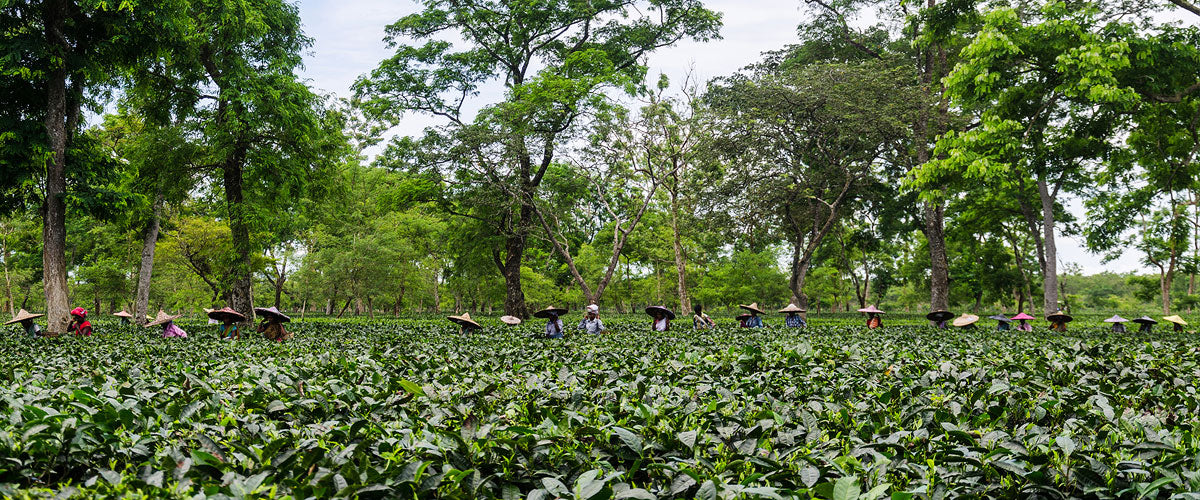
Assam Tea: A Guide to Assam Black Tea and Its Malty Taste
Assam tea is black tea grown in the Brahmaputra valley of Assam, in northeast India, from the region’s native tea plant, Camellia sinensis var. assamica.
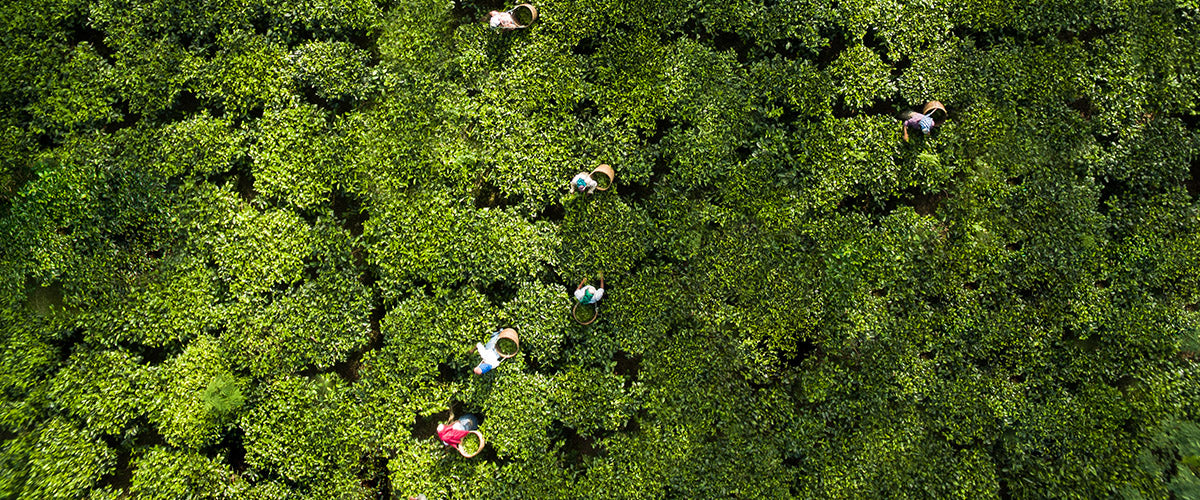
Indian Tea: The Complete Guide to India’s Teas, Regions, Chai and How to Choose
Indian tea is tea grown and made in India, mostly black tea, from regions such as Assam, Darjeeling and the Nilgiris.
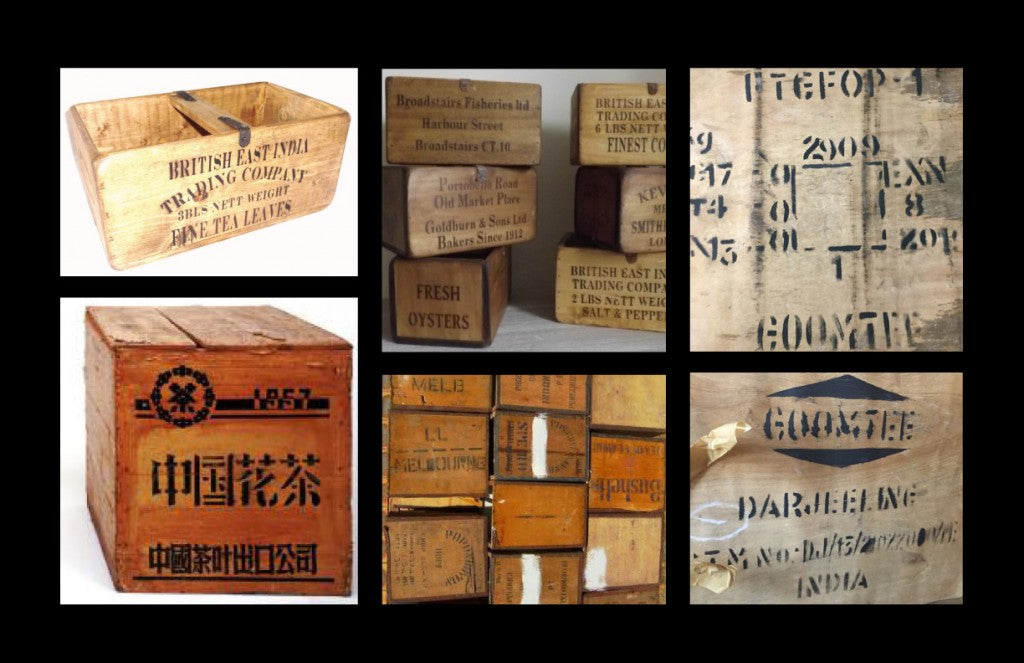
How Tea Came to India: The Singpho, the British and the Making of a Tea Nation
Tea grew wild in Assam long before the British arrived: the Singpho people of Upper Assam brewed it from their own gardens.
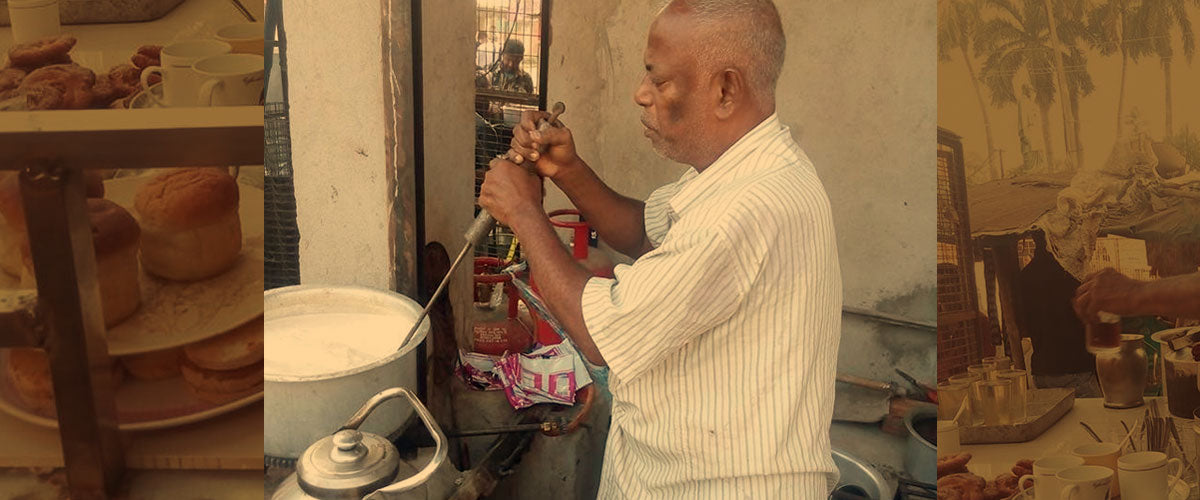
How India Drinks Tea: Chai, Cutting, Kahwa and How to Make Indian Tea
Most of India drinks its tea as chai: strong black tea, usually Assam CTC, boiled in one pan with milk and sugar, often with spices such as cardamom and ginger.
How to Choose and Buy Indian Tea: Labels, Taste and Buying from Source
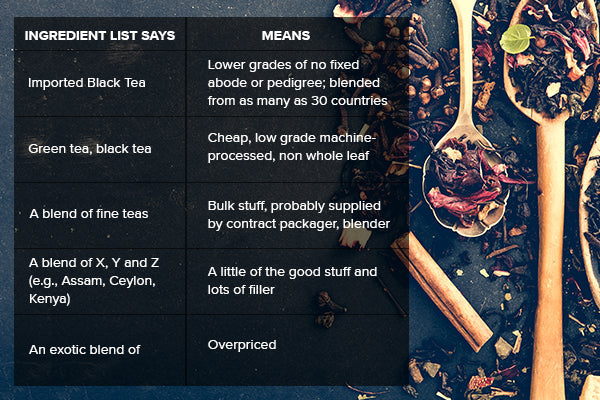
A good Indian tea label names the region, the estate, the flush, the tea type, the grade and the year.
Indian Tea Regions: Where Tea Is Grown in India, from Darjeeling and Assam to the Nilgiris
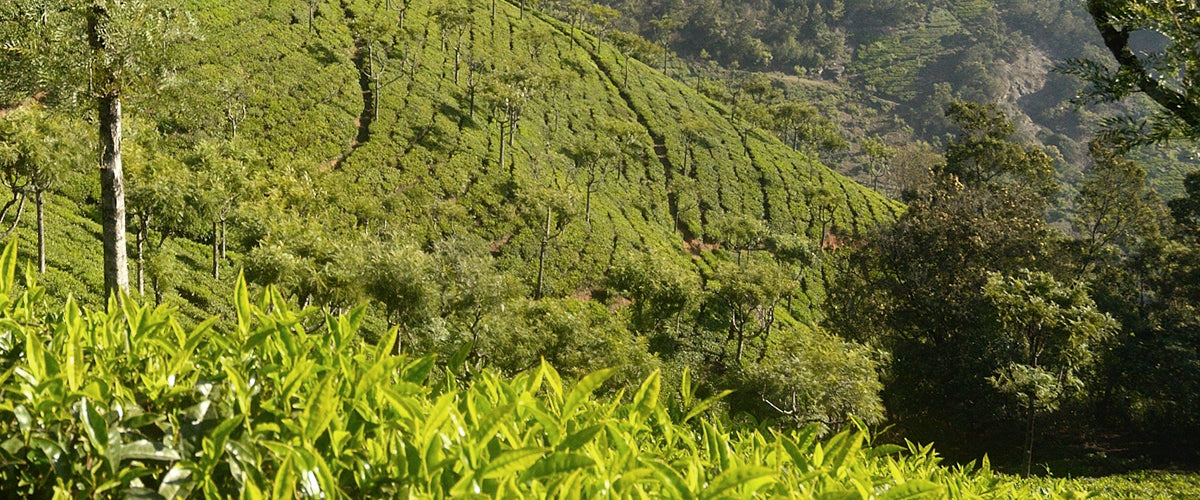
India grows tea in two main belts: the northeast, home to Darjeeling, Assam, Sikkim, the Dooars and Meghalaya, and the hills of the south, home to the Nilgiris and Munnar.
Darjeeling, Assam and the Nilgiris: India’s Three Great Tea Regions
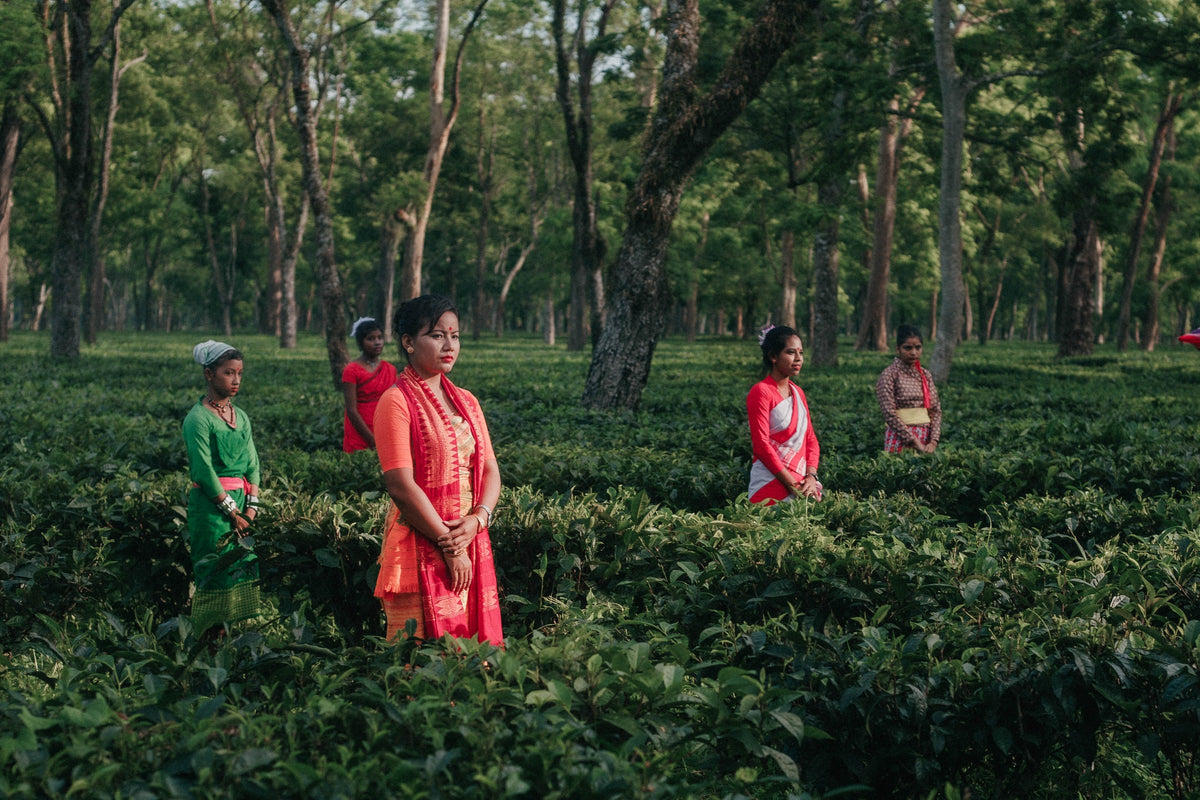
India has three famous tea regions: Darjeeling in the Himalayan foothills, Assam in the Brahmaputra valley and the Nilgiris in the hills of the south.
India’s Smaller Tea Regions: Sikkim, Meghalaya, Kangra, Munnar, the Dooars and Arunachal
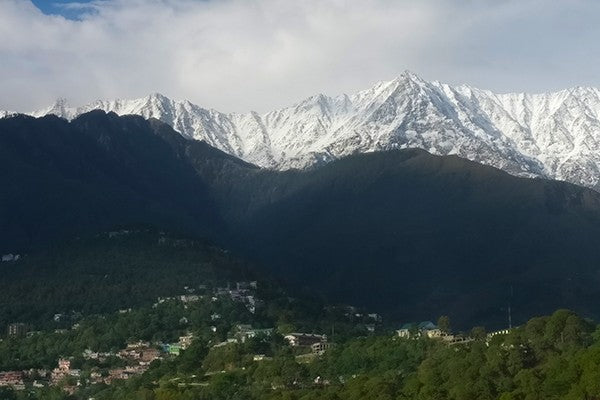
Beyond Darjeeling, Assam and the Nilgiris, India grows tea in Sikkim, Meghalaya, Kangra, Munnar, the Dooars and Terai, and Arunachal Pradesh.
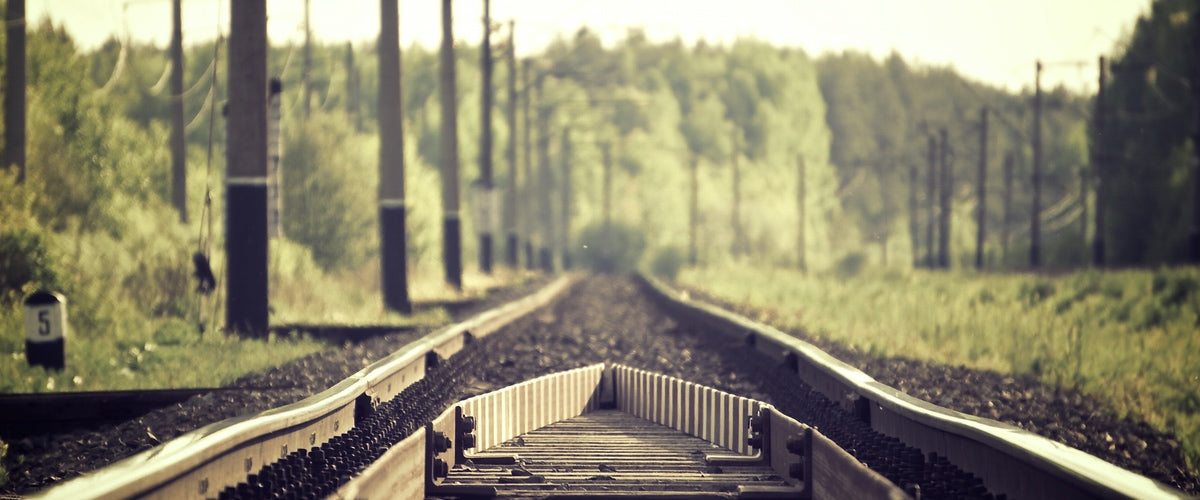
How Tea Came to India’s Regions: From the Singpho to the First Gardens and Tocklai
The tea plant grew wild in northeast India long before anyone farmed it, and the Singpho people of Assam were brewing it for generations; commercial tea came with the British, who set up the first ...
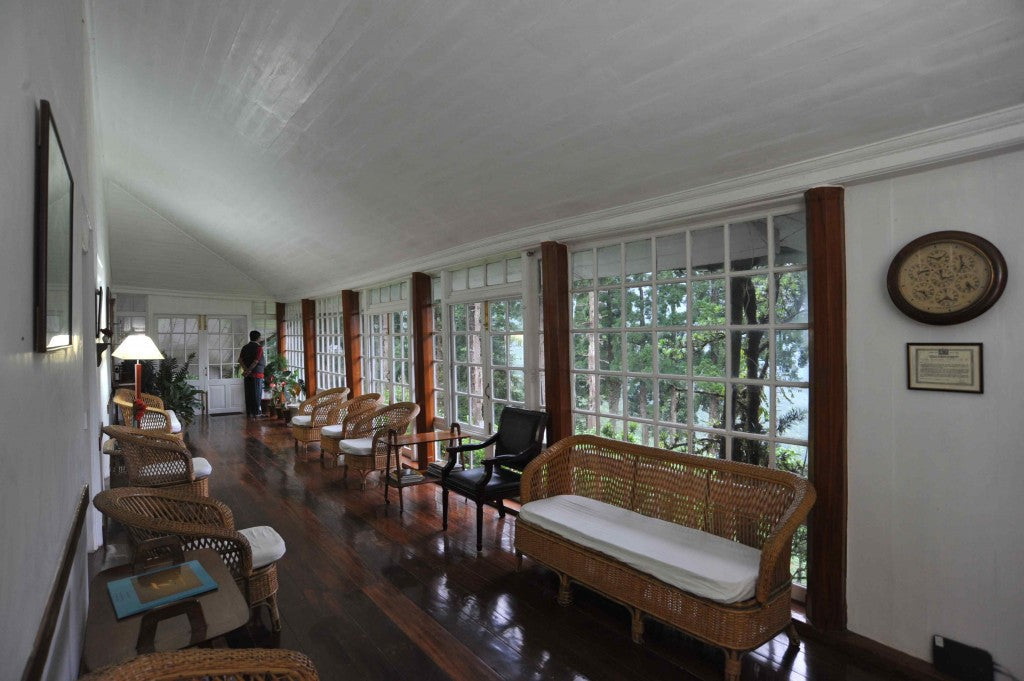
Visiting India’s Tea Gardens: Estate Bungalows, Toy Trains and Tea Tours
Several of India’s tea regions welcome visitors, from heritage bungalows in Darjeeling to Munnar’s tea museum and the hill railways, but most working gardens are not set up for casual visits, so bo...

Darjeeling Tea: A Complete Guide to the “Champagne of Teas”
Darjeeling tea is tea grown and made in the Darjeeling hills of West Bengal, India, in the foothills of the Himalayas.
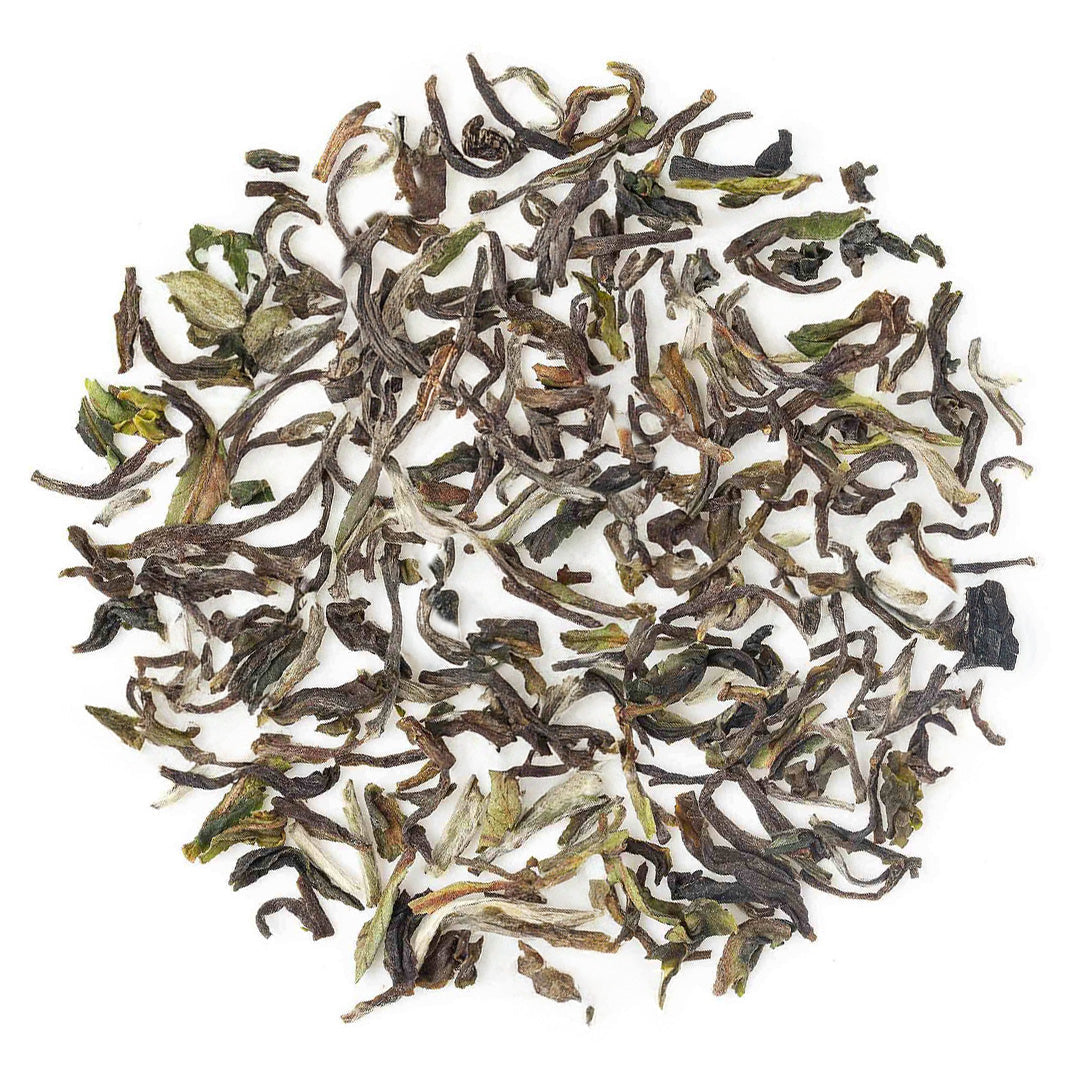
Types of Darjeeling Tea: Black, White, Oolong, Green and the Bushes Behind Them
Most Darjeeling is made as black tea, but the gardens also make green, white and oolong teas from the same bushes.
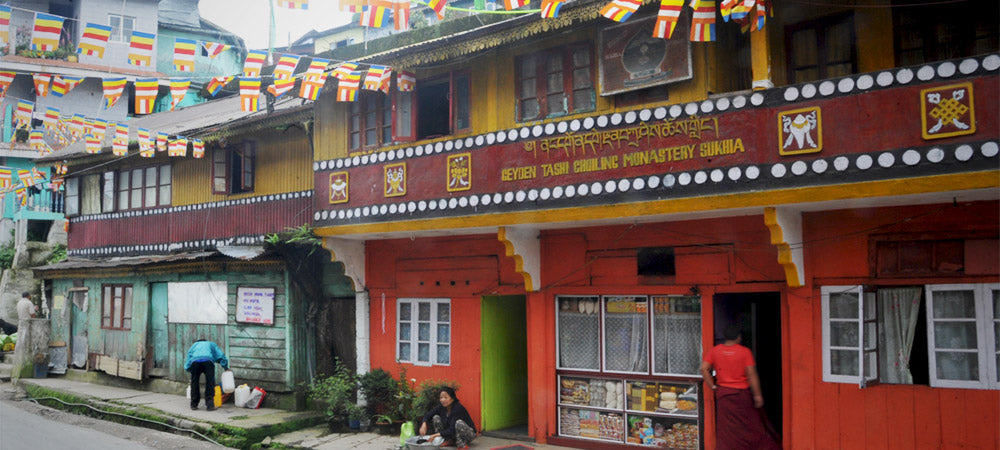
The History of Darjeeling Tea: From Campbell’s Seeds to the GI Tag
Darjeeling’s tea industry began in 1841, when Dr. Archibald Campbell planted China tea seeds in his garden, and the first commercial gardens followed in the early 1850s.
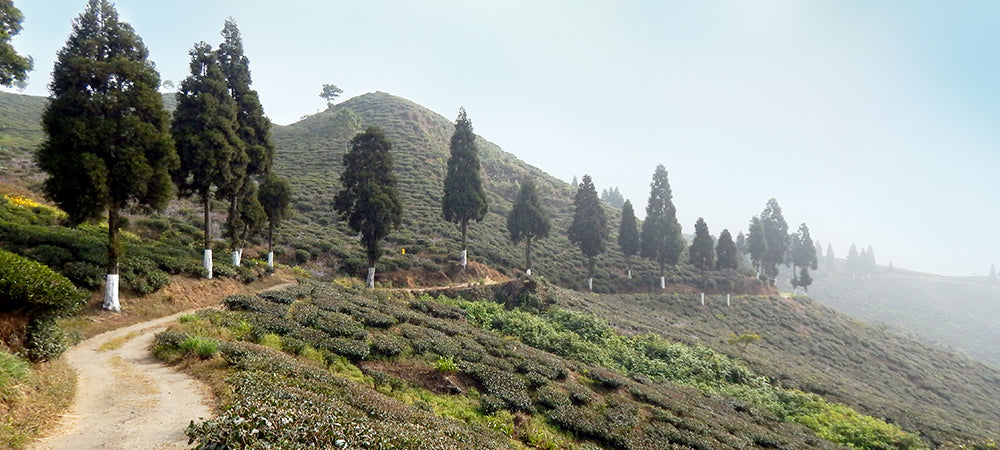
Darjeeling Tea Estates: The Gardens Behind Our Teas
Teabox buys directly from estates across Darjeeling, including Castleton, Margaret’s Hope, Jungpana, Goomtee, Giddapahar, Okayti, Thurbo, Seeyok, Badamtam, Namring and Glenburn.
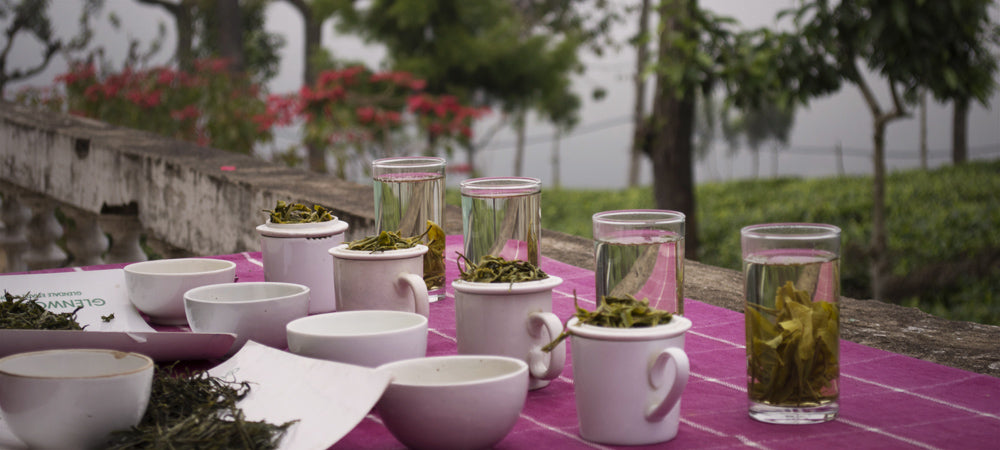
Buying Darjeeling Tea: Record Prices, Buyers and How to Spot the Real Thing
Darjeeling is called the Champagne of teas because, like Champagne, it comes from one small protected region, it changes with every season and estate, and its best lots sell for some of the highest...
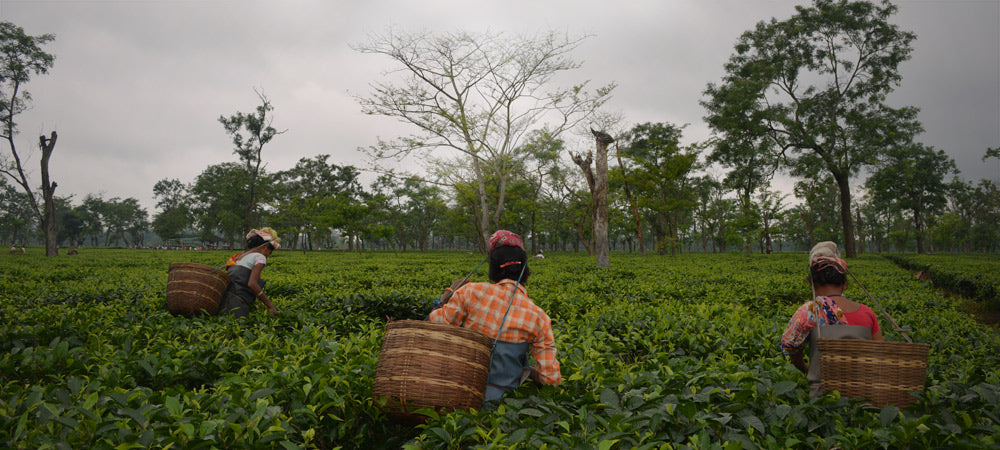
Types of Assam Tea: Orthodox, CTC and Golden Tips
Assam tea comes in two main styles, orthodox whole leaf and CTC, and its best teas are the golden-tipped second flush.
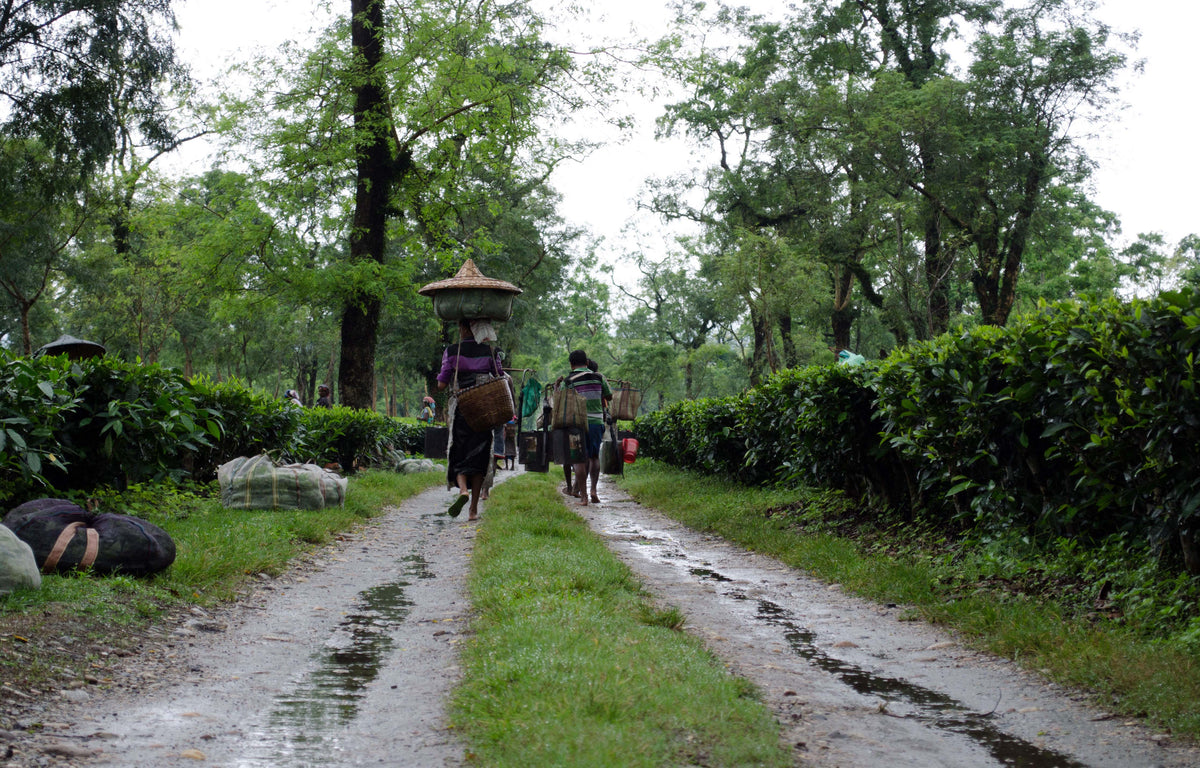
The History of Assam Tea: The Singpho, Robert Bruce and Maniram Dewan
Tea grew wild in Assam, and the Singpho people were brewing it long before the British arrived; the outside world “discovered” it in 1823, when a Singpho chief showed the Scottish trader Robert Bru...
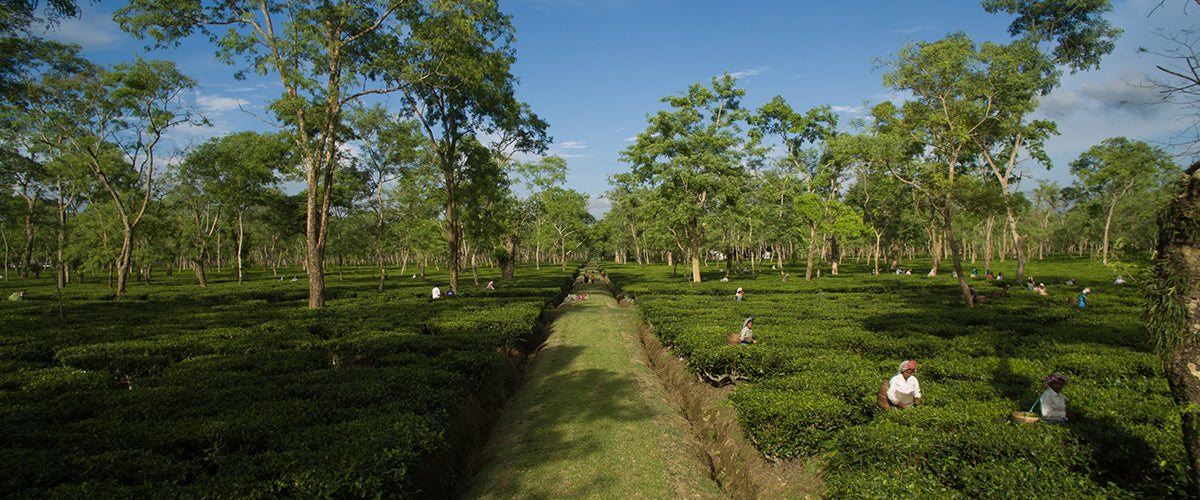
Assam Tea Estates: The Gardens Behind Our Teas
Teabox buys Assam tea directly from single estates, including Halmari, Mangalam, Dikom, Namsang, Harmutty, Doomni, Meleng, Chota Tingrai, Singlijan, Banaspaty, Koilamari, Dejoo, Dinjoye and Chardwar.
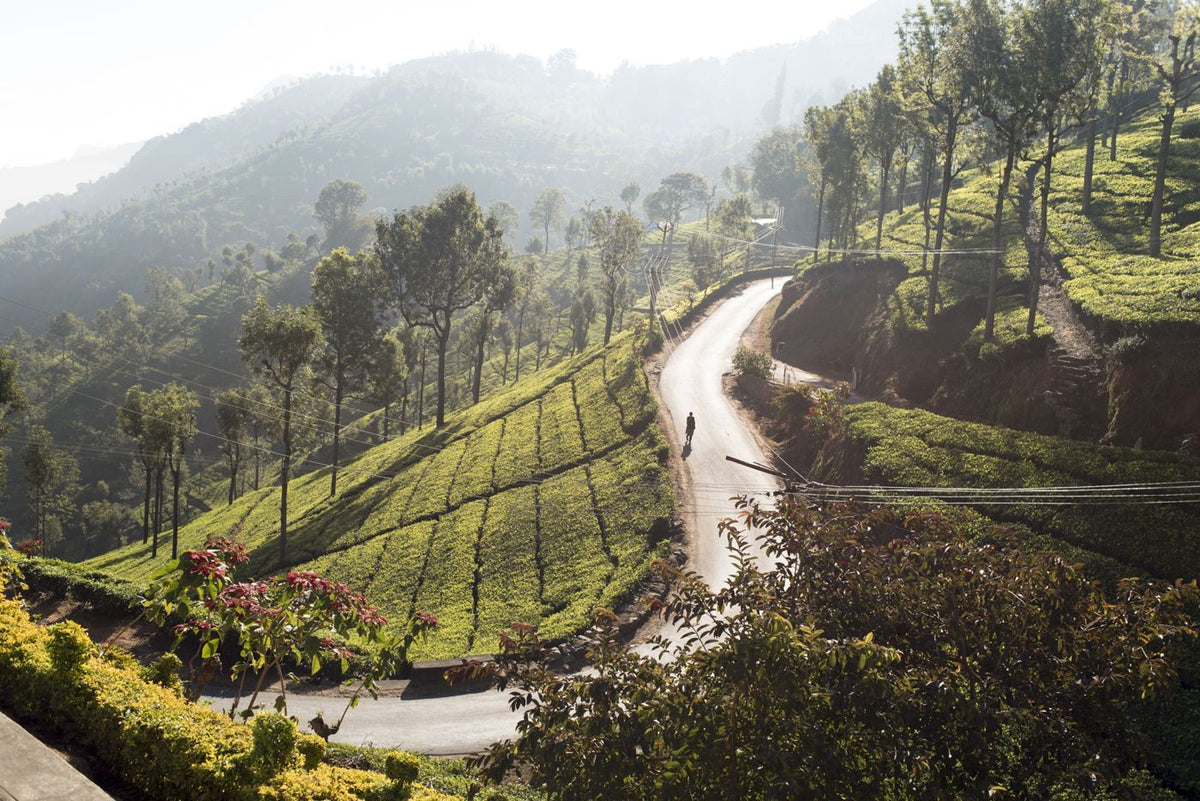
Nilgiri Tea: A Guide to Nilgiri Black Tea, Frost Teas and the Estates of the Blue Mountains
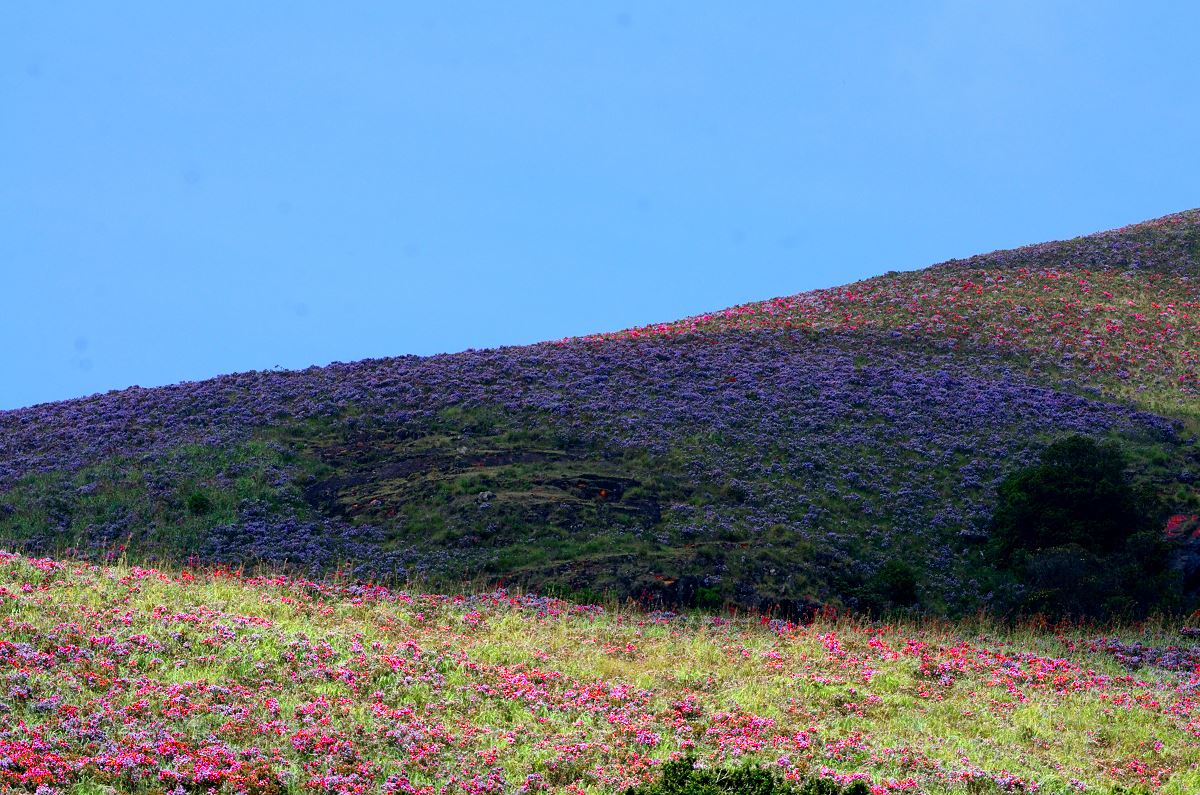
Nilgiri tea is tea grown in the Nilgiri hills of Tamil Nadu, in southern India, on slopes from about 1,000 to 2,500 meters.
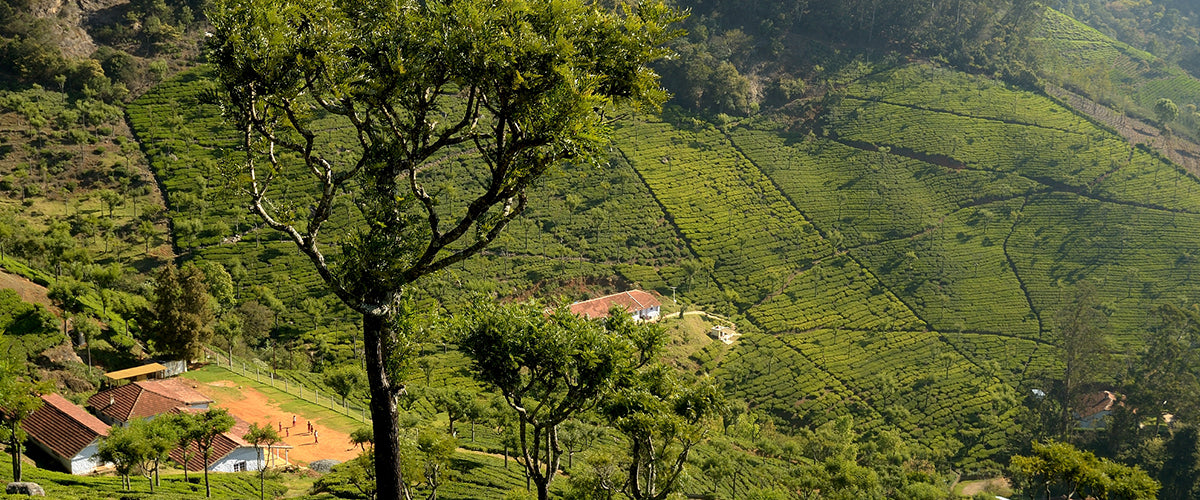
Who Grows Nilgiri Tea? Smallholders, Estate Workers and the People of the Blue Mountains
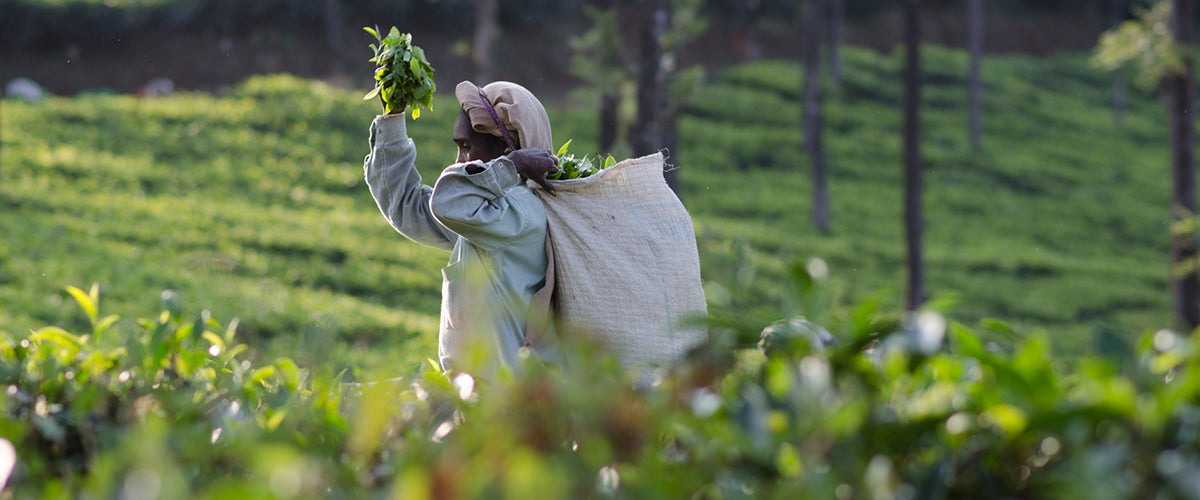
Unlike Darjeeling, most Nilgiri tea comes from small farms. Badaga farmers with a hectare or less grow most of the leaf, a cooperative helps them process and sell it, and on the big estates the wor...
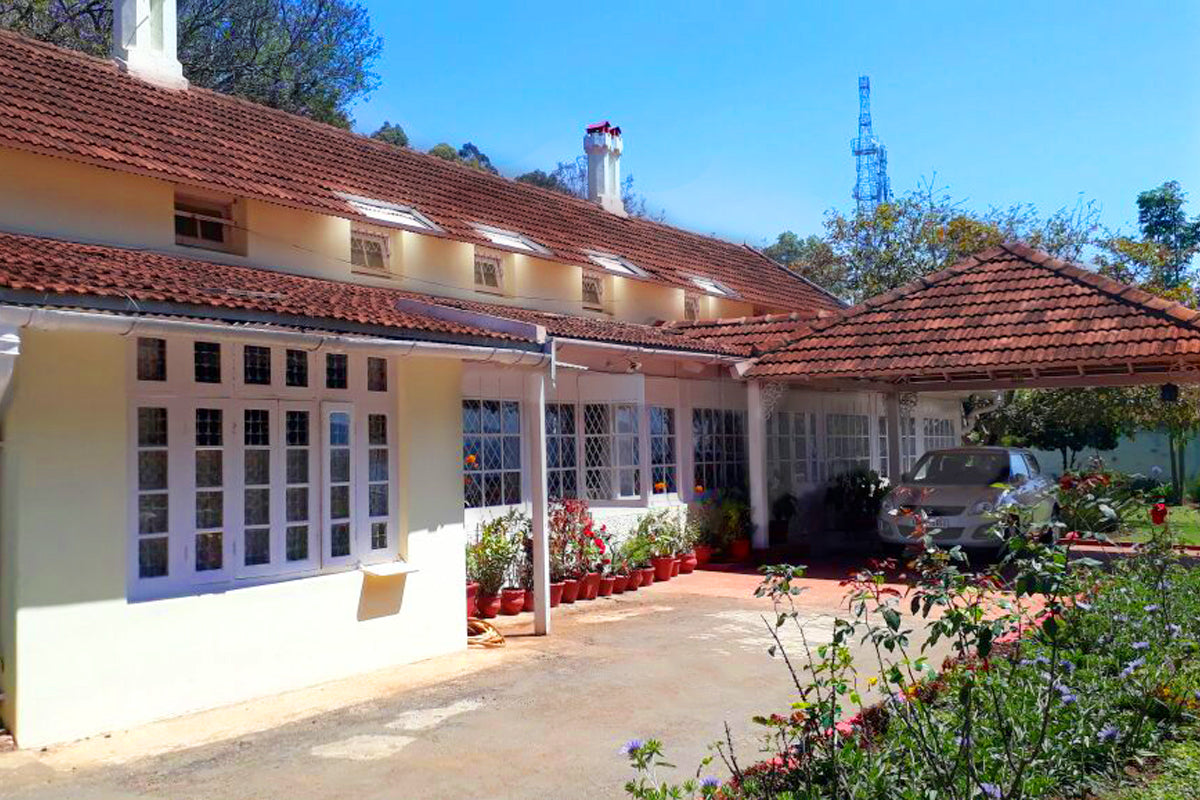
The History of Nilgiri Tea: From the Ketti Valley to Mincing Lane
Tea came to the Nilgiris in the 1830s, when British officials began experimenting with China seed in the cool hills, and the first lasting estates were planted in the 1850s.
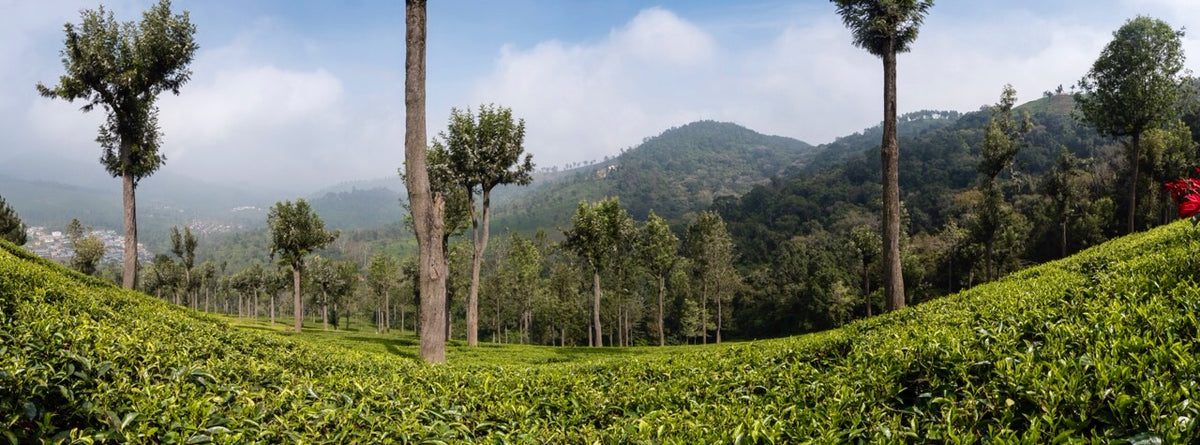
The Nilgiri Tea Estates: Glendale, Havukal, Craigmore and the Gardens of the Blue Mountains
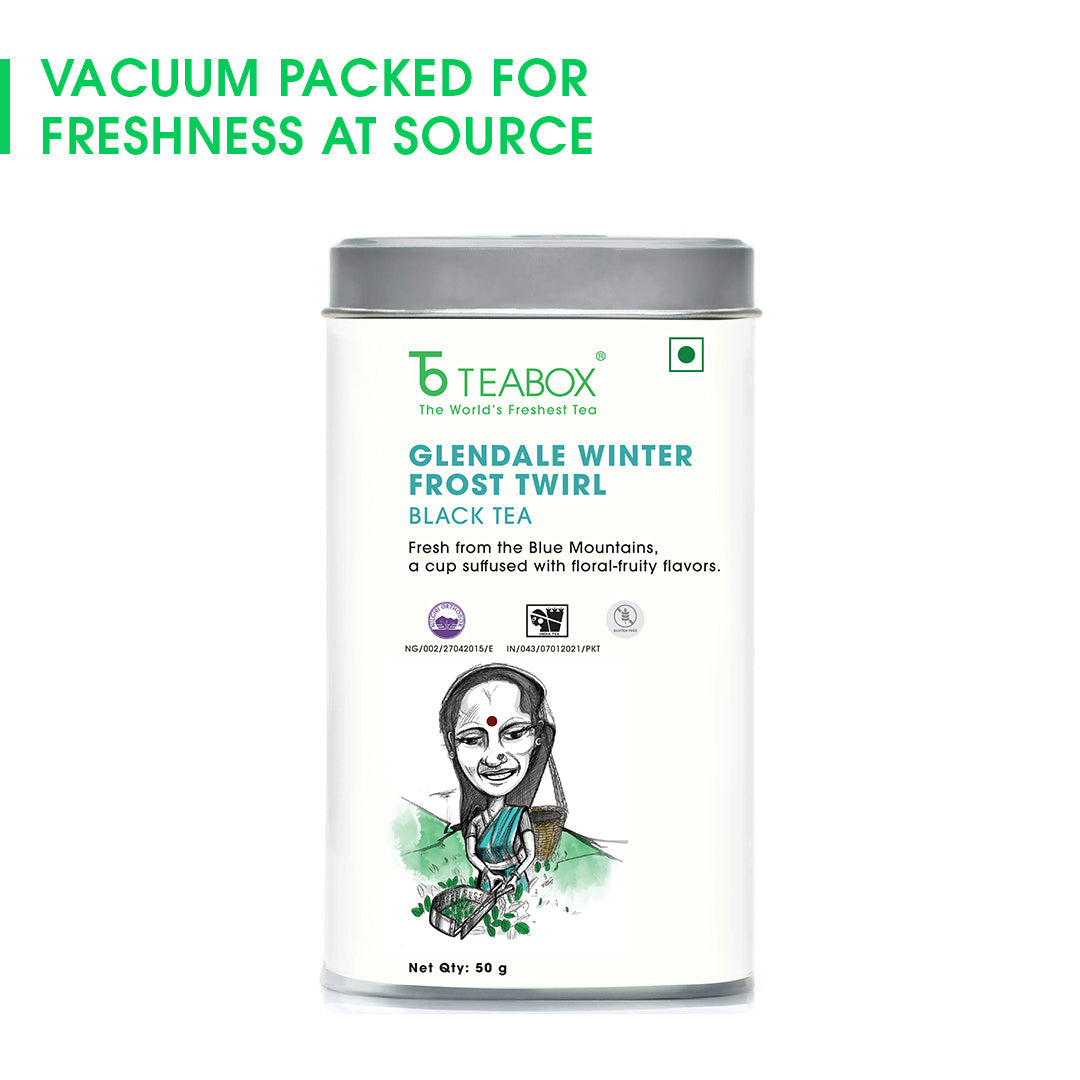
Teabox currently buys from Glendale, Havukal, Korakundah and Billimalai. This page follows those four and the other gardens our buyers know well, from Craigmore’s protected forest to the government...
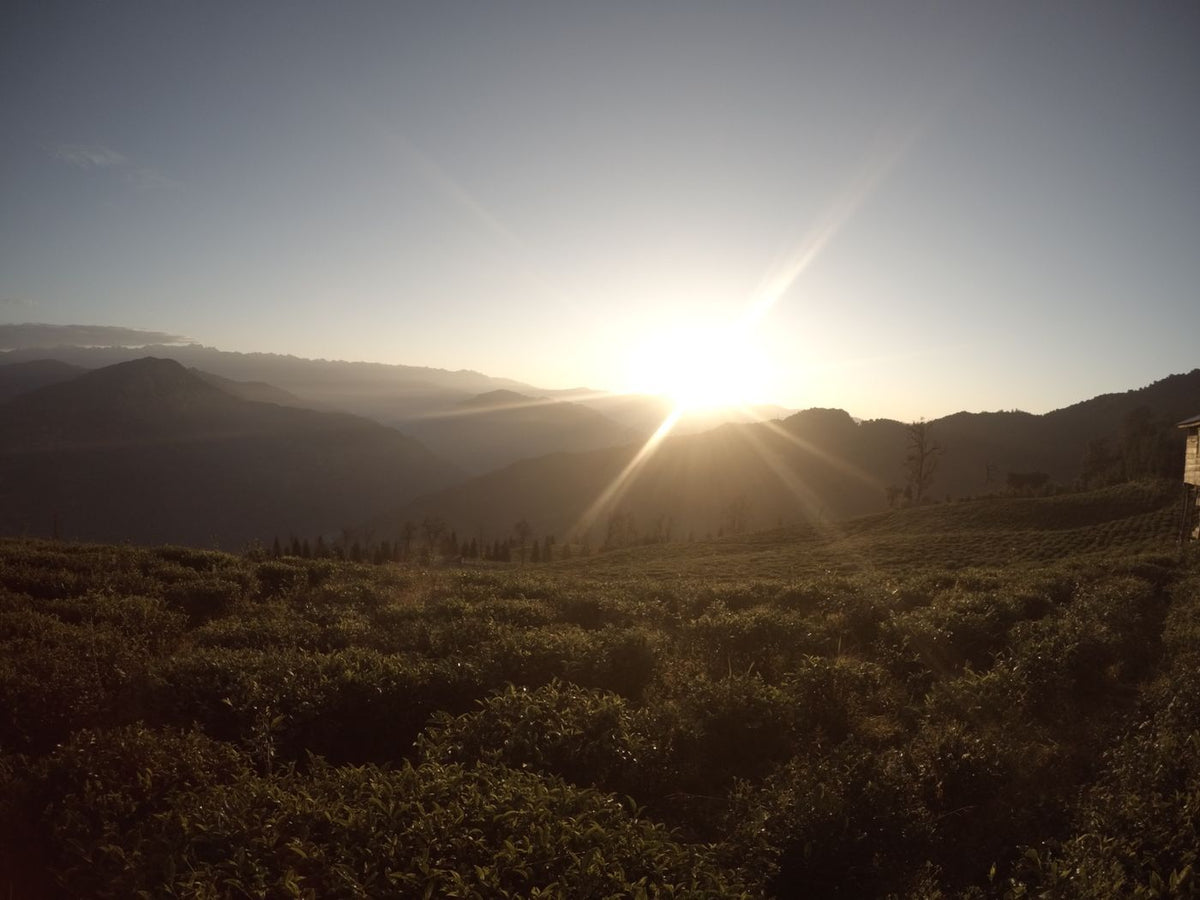
Sikkim Tea and the Temi Tea Garden: India’s Organic Himalayan Tea
Sikkim tea is tea grown in the small Himalayan state of Sikkim, India, and most of it comes from one famous garden: Temi, set up by the Government of Sikkim in 1969 and farmed organically since 2005.
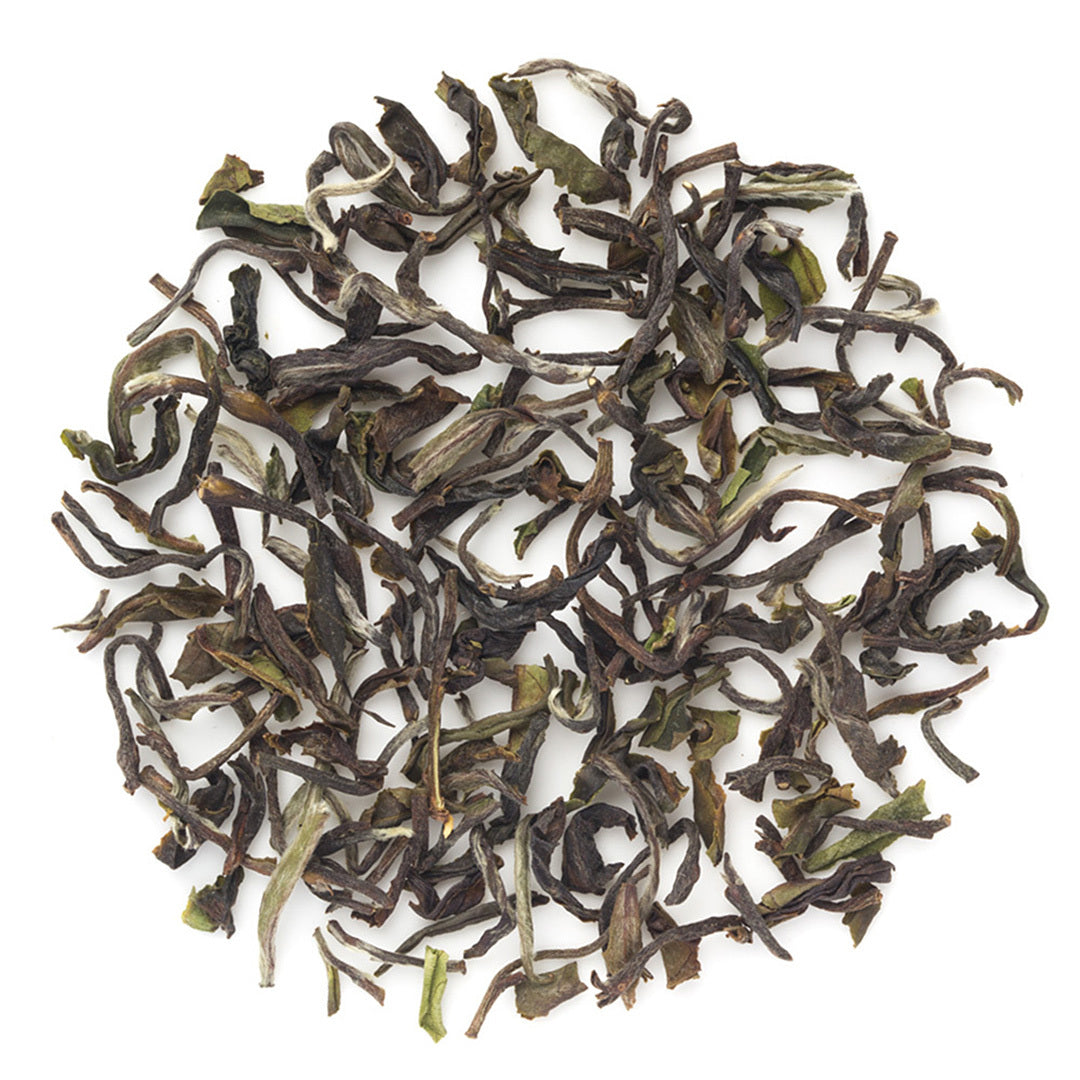
The Temi Tea Garden: How a King Gave Sikkim Its Tea
Unlike the colonial gardens of Darjeeling, Assam and the Nilgiris, Temi was the idea of a Himalayan king, and it was set up by the Government of Sikkim.
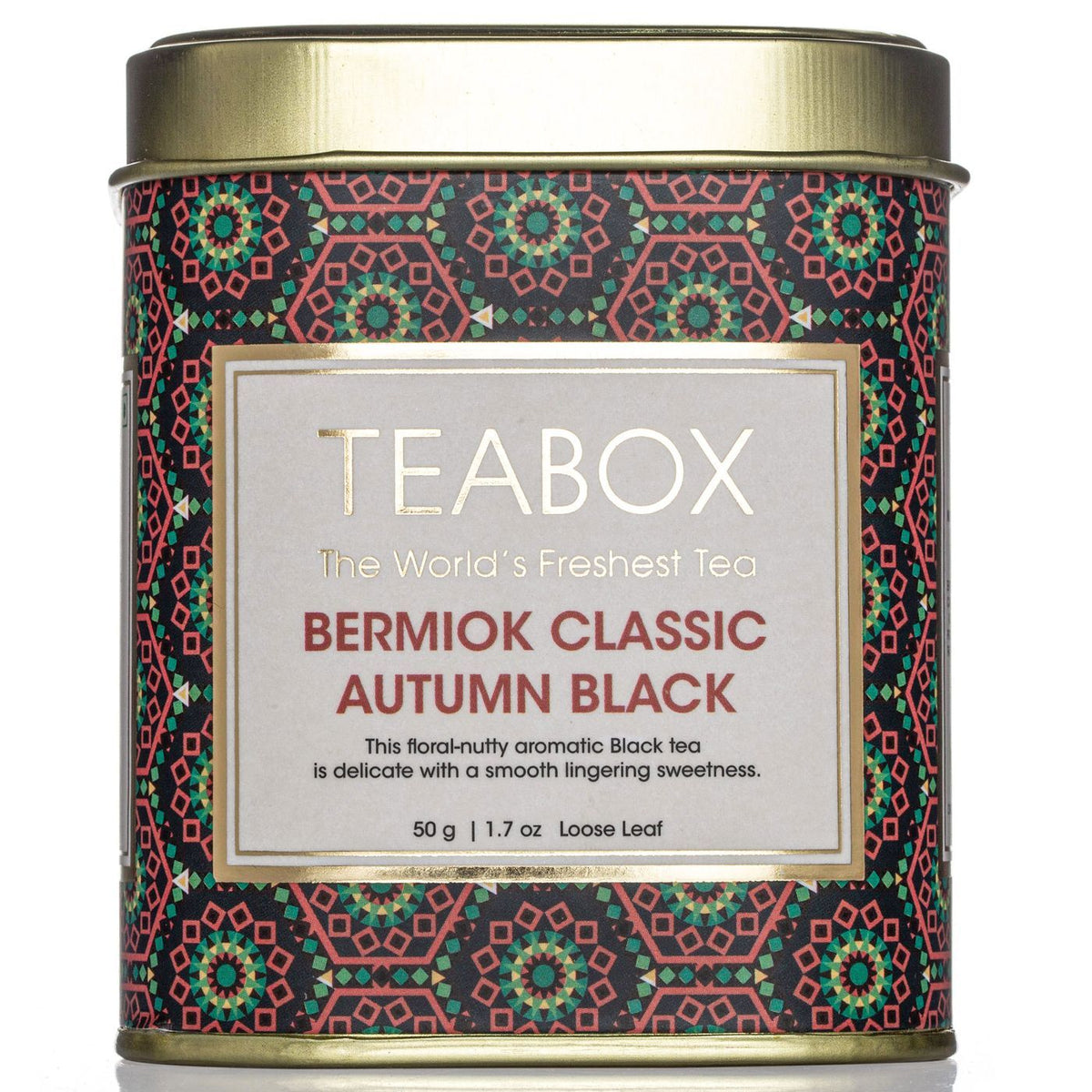
Bermiok: Sikkim’s Boutique Tea Garden and the People Behind It
Temi is no longer alone: smaller boutique gardens have been planted in Sikkim since the turn of the century, and the best known of them is Bermiok.

Meghalaya Tea: India’s Young Tea Region and the Lakyrsiew Garden near Shillong
Meghalaya tea is tea grown in the hills of Meghalaya, the small state just south of Assam in northeast India, where tea was only planted in earnest from the 1970s.
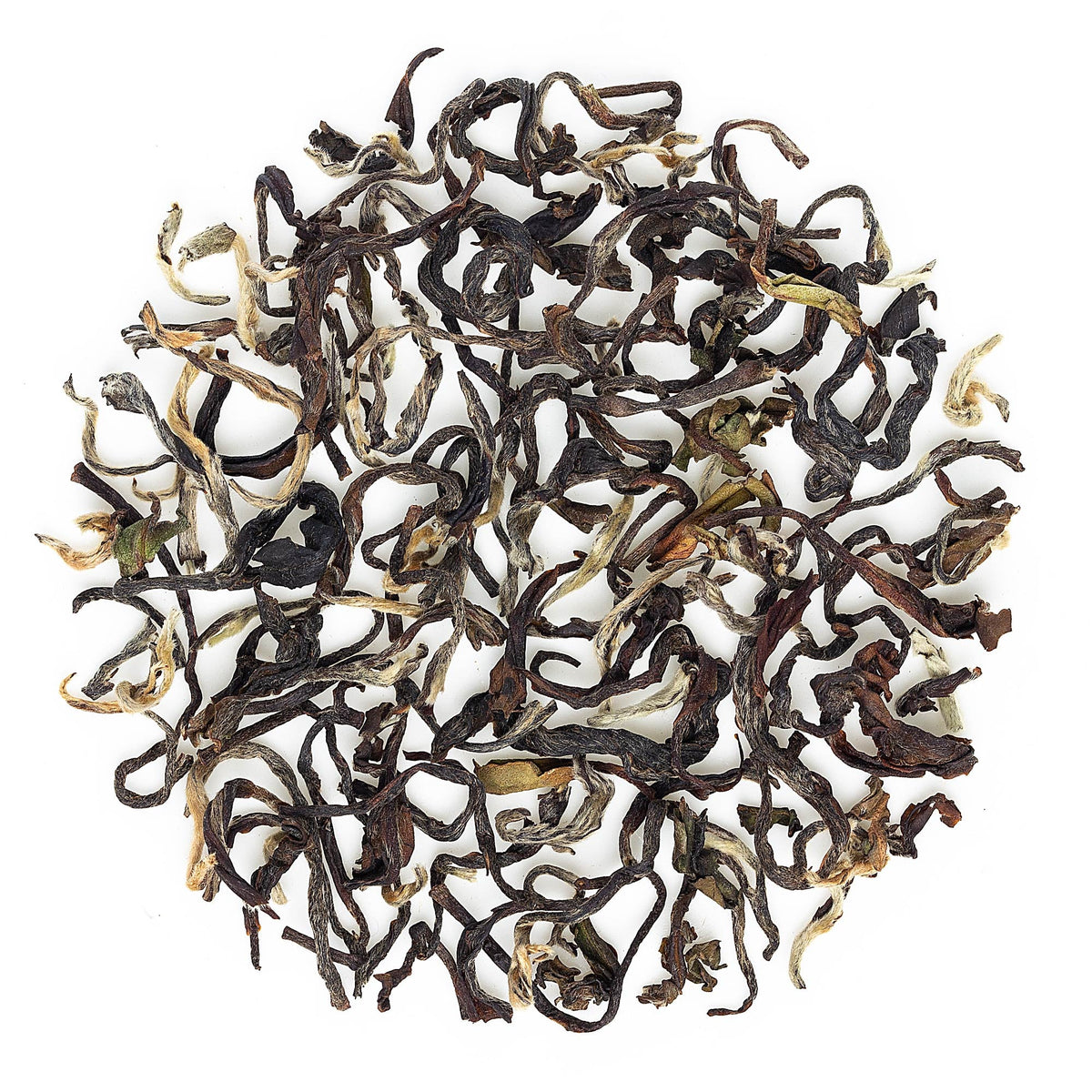
History of Meghalaya Tea: From a Forgotten Report to the 1970s Survey
Tea came to Meghalaya late: the British judged the Shillong plateau ideal for tea in the 19th century but never planted it, and commercial tea arrived only after the Tea Board of India surveyed the...
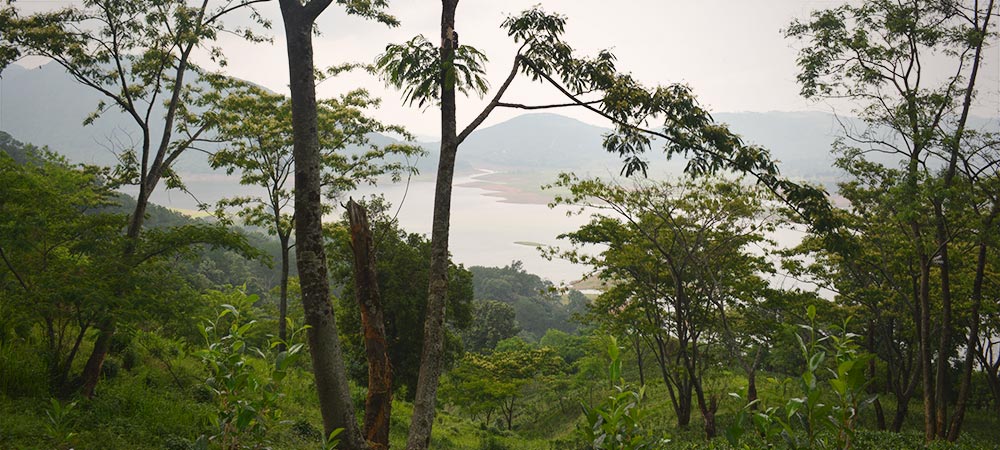
The Lakyrsiew Tea Estate: Meghalaya’s Boutique Garden on Umiam Lake
Lakyrsiew (also written LaKyrsiew or La Kyrsiew) is a small boutique tea garden near Shillong, and the source of both Meghalaya teas we sell.

Kangra Tea: The Himalayan Valley Tea That Fell and Rose Again
Kangra tea is tea grown in the Kangra valley of Himachal Pradesh, in north India, below the snow peaks of the Dhauladhar range.
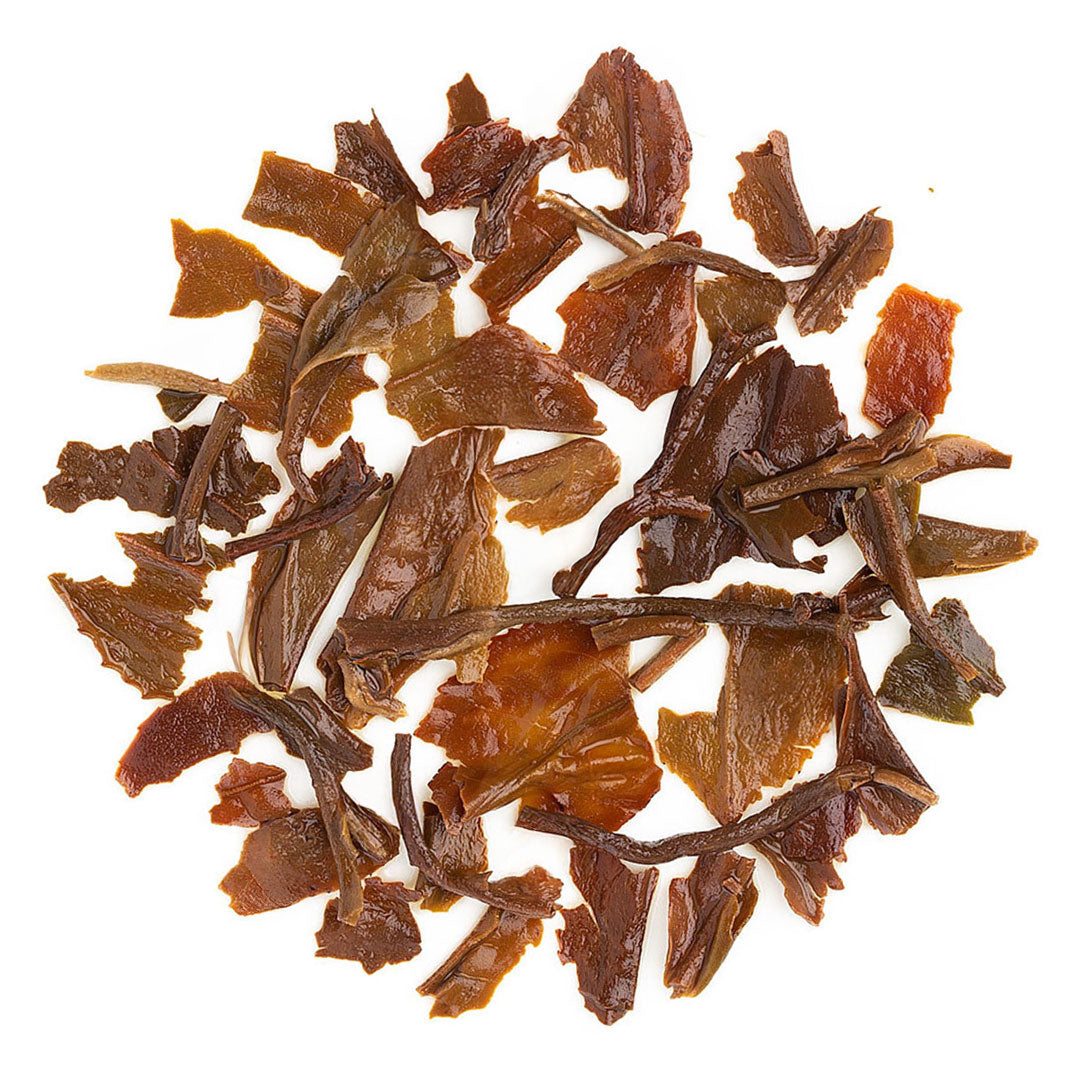
The History of Kangra Tea: Rise, Fall and Revival
Kangra tea began in 1852, grew into one of British India’s most admired teas, collapsed after the great earthquake of 1905, survived for decades on handmade green tea, and has been slowly revived s...
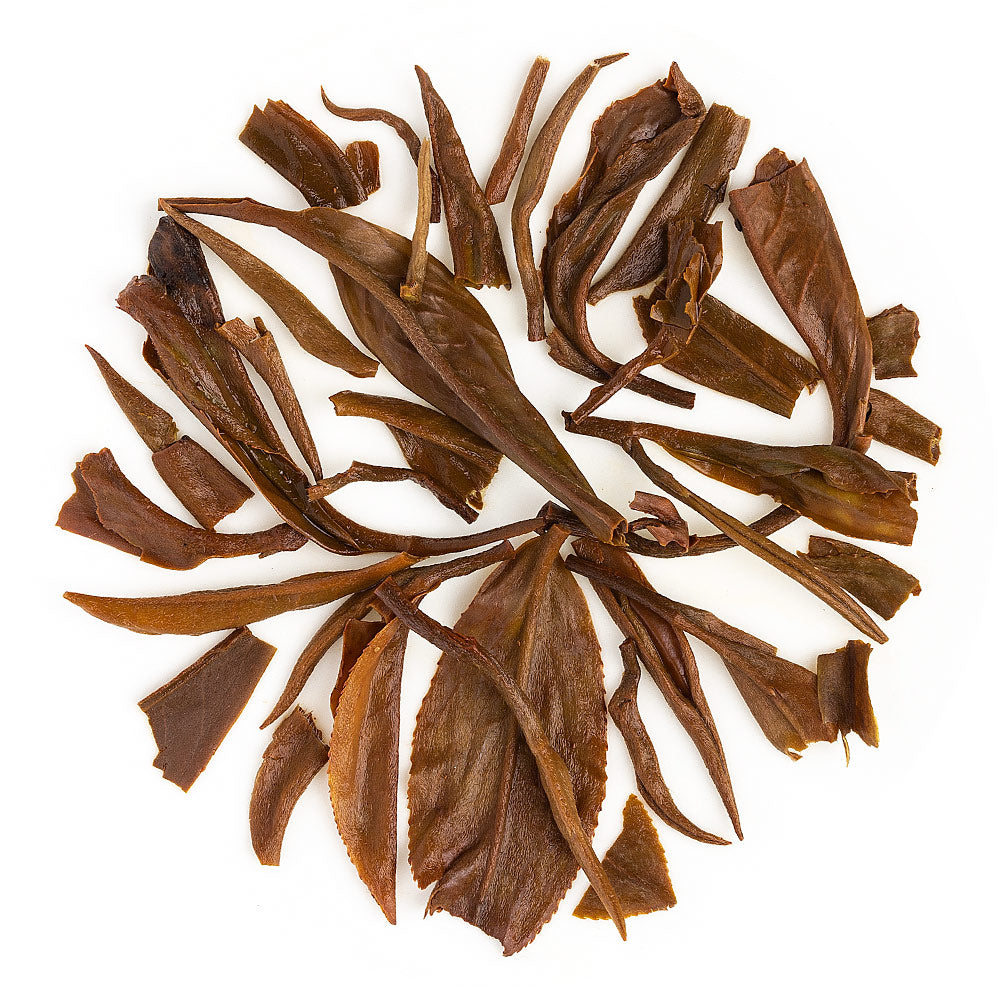
Kangra Black, Green, Oolong and White Teas
Kangra makes all four of the main tea types, from the same old China and China-hybrid bushes.
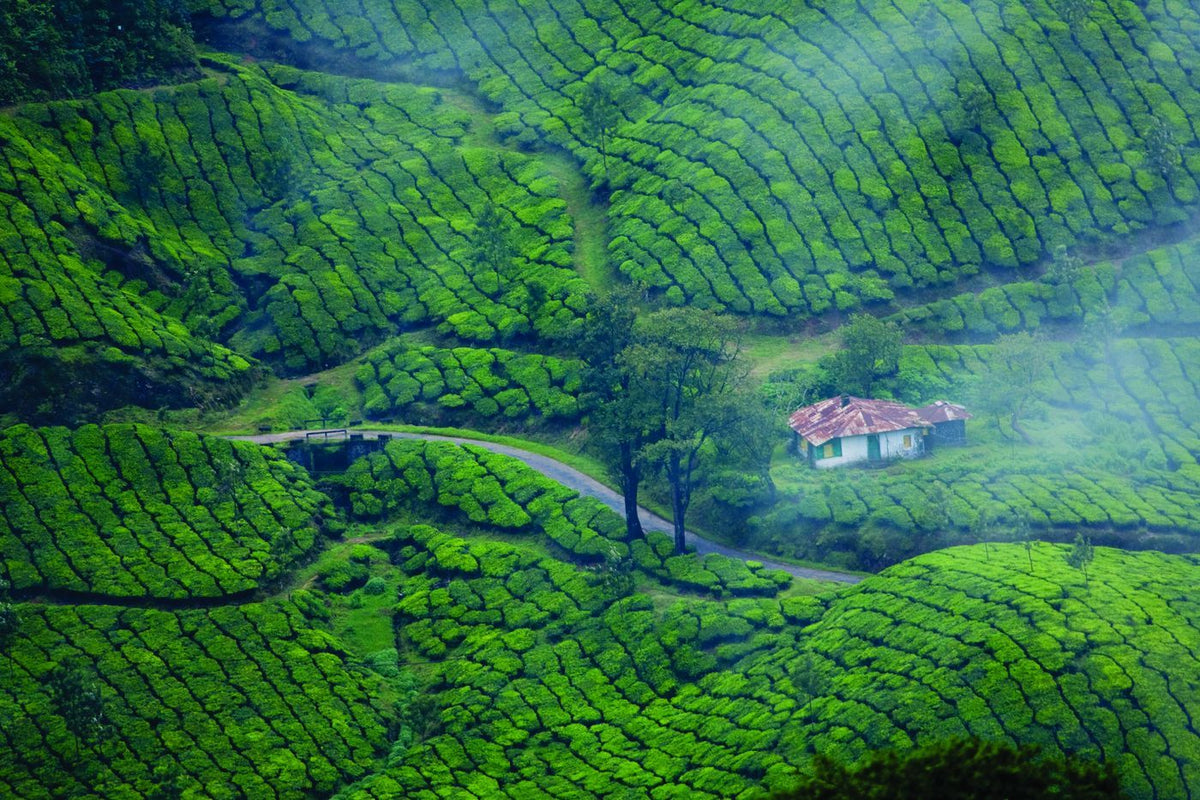
Munnar Tea: A Guide to Kerala Tea from the High Range
Munnar tea is tea, mostly black, grown in the Kannan Devan hills around Munnar, a hill town about 1,500 m up in the Western Ghats of Kerala, south India.
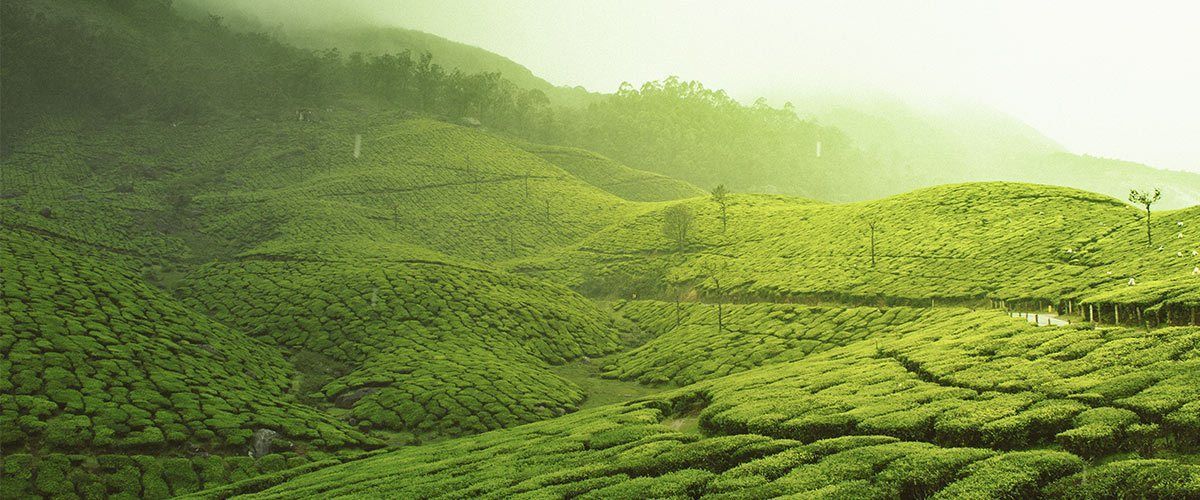
History of Munnar Tea: How Tea Came to the High Range
In the 19th century Munnar was part of the kingdom of Travancore, and its tea story begins with a lease of 1877 and a first planting in 1880.
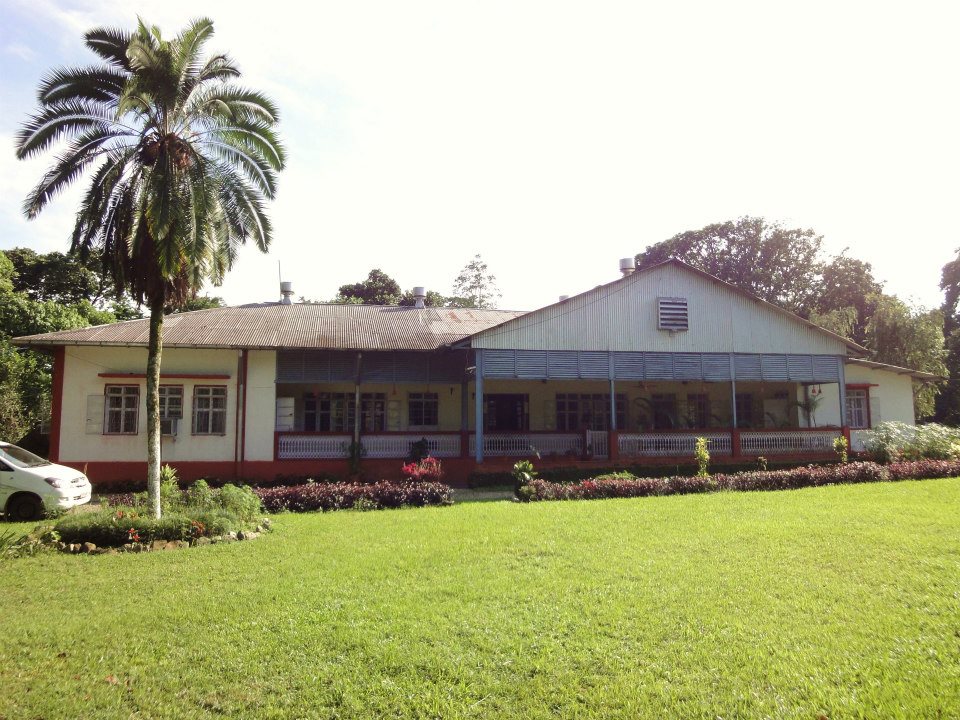
Famous Tea Estates of India: Darjeeling and Assam Gardens, and Where Their Names Come From
India’s most famous tea estates are single gardens, each with its own name, history and style, such as Castleton, Margaret’s Hope and Jungpana in Darjeeling, and Halmari, Namsang and Dikom in Assam.
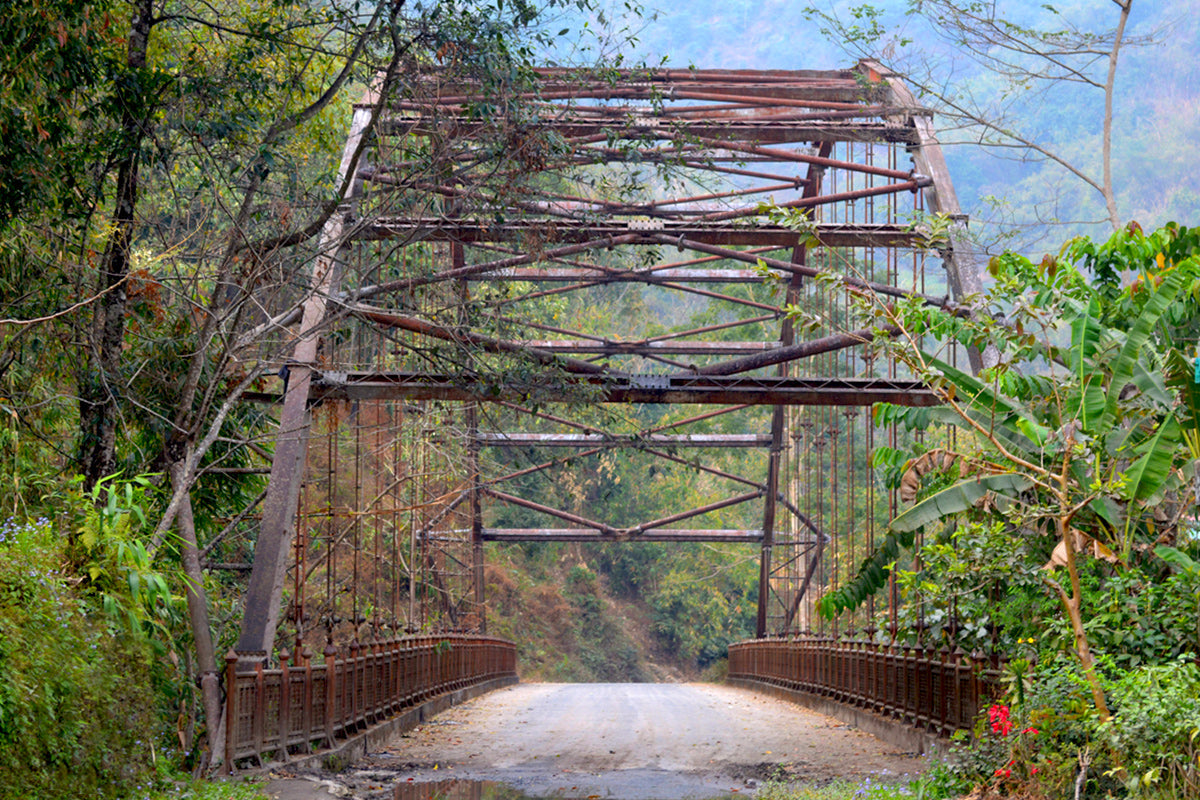
Famous Darjeeling Tea Estates: Castleton, Margaret’s Hope, Jungpana, Goomtee and More
Darjeeling has 87 registered gardens; the most famous include Castleton, Margaret’s Hope, Jungpana, Goomtee, Giddapahar, Makaibari, Namring, Okayti, Thurbo, Seeyok, Badamtam, Puttabong and Glenburn.
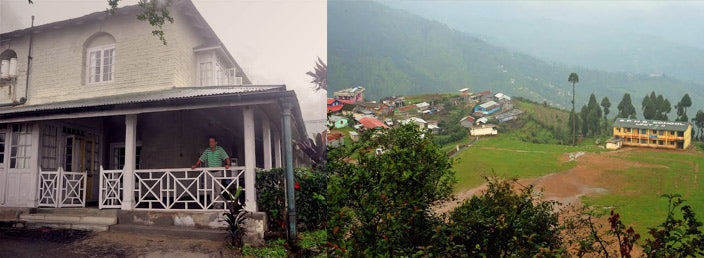
Where Indian Tea Estate Names Come From: Okayti, Jungpana, Dikom and More
Most Indian tea estate names come from local words, Lepcha, Nepali, Assamese, Bodo-Kachari or Khasi, from the British planters and their families, or from a local legend.
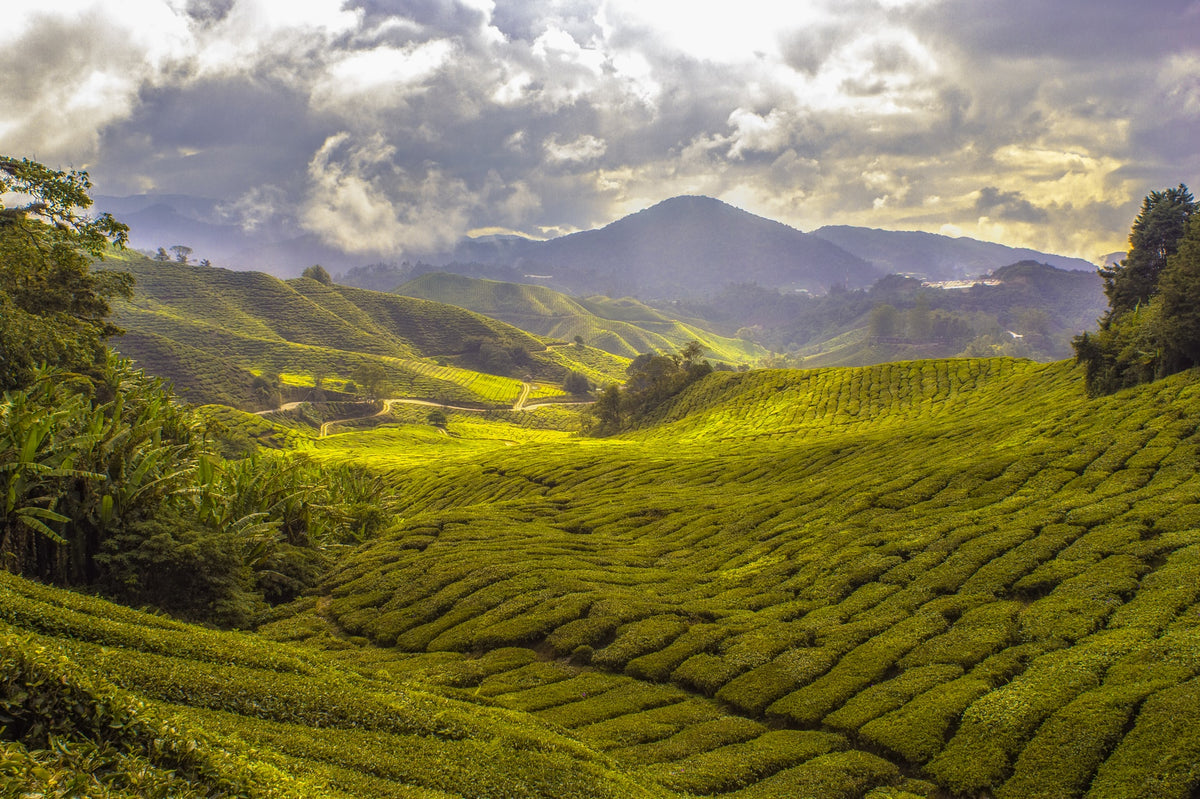
Tea is grown in warm, wet tropical and subtropical regions, and China is the largest tea producer in the world, with India second and Kenya third.
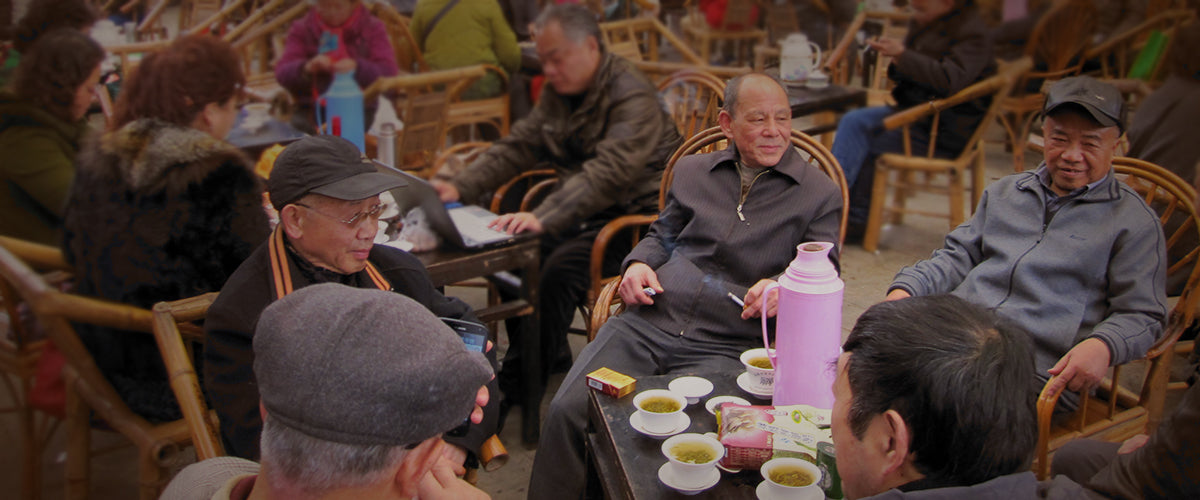
Tea in China, Japan and Taiwan: East Asia’s Great Tea Countries
China is the largest tea producer in the world and the country where tea drinking began, and it makes every type of tea, from green and white to oolong, black and pu-erh.
Kenya, Sri Lanka and Beyond: More of the World’s Tea Producing Countries
Beyond the big names, tea is an important crop in Turkey, Indonesia, Vietnam, Iran and Argentina, and smaller amounts are grown as far away as Australia.
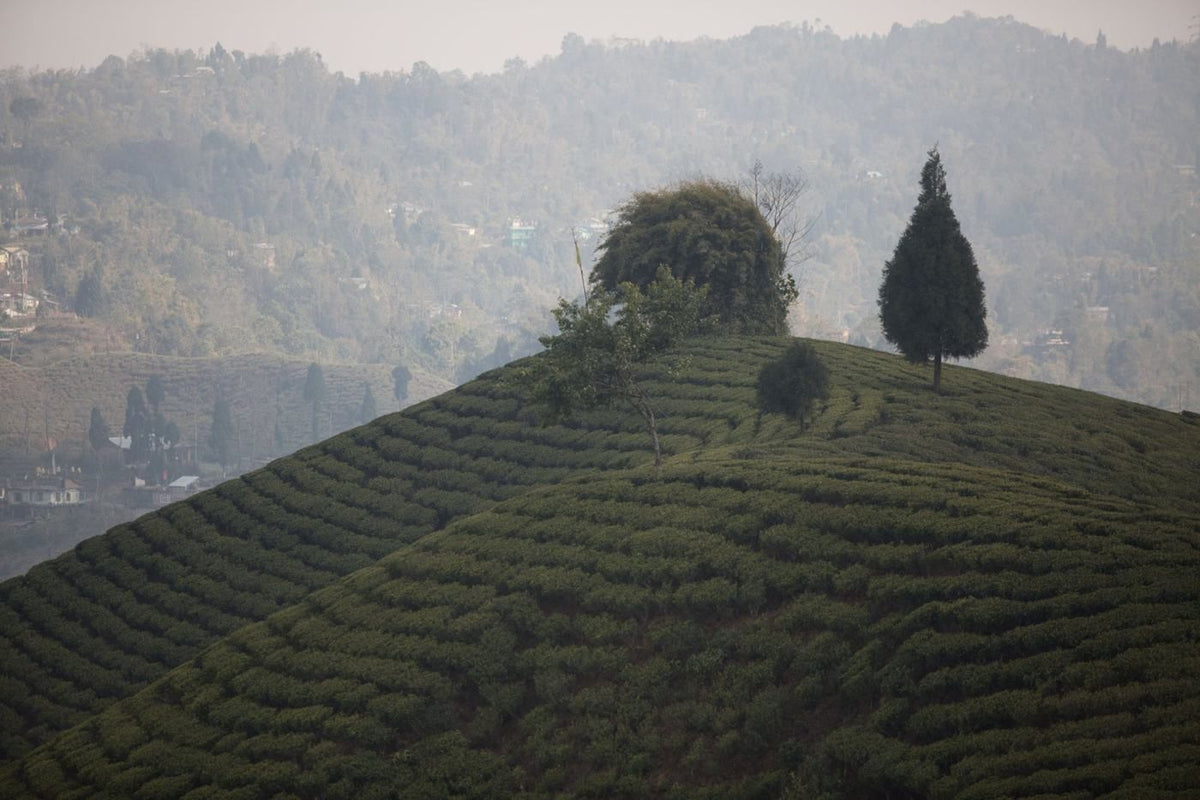
Nepal Tea: Ilam, the Eastern Hills and Darjeeling’s Himalayan Neighbor
Nepal tea is tea grown in Nepal, mostly in the eastern hill districts of Ilam, Panchthar, Dhankuta and Terhathum, right across the border from Darjeeling.
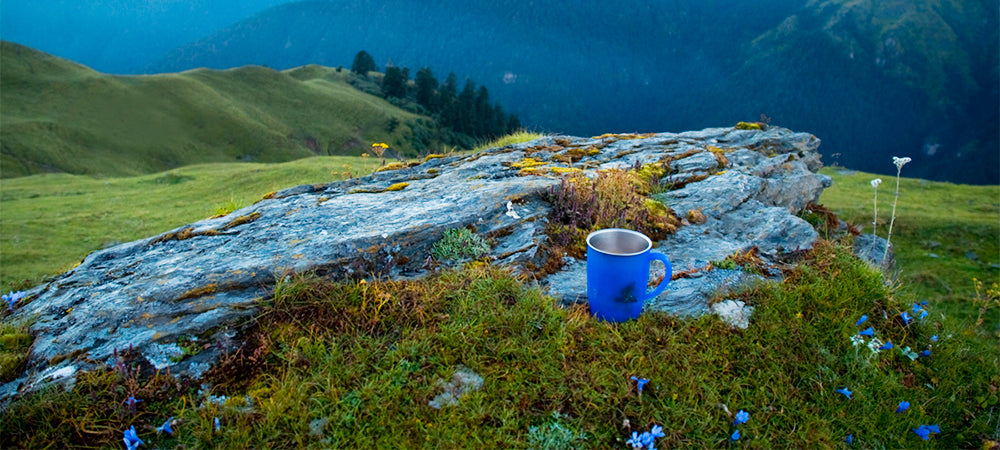
The History of Nepal Tea: From Ilam’s First Garden to the Himalayan Label
Tea came to Nepal in the 1860s: the first garden was planted at Ilam in 1863, with a second at Soktim two years later.
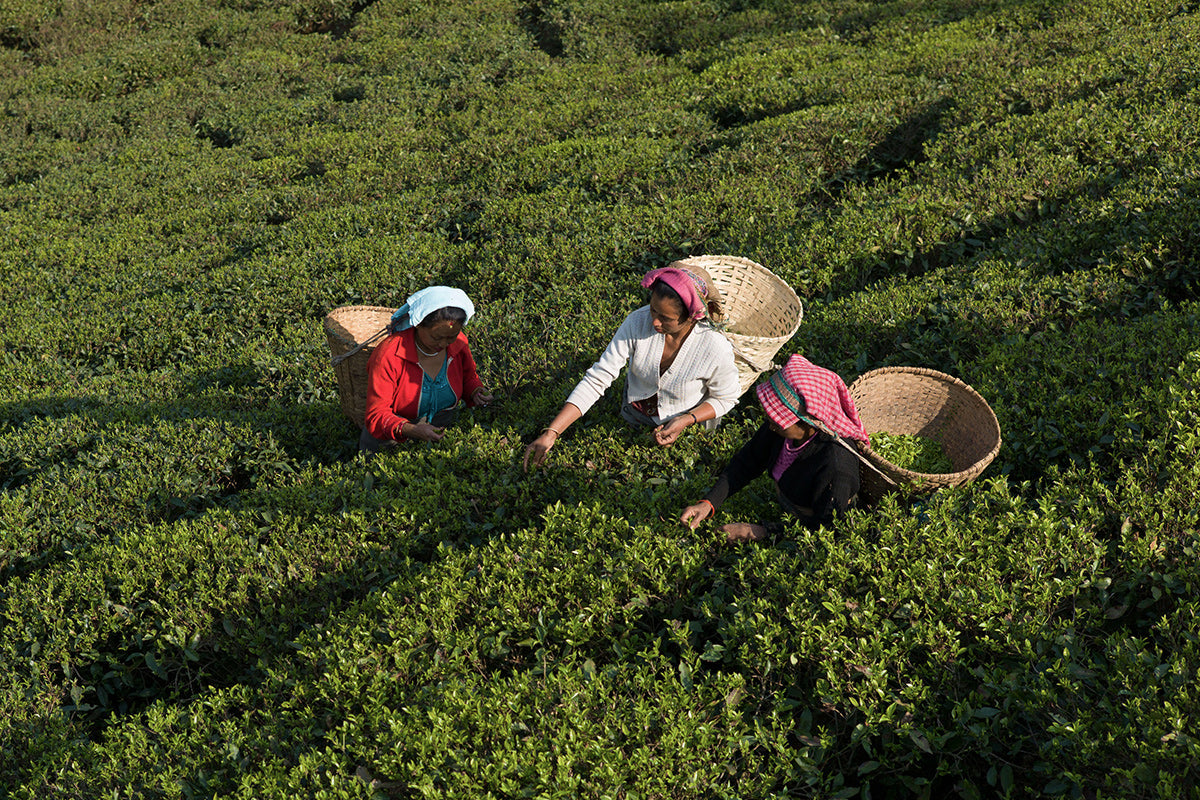
Nepal Tea vs Darjeeling Tea: Same Hills, Different Names
Nepal tea and Darjeeling tea grow in the same stretch of the Himalaya and taste alike, but Darjeeling tea comes only from registered gardens in the Darjeeling hills of India, and the name is legall...
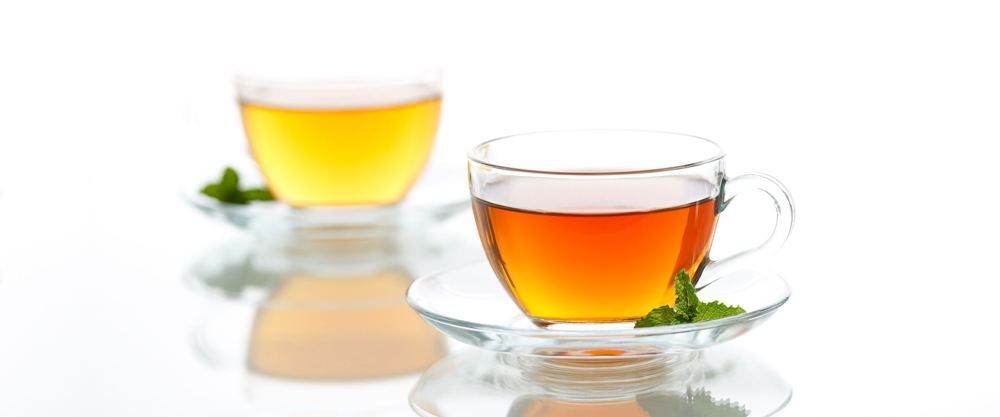
Indian vs Chinese Tea: What’s the Difference Between Them?
Indian and Chinese teas come from the same plant, Camellia sinensis, but mostly from two different varieties of it and two very different traditions.

How Tea Came to India from China: Wild Assam Tea, Chinese Seed and the Two Tea Camps
China has grown and drunk tea for thousands of years; India’s tea industry is less than two centuries old, built by the British in the 1830s to break China’s hold on the tea trade.
Indian vs Chinese Tea, Type by Type: Green, White, Black and Oolong Compared
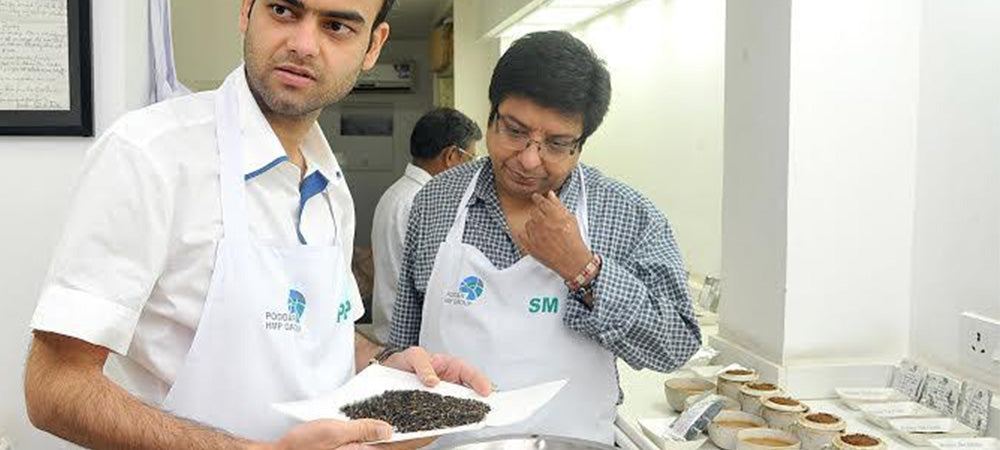
Type by type, Chinese teas tend to be softer and more mellow, and Indian teas more intense and fragrant, with black tea the style where India shines.

Tea Certifications Explained: USDA Organic, Fairtrade, Rainforest Alliance and GI Tags
Tea certifications are independent checks that a tea was grown, traded or labeled to a published standard.
Organic Tea Certification: USDA Organic, India Organic and Biodynamic Tea
Organic tea certification confirms that a farm and the units that process and pack its tea follow an organic standard, which bans most synthetic pesticides and fertilizers and sets rules for soil, ...
Other Tea Certifications: ISO, Trustea, the Ethical Tea Partnership and Elephant Friendly
Beyond the big four, tea estates may hold food-safety and quality certificates (ISO 22000, ISO 9001), farm-practice standards (Global G.A.P.), worker programs (the Ethical Tea Partnership) and wild...
Certified Teas at Teabox: Organic, Fair Trade and Rainforest Alliance Estates
In our product data in October 2026, 43 active Teabox teas list at least one certification held by their estate: 38 list Rainforest Alliance, 24 the Ethical Tea Partnership, 10 USDA Organic and 5 F...